Tag Archives: EV

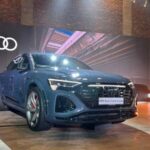
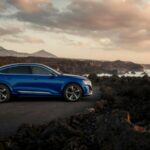
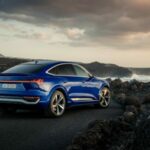
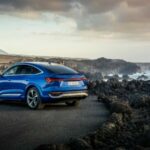
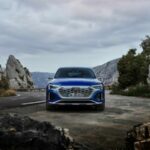
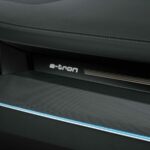
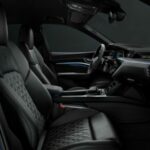
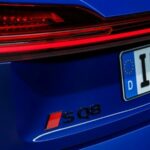
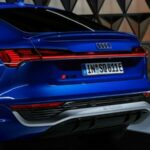
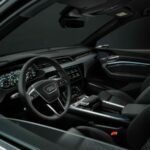
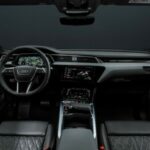
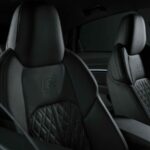
Audi SQ8 e-tron and SQ8 Sportback e-tron unveiled in Malaysia, first EV with three motor setup

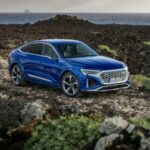
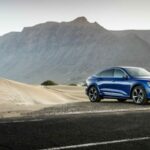
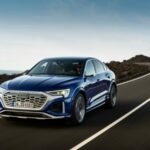
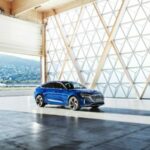
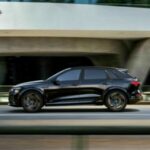
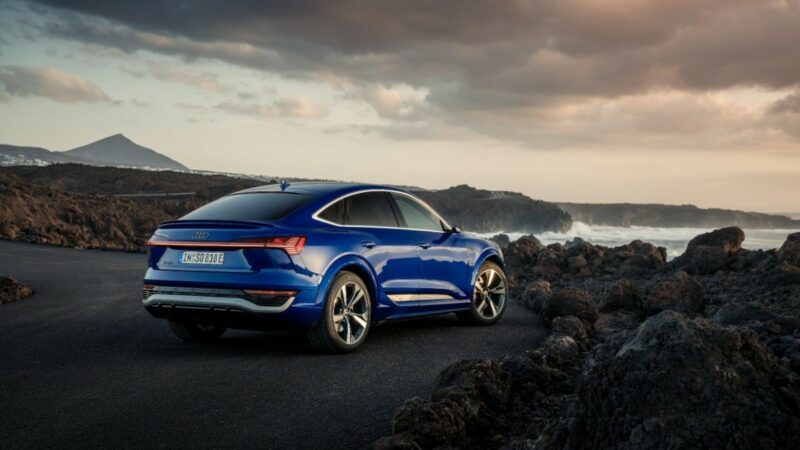
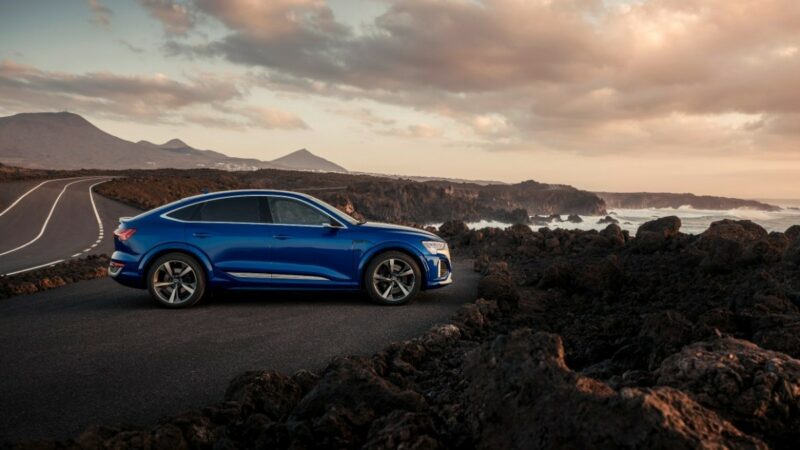
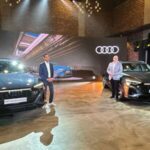
PHS Automotive Malaysia (PHSAM) today launched two new electric (EV) models for the Malaysian market, namely the Audi SQ8 e-tron and SQ8 Sportback e-tron. Both models are distinguished by their body shapes, with the Sportback being the more sporty coupe version.
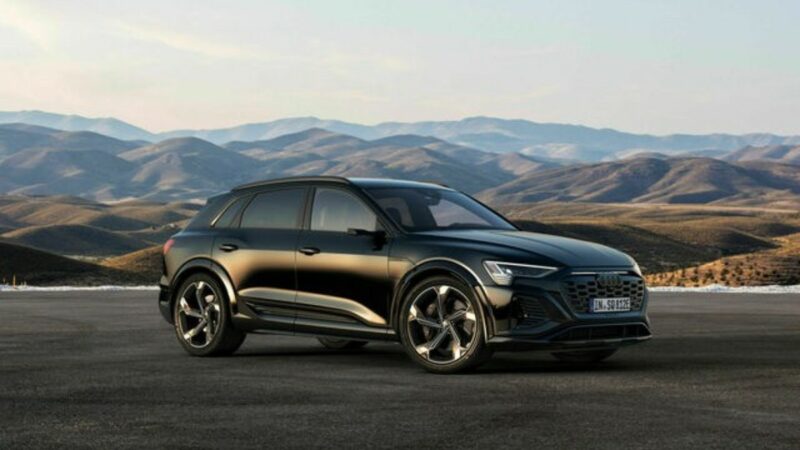
The Audi SQ8 e-tron is offered at a starting price of RM519,990, while the SQ8 Sportback e-tron is priced at RM529,990.
Three electric motors

The Audi SQ8 e-tron becomes the first officially introduced EV model in Malaysia with a three-electric motor setup – one at the front axle and two at the rear. These three electric motors are asynchronous, operating independently.
The front motor generates 166hp, while each of the rear motors produces 131hp. The total output for the SQ8 e-tron reaches 496hp and 973Nm of torque.

This allows the heavy SUV EV to accelerate to 100km/h in just 4.5 seconds, with a maximum speed of 210km/h.
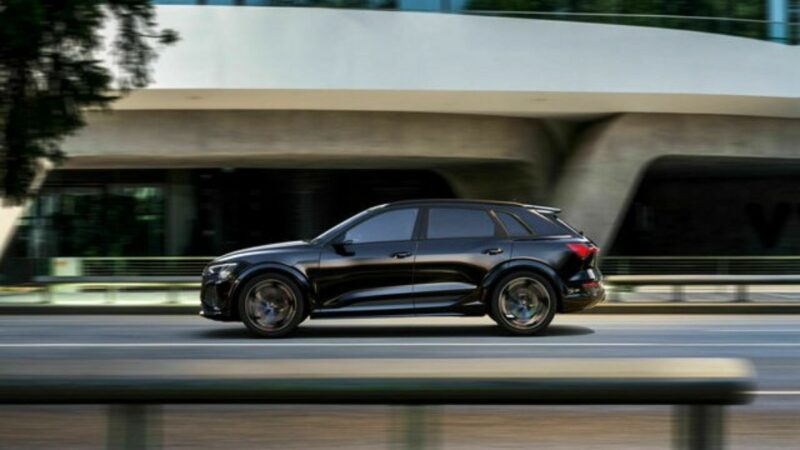
The two independent rear electric motors are used to precisely distribute power based on driving conditions such as uneven roads or corners.

Charging
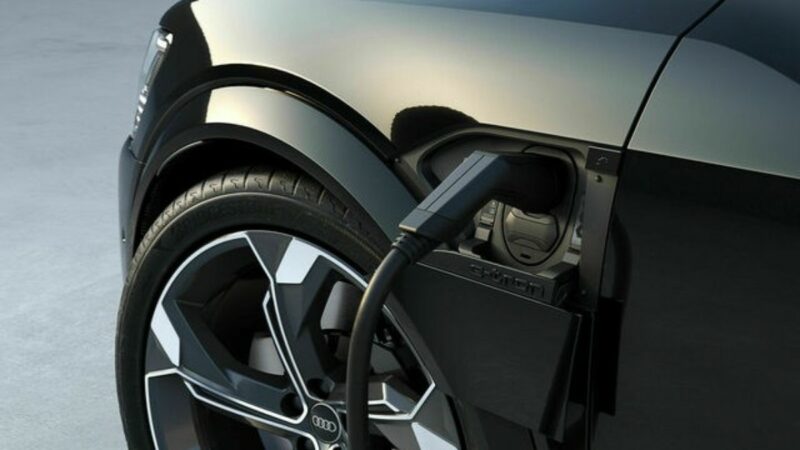
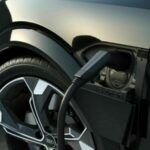
The Audi SQ8 e-tron and SQ8 Sportback e-tron can be charged up to 170kW for DC, enabling the battery to reach from 10 to 80 percent in just 31 minutes. With a full charge, this SUV can be driven for up to 471km.

For AC charging, it uses a 22kW capacity, requiring nine to 11 and a half hours depending on various factors.

Luxurious and sporty aesthetics
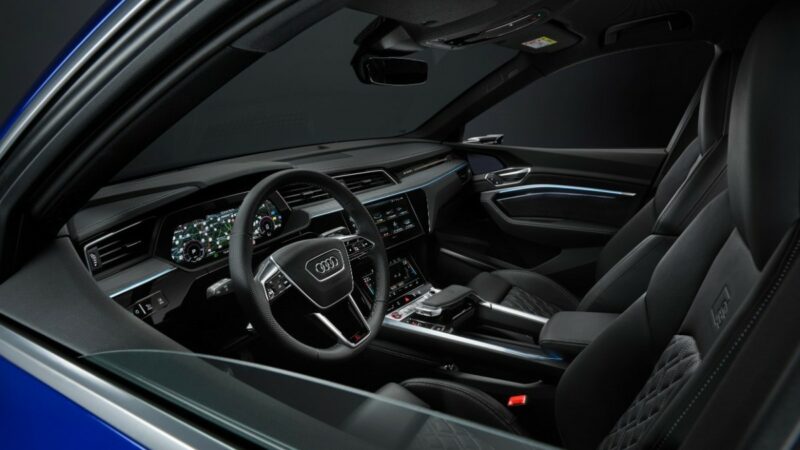
Both models come in an S package, indicating a sportier design. The widened bumper design is now more expressive, while the wheel arch panels with optimized air flow present a more muscular image.
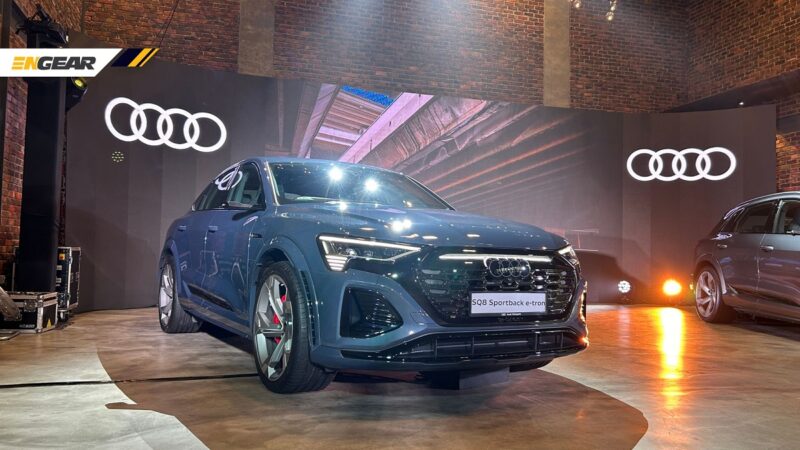
The Singleframe grille, which is an Audi signature (with projector lights), is further emphasized by the Digital Matrix LED headlights. Interestingly, these lights have 1.3 million micro mirrors that can be adjusted up to 5,000 times per second to provide optimal illumination without dazzling other drivers.
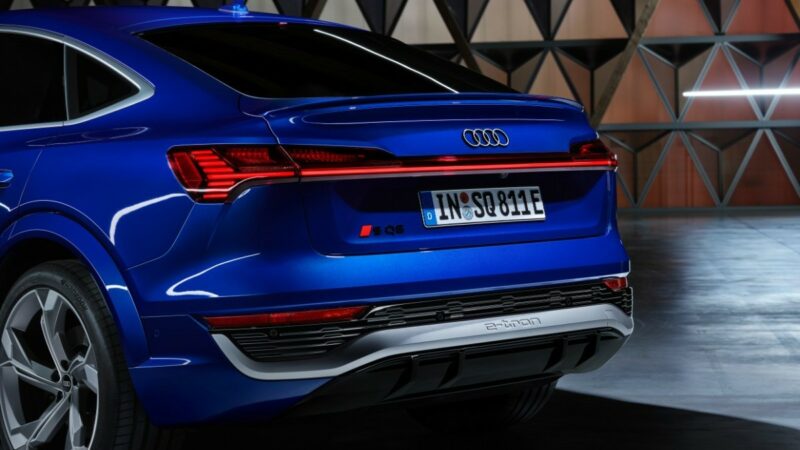
Aerodynamics are crucial for EVs, and the Audi SQ8 e-tron has a low drag coefficient (Cd) of between 0.24 and 0.27, helping to achieve longer driving distances.

Other features include red brake calipers, carbon fiber side mirror housings, black roof rails, and 22-inch Interferenz Audi Sport rims.
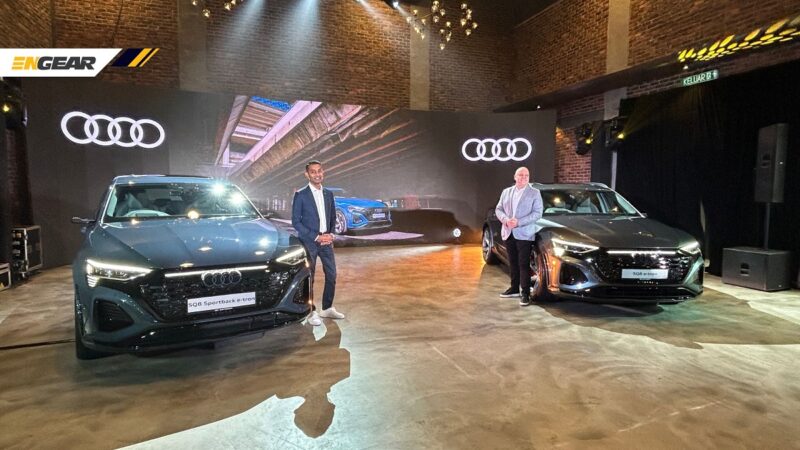
“With the introduction of the new SQ8 e-tron through the classic SUV design and the more sporty Sportback design, we are now offering a high-powered Q8 e-tron variant for those seeking a more exhilarating driving experience with Audi’s dynamic and efficient technology,” said PHSAM CEO, Denyu Bostandzhiev.

“The Q8 e-tron and e-tron GT model families were launched in Malaysia in June last year and have received positive feedback,” he added.

The SQ8 e-tron comes in seven color options – Magnet Gray, Ultra Blue, Chronos Gray, Mythos Black, Plasma Blue, Daytona Gray, and Glacier White.

Both models are covered by a 5-year warranty, a 3-year scheduled maintenance package, and 5-year roadside assistance.

“Let’s keep on making engines” – Toyota Chairman

The world’s largest car manufacturer, Toyota, is determined not to concede in the internal combustion engine race. The company aims to uphold this commitment, driven by the direction of its chairman and car enthusiast, Akio Toyoda.

He is adamant about safeguarding millions of jobs in Japan while simultaneously offering choices to future car buyers.

“To those who have been producing engines from the past until now, let’s continue to develop engines,” Toyoda stated during the Tokyo Auto Salon 2024 (TAS2024) event.

“As car enthusiasts, we are tasked with shaping the future. My desire to enjoy cars leads me to want to explore various technologies. This is something I take seriously,” he added.

Highlighting that over 5.5 million workers are involved in engine manufacturing in Japan, Toyoda emphasized the importance of retaining these jobs.

He outlined Toyota’s multifaceted plan for future mobility, stating, “The approach to carbon neutrality depends on the country and region. However, shouldn’t we consider the desires for cars that we need?”

Toyoda noted that outside of the country, Toyota has numerous colleagues with similar interests and desires. He expressed that Battery Electric Vehicles (BEVs) are not the sole means to achieve carbon neutrality, as Toyota has been developing hydrogen technology for the past three years.

“Last year, we tested liquid hydrogen and drove it at Le Mans. There is still work to be done in engine technology to achieve carbon neutrality. So, let’s refine engine technology. Let’s start that project,” Toyoda concluded.

TOGG T10F – Turkish first electric sedan with up to 435PS

Perhaps not many are aware, but behind the flood of electric vehicle (EV) brands from China, the world is now also welcoming the arrival of a new EV brand from Turkiye, namely Togg.

Togg, or its full name Türkiye’nin Otomobili Girişim Grubu (the Turkish Automobile Joint Venture Group), recently unveiled the T10F electric sedan at CES 2024, which is set to be marketed in Europe next year.

It is a fastback sedan in the C segment, where Togg describes this model as a connected smart device, not just a car. Based on a brief reference on the official website, this Togg T10F can be equipped with a single electric motor or dual electric motors.

The rear-wheel-drive (RWD) version is capable of accelerating from 0-100 km/h in 7.2 seconds, thanks to the powerful 218 PS electric motor and 350 Nm of torque.

The all-wheel-drive (AWD) version is even faster, going from 0-100 km/h in 4.6 seconds, with two more powerful electric motors (435 PS/700 Nm).

For full charging, the battery pack, whose capacity is not disclosed, can allow a range of 530 km (AWD) or up to 600 km (RWD version). The T10F supports rapid DC charging up to 180 kW, and charging from 20 to 80 percent can be completed in 28 minutes.

Togg also revealed the interior layout of this electric sedan, featuring a 12.3-inch cluster screen, a 29-inch infotainment screen, and a third 8-inch screen for HVAC control. Other features include a 500-liter cargo space, a heated steering wheel, and wireless smart device charging.

Lexus RZ450e F Sport Performance unveiled as an EV SUV, 100 unit only, RM379k in Japan

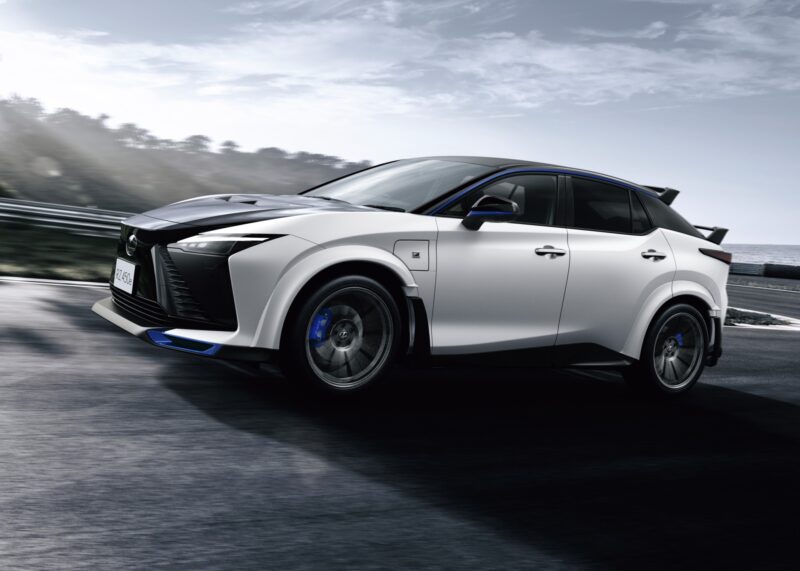
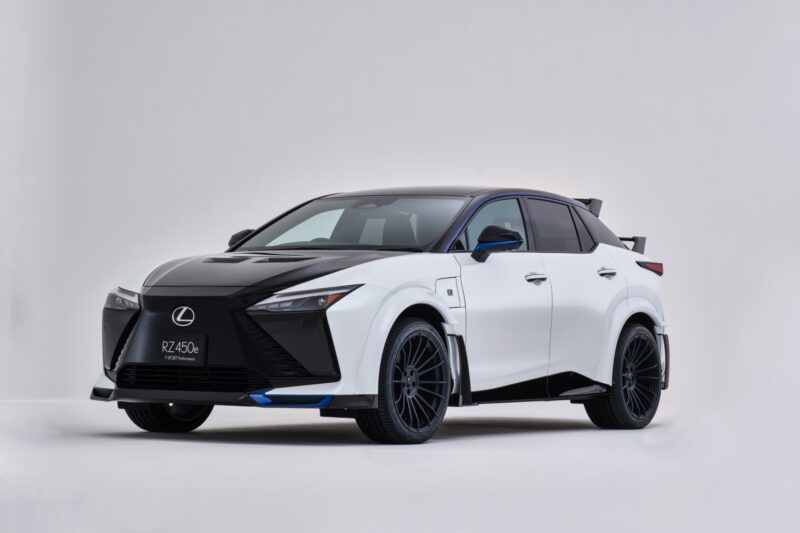
Lexus is attempting to steal some attention in the high-performance electric SUV market by introducing the special model RZ450e F Sport Performance.

It is actually the actual production version of the RZ Sport Concept model that was previously showcased at the Tokyo Auto Salon 2023.

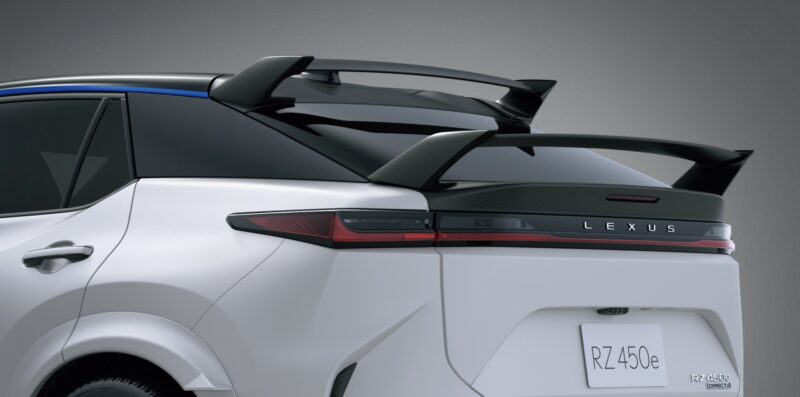
Lexus utilized the expertise of aerobatic pilot Yoshihide Muroya to develop up to 17 aerodynamic components for this RZ450e model.

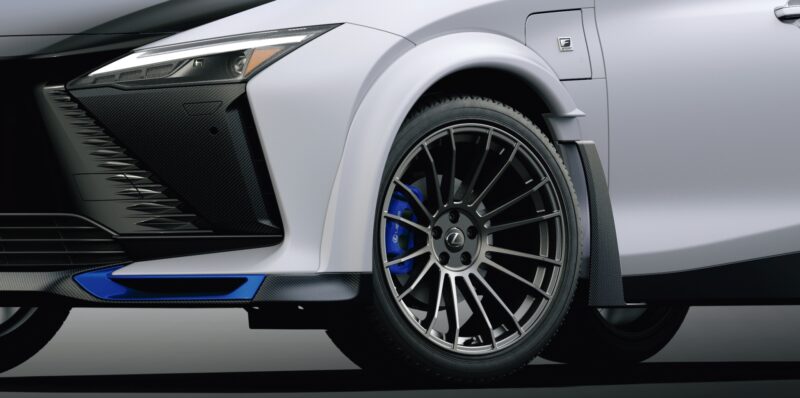
These include carbon fiber wings, followed by turning vanes on the sides using aircraft aerodynamic technology. In addition, the RZ450e also features a hood, roof, as well as front and rear spoilers made from carbon fiber.

The driving aspect relies on the expertise of racer Masahiro Sasaki, where the SUV suspension system has been retuned before being fitted with 21-inch ENKEI aluminum rims at all four corners.

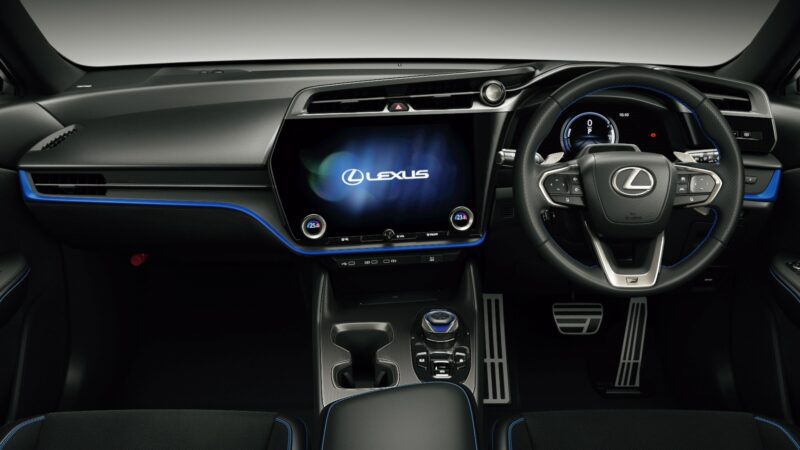
Lexus uses a combination of black, silver white called Hakugin, and blue accents for the exterior. Meanwhile, the cabin carries a combination of black and blue on the dashboard, Ultrasuede-wrapped seats, synthetic leather-wrapped steering wheel, aluminum sports pedals, and F Sport Performance scuff plates.

In Japan, the Lexus RZ450e comes with a setup of two electric motors, each producing 204 PS/266 Nm (front) and 109 PS/169 Nm (rear), as well as a 71.4 kWh battery pack.

Prices start from 11,800,000 yen (RM379,132) with only 100 units of the RZ450e F Sport Performance slated for production. Each eligible buyer will be notified by their respective dealers on February 22, 2024.

Porsche Macan EV in final testing phase, global premiere 25 Jan

PORSCHE engineers are preparing the all-new Macan, which now is also an electric model (EV), for its global debut soon.

The SUV is currently in its final phases and has undergone various extreme tests. As previously reported, this second-generation Macan is an electric model replacing the first generation after 10 years on the market.

The Porsche Macan EV is built on the Premium Platform Electric (PPE).  It remains a sporty Porsche but will become more efficient.

“When we develop a new model, it’s always about the driving dynamics and precision. That’s Porsche. It’s in our DNA. But it’s always about efficiency too. And design,” says Jorg Kerner, Vice President of the Macan Product Line.

The key to the new Macan’s aerodynamics is its drag coefficient (Cd) as low as 0.25. One of the challenges is maintaining the successful Macan identity while meeting new aerodynamic requirements.

This is achieved with Porsche Active Aerodynamic (PAA), which includes an active spoiler at the rear, active cooling flaps at the front, and a flat and closed underbody like a racing car.

Over 500km driving range

The Porsche Macan EV will be equipped with a 100kWh lithium-ion battery and 800-volt construction on the PPE platform.

This allows the Macan to receive fast DC charging up to 270kW, meaning the battery can be charged from 10 to 80 percent in just 22 minutes. AC charging remains at 11kW. The driving range is over 500km for all variants.

Tested and ready for global launch

The Macan EV is currently in its final testing phase, and prototypes with overall camouflage have been driven over 3.5 million km on test tracks and public roads worldwide.

“We cover all temperature ranges. From minus 30 degrees Celsius in Scandinavia to plus 50 degrees Celsius, as we experienced in Death Valley in California,” said Kerner.

“Of course, an SUV also has to work on any surface. That’s why we test not only on roads, but also off-road, on gravel, snow and ice.” he said.

Systems such as all-wheel drive, two electric motors, Porsche Traction Management, Launch Control, Porsche Active Suspension Management, all have been tested on these surfaces.

Look out for our report after the official launch of the Porsche Macan EV on January 25th.

EQB fire in Johor: company operating charging station did not have licence

THE Energy Commision (ST) in a statement revealed that the operator of an electric vehicle charging station (EVCS) in Johor, which caught fire on December 31, was found to be operating without a licence.

In the statement, the Energy Commission noted that the Electricity Supply Act 1990 (Act 447) and the Electricity Regulations 1994 stipulate that energy supply activities from any installation must be carried out with a valid licence from ST.

In the incident, a Mercedes-Benz EQB was engulfed in flames while charging at a vehicle showroom building in Tampoi.

According to ST, about 5% of the 256 sq metre premises and 20% of the EV charging bay were also destroyed. No injuries were reported.

The commision said that it is currently investigating to identify the real cause of the incident. The responsible party and the company involved will also be called upon to assist in the investigation.

On December 16, 2022, ST reportedly advised the operators of charging point operators (CPO) involved in the development of electric vehicle charging infrastructure (EV) to promptly obtain a valid public distribution licence for the EVCS installations in the country, including those already in operation, by March 31, 2023 last year.

Volvo Car Malaysia sells even more EV in 2023

VOLVO Car Malaysia wraps up the 2023 calendar year with an increase in electric vehicle (EV) sales, which accounted for 18 percent of the total sales. This also represents a 37 percent increase compared to the previous year.

Out of the total sales, the Recharge model range (comprising fully electric EVs and PHEVs) accounted for 71 percent of the sales.

This percentage also places Volvo Car Malaysia in the top 15 globally, with the Recharge model sales averaging 38 percent.

Volvo Car Malaysia sold 2,694 cars in 2023, compared to 3,194 in 2022, which was a year of recovery for the automotive industry after the pandemic.

Charles Frump, Managing Director of Volvo Car Malaysia, said, “2023 marked a transformational year for us as we transitioned towards a fully electric future.

“Despite a drop in sales figures, we are proud to maintain our market share even without new launches last year.

“After seven years of growth until 2023, we anticipate continued growth in 2024 with the arrival of fully electric products,” Charles added.

On a global scale, Volvo Cars achieved a record sales figure for 2023 with 708,716 units sold, representing a 15 percent increase compared to 2022.

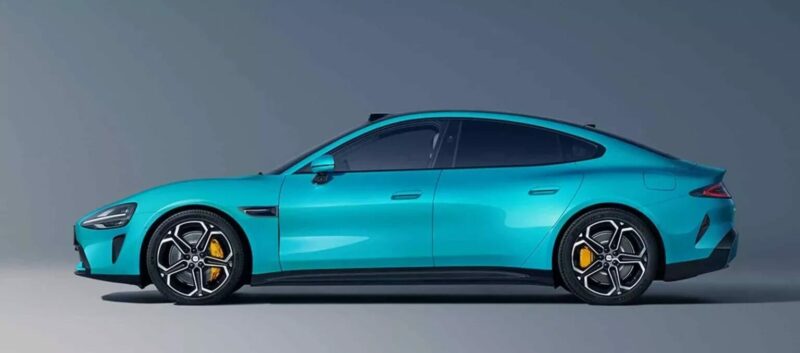
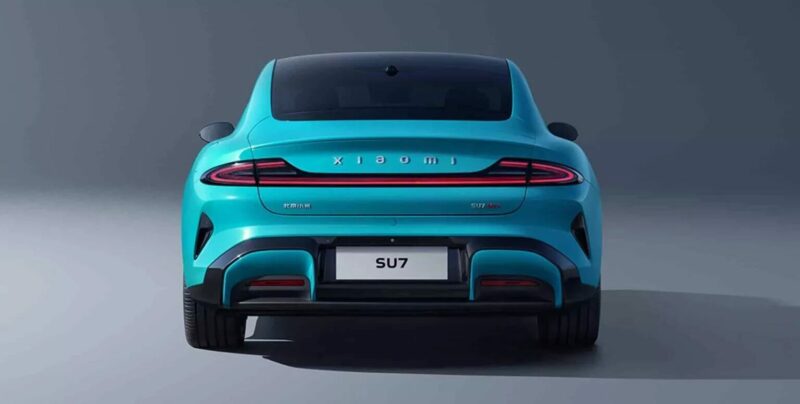
Xiaomi SU7 breaks cover – 673 PS, 0-100 kmh in 2.78s, 800 km range

AS you may be aware, several smartphone companies are beginning to join the hotly contested electric vehicle race.

One of them is Xiaomi, which has just introduced its first EV called the SU7. It is dubbed as a “full-size high-performance eco-technology sedan.”

Speaking of size, the SU7 measures in at 4,997 mm in length, 1,963 mm in width, 1,440 mm in height, and has a wheelbase of 3,000 mm. This makes it slightly larger than its two closest competitors, the Porsche Taycan and Tesla Model S.

The SU7 is built on Xiaomi’s Modena platform, offering a 400-volt and 800-volt architecture, with three options for electric motors, confusingly called the HyperEngine V6, V6s, and V8s.

For the exterior design of the SU7, Xiaomi has hired the services of former BMW design chief Chris Bangle as the design consultant. Thanks to his magic touch, the EV has a drag coefficient of just 0.195, making it one of the most aerodynamic cars on the market.

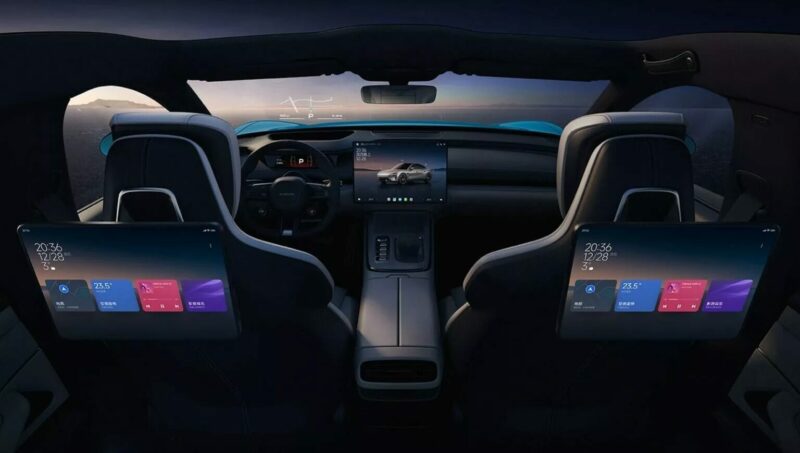
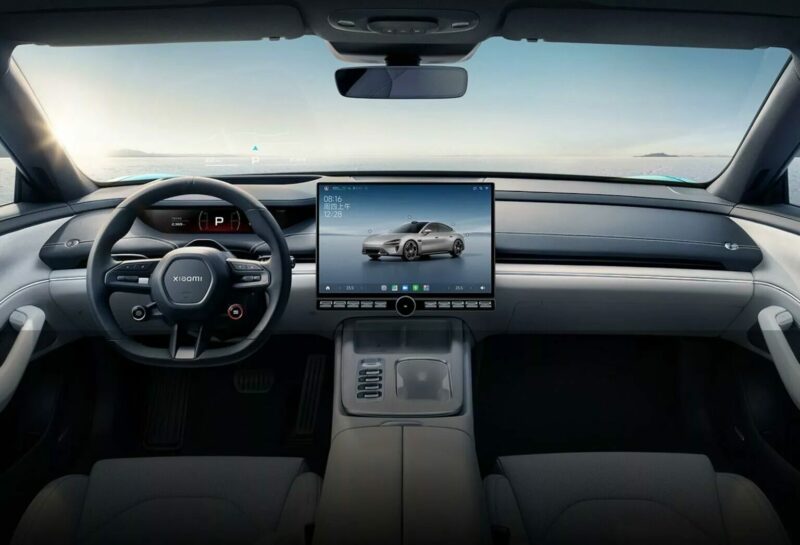
As for the interior, the Chinese smartphone giant has utilised its technological expertise to equip the SU7 with the latest gizmos from its armoury.

This includes a 16.1-inch touchscreen and a smart autonomous driving system comprising of one LiDAR, 11 HD cameras, three radars and 12 ultrasonic radars.

The SU7 will be offered in two variants: base and Max. The base variant is powered by the HyperEngine V6, which delivers 299 PS and 400 Nm.

This allows it to accelerate from 0 to 100 km/h in 5.28 seconds and achieve a maximum speed of 210 km/h. This variant comes with a 73.6 kWh battery offering a driving range of up to 668 km.

Meanwhile, the SU7 Max features the HyperEngine V8s with a pair of electric motors generating 673 PS and 838 Nm. It only takes 2.78 seconds to reach 100 km/h and can accelerate to 265 km/h.

With a 101 kWh battery, it can be driven up to 800 km on a full charge. Since this variant utilizes an 800-volt architecture, it can regain a range of 220 km in just five minutes or 390 km in 10 minutes.

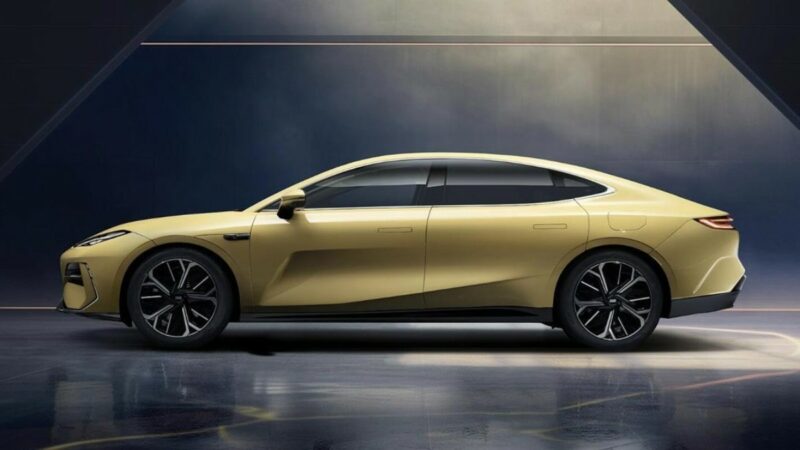
Geely Galaxy E8 launched in China – 800 volt battery, up to 665km range

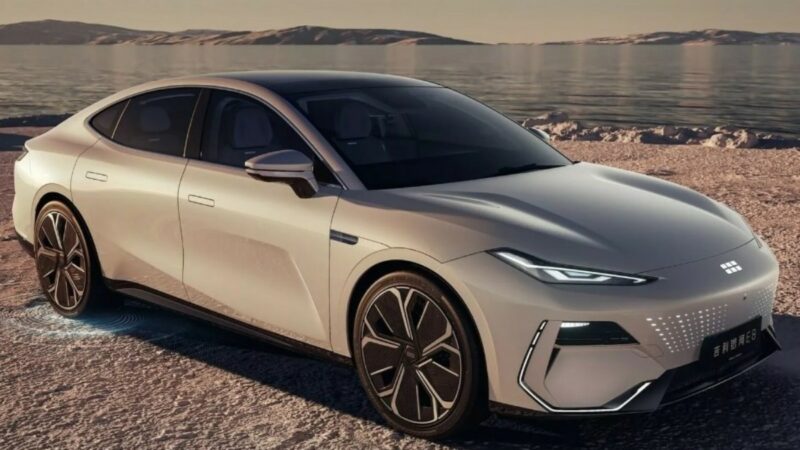
Geely has just launched the Galax E8 in China, which is the third model in the Galaxy series. This sedan EV is built on Geely’s Sustainable Experience Architecture (SEA) platform with a sleek and sporty body design.

The design is not just for aesthetics, as the Galaxy E8 reportedly has a drag coefficient of only 0.199, lower than the Mercedes EQS (0.202) and Nio ET7 (0.208).

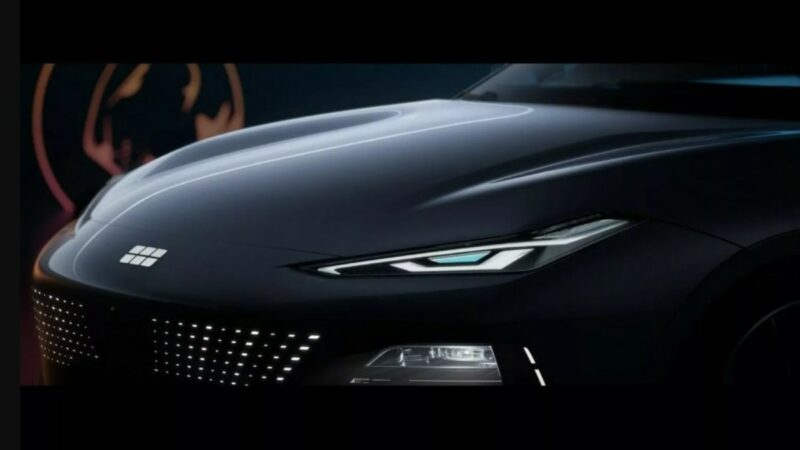
As usual, there’s no front grille, but the Geely Galaxy E8 features sharp headlamps and DRL. The side profile is free of any protruding objects that would disrupt airflow, and the door handles are retractable.

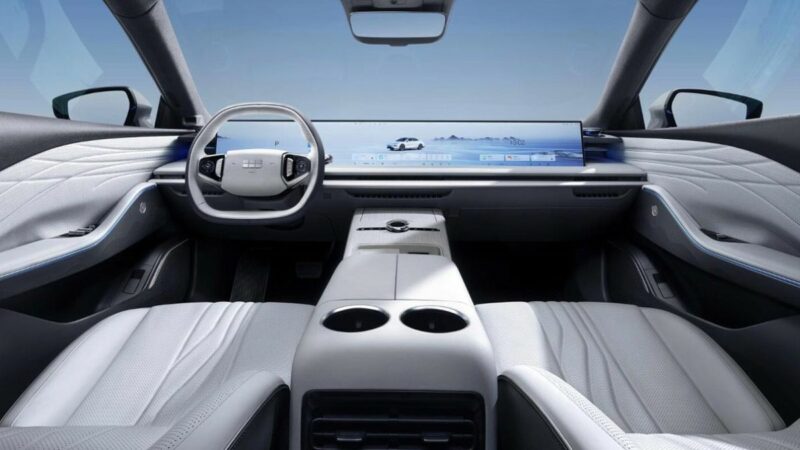
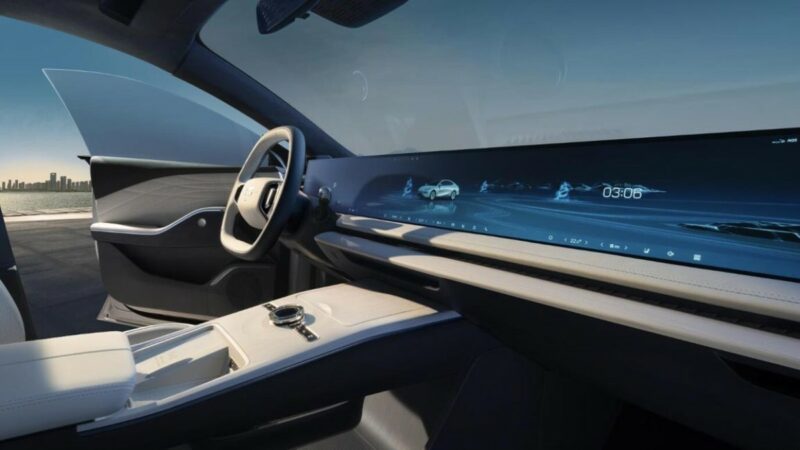
The interior of the cabin is striking, with a large 45-inch 8K resolution screen that stretches across the dashboard. Chinese companies seem to favor these large screens.

The Galaxy E8 also comes with a flat-bottomed and flat-top steering wheel, meaning it’s not circular. The central console is compact with six buttons, a rotary knob, a wireless charger pad, and storage space. Other features include ambient lighting and a panoramic sunroof.
For the mechanical aspect, the Geely Galaxy E8 is available in several configurations. The first is a 400-volt version with a 62kWh lithium phosphate (LFP) battery, a 272hp rear axle motor, and a driving range of 550km.

Another version has a 272hp motor but is equipped with a larger 76kWh battery pack, extending the driving range to 665km.

The highest variant has an 800-volt battery, a 224hp front motor, a 421hp rear motor, and a 76kWh battery pack. This variant can be driven up to 665km on a single charge.

1.6 million Tesla cars recalled in China over steering software issue

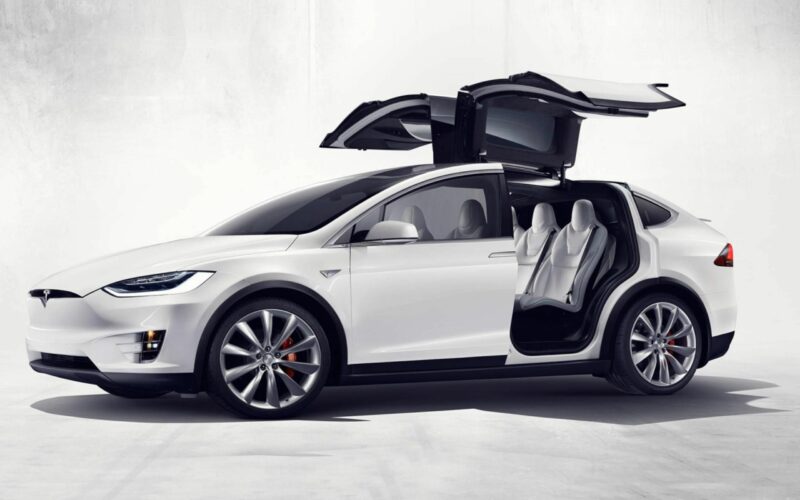
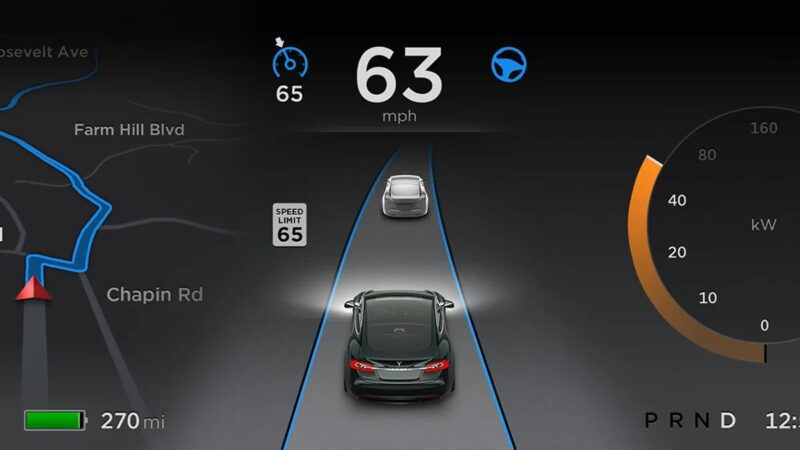
The authorities in China have directed Tesla to recall approximately 1.6 million electric vehicles in the country. The recall is aimed at updating the Autopilot driving assistance function to reduce the risk of accidents.
This is due to the Autosteer system within the Autopilot function is prone to misuse by most Tesla drivers. The solution involves adding audio and visual warnings when the function is activated or deactivated.

According to Reuters report, the recall campaign involves all Tesla models sold in China, including the Tesla Model S, Model X, Model 3, and Model Y.

The Autopilot function will be enhanced through over-the-air updates, eliminating the need for owners to send their cars to Tesla service centers.

Additionally, Tesla is also updating the door locking software involving 7,538 units of Model S and Model X in China due to concerns about doors opening automatically during accidents.

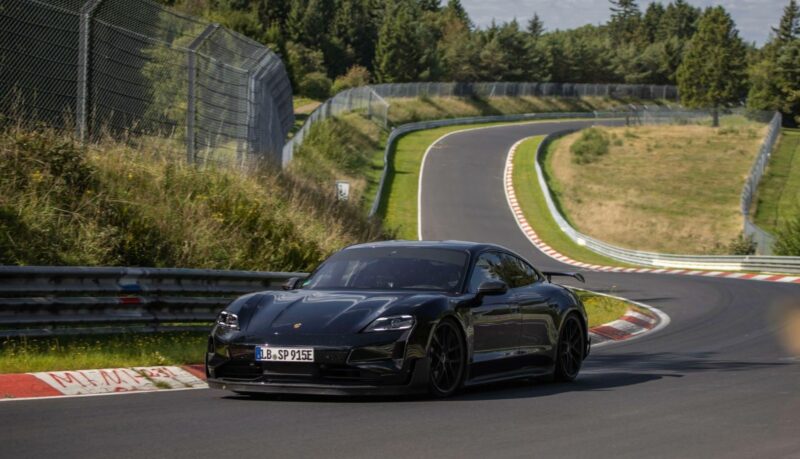
Pre-production Porsche Taycan is 18 secs faster than Model S Plaid around Nurburgring

Porsche is currently working on a new variant of the Taycan that offers better on-track performance compared to existing variants.

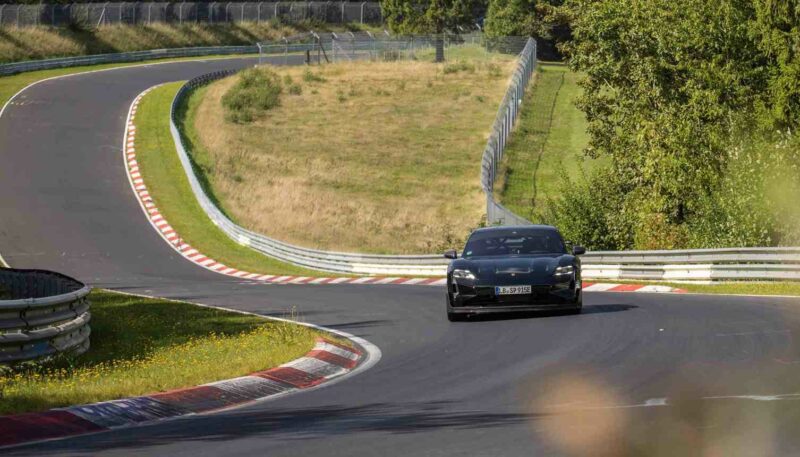
Although it’s not quite ready yet, the unnamed new variant has already put an impressive display of track prowess with a lap time of 7:07.55 minutes on the Nurburgring Nordschleife circuit.

The lap time clocked by the pre-production car is a whopping 26 seconds ahead of the record set by the Taycan Turbo S and almost 18 seconds quicker than that of the Tesla Model S Plaid.

To illustrate the speed of the new variant at the Nurburgring, Porsche said it would finish lapping the 20.8 km circuit 1.3 km ahead of the Taycan Turbo S.

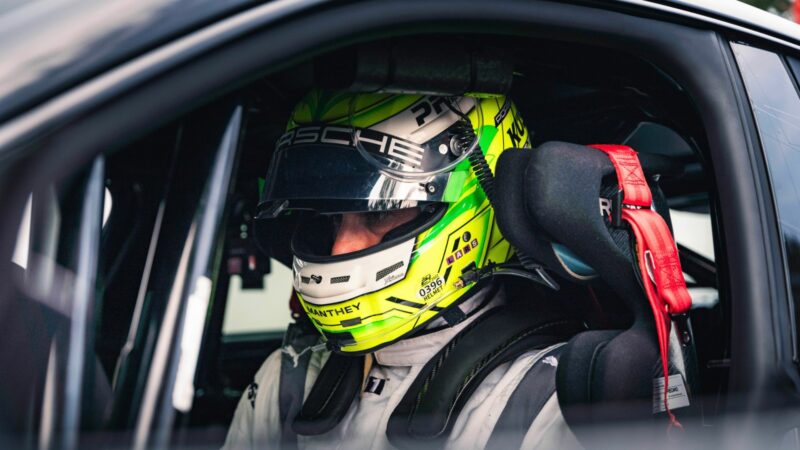
Driven by Lars Kern, the pre-production Taycan was equipped with a roll cage and bucket seats for safety reasons.

Details about the powertrain are undisclosed, but rumours suggest the variant comes with a tri-motor setup capable of generating a total system output of up to 1,000 hp.

An extra motor on the rear axle allows for better thermal management and advanced traction control.

As for the design, official images released by Porsche show a more aggressive design front bumper, a lip spoiler, as well as a rear spoiler. The wheels also appear to have a different design from the existing options.

According to Porsche, an onboard video of the complete lap will be published in mid-March.

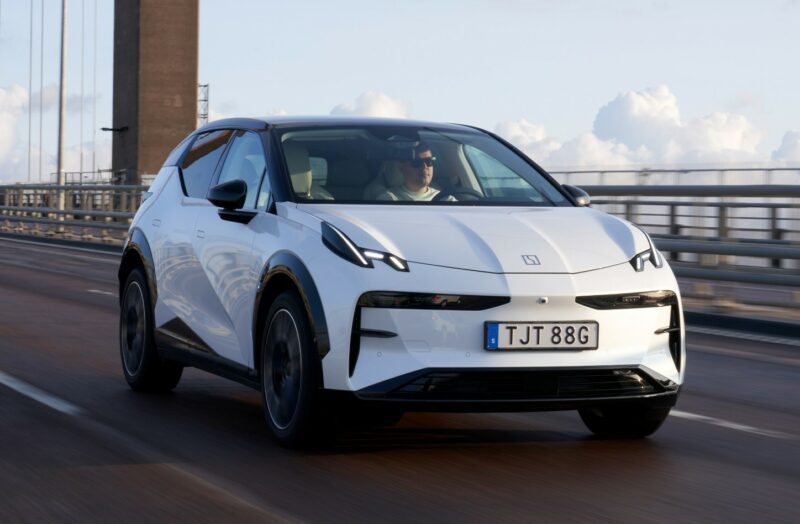
Premium EV brand Zeekr to launch in Singapore this year

ZEEKR, the premium electric vehicle brand from Geely, is set to enter the Singaporean market in 2024, The Business Times reported.

According to BT, sales will commence in the first half of this year, with first deliveries expected to take place sometime between June and July.

Representing Zeekr in Singapore is Premium Automobiles Group, which has been appointed as the official distributor of the EV brand. Premium Automobiles also serves as the official distributor of Audi in the republic.

To mark its arrival, Zeekr will be launching the 009 and X, both built on the Scalable Experience Architecture (SEA) platform developed by Geely.

The 009 is a large MPV with a length of up to 5.2 meters and a cabin capable of accommodating up to six passengers. Equipped with a 140-kWh battery, it is capable of covering a distance of more than 800 km on a full charge.

The X was introduced in February 2023 as the third model in Zeekr’s lineup. Technical details are scarce, but the compact crossover reportedly shares the same powertrain as the Smart #1, indicating that it may be offered with a 66 kWh battery with a range of 400 km.

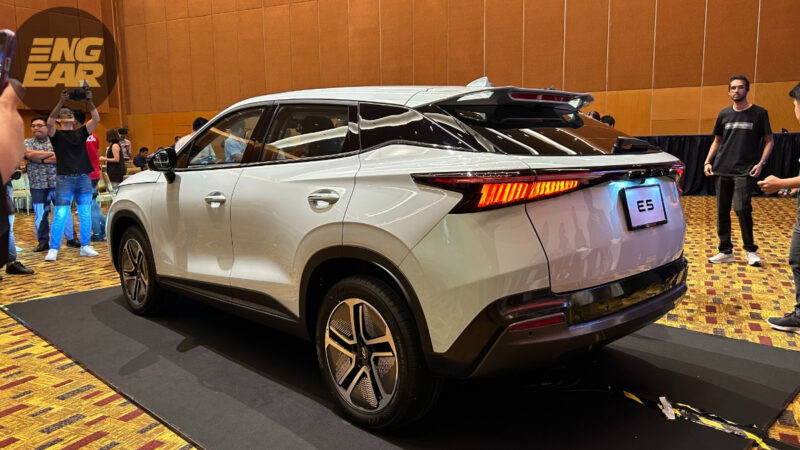
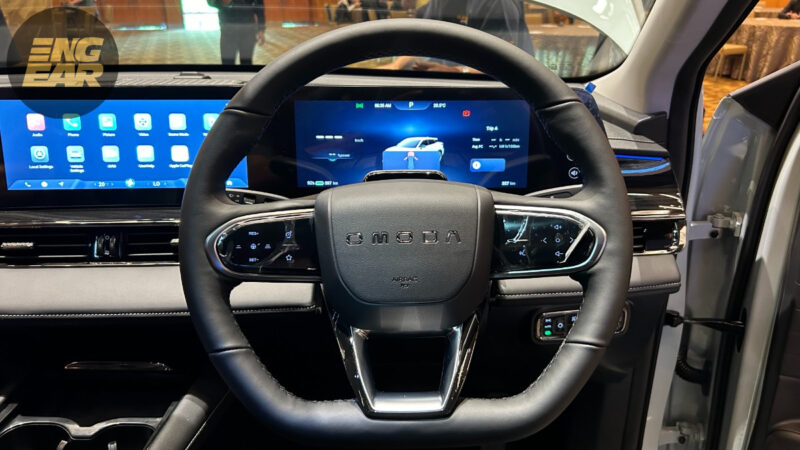
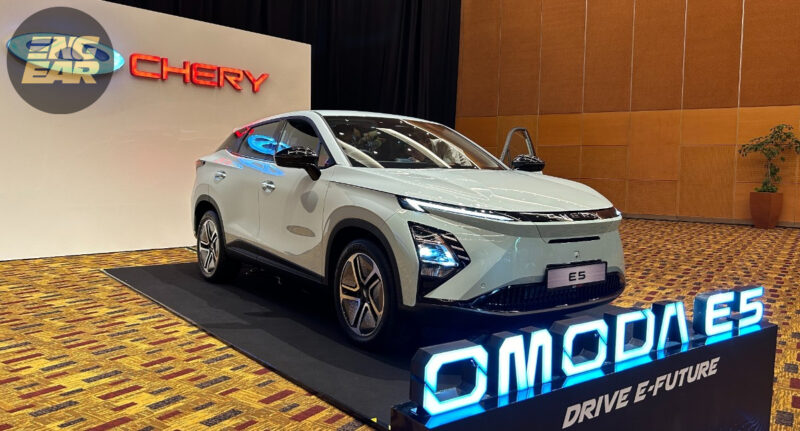
Chery Omoda E5 launch in March 2024, EV SUV to be the Lead Car for Chery Eco Run

Chery Omoda E5 is set to be launched in March 2024, offering another compact B-segment SUV option with electric (EV) propulsion.

The Omoda E5 is equipped with a lithium iron phosphate battery, which is said to be more environmentally friendly. It has higher energy density for greater storage, thus offering a longer driving range, according to Chery.

Furthermore, Chery claims that the lithium iron phosphate battery can reduce the frequency and cost of battery replacement. This SUV can travel up to 430km on a single charge. With fast DC charging, it can be charged from 30 to 80 percent in just 30 minutes.

With an output of approximately 201hp (150kW), the Omoda E5 can accelerate to 100km/h in 7.8 seconds, and Chery claims that the SUV has an efficiency of 15kWh per 100km.

In terms of appearance, the Omoda E5 EV does not feature a grille like the petrol version; instead, its front space is enclosed. It also comes with aero rims for improved aerodynamic efficiency. The driving features of the Omoda E5 include Easy Start-Up, Creep, Pocket Brake, One Pedal Driving, and AGS Active Air Intake System.

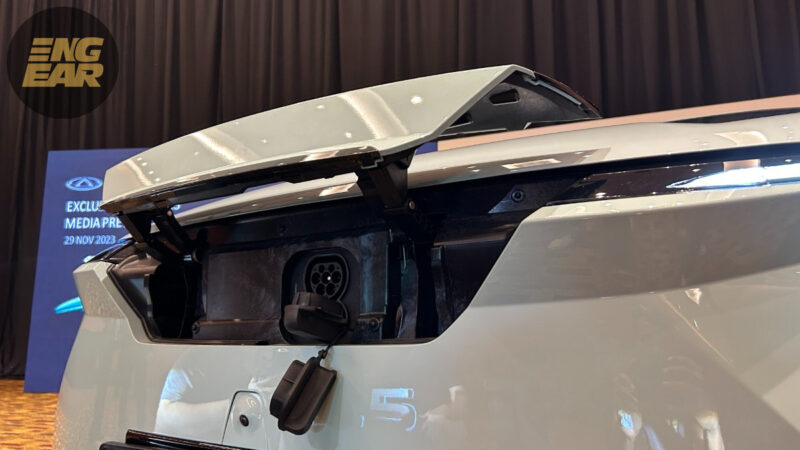
The Chery Omoda E5 also supports V2L function, allowing external device charging such as ovens, grills, rice cookers, and even electric scooters.

Chery Eco Run

Chery Malaysia has announced that this model will be available in seven body color options with three interior colors. Chery Eco Run Meanwhile, the Omoda E5 will be used as the Lead Car for the Chery Eco Run, which will take place at Dataran Wawasan Putrajaya on Sunday, January 7.

Carrying the theme “A New Journey To A New Green Life,” the event is in line with Chery Omoda E5’s environmental protection message. It is organized by Jom Run and is expected to attract over 3,000 participants.

10 best EVs launched in Malaysia in 2023 – Part 2

THE curtains have closed on the year 2023, which seemed like a busy period for the Malaysian electric vehicle market, thanks to the influx of new offerings coming on to the local EV scene.

So without further ado, let’s revisit the 10 most exciting EVs launched in our market throughout last year. Not that the cars in this list is not sorted in order.

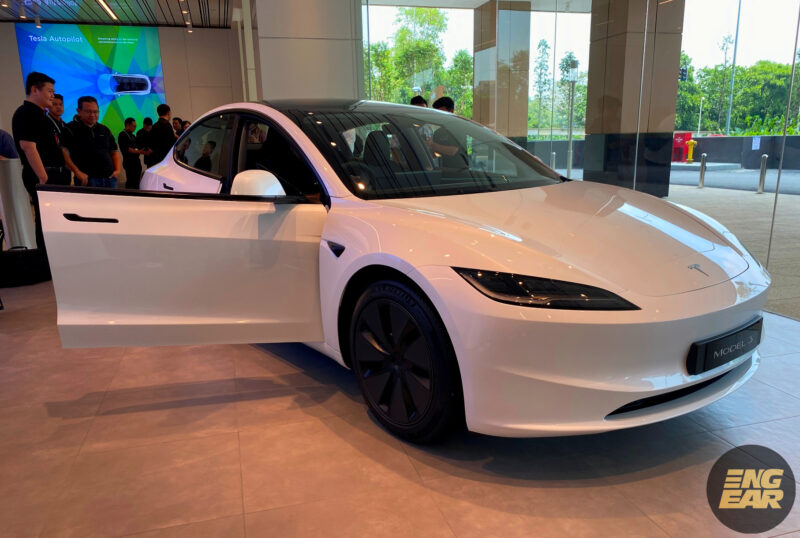
Tesla Model 3 Highland

The Model 3 facelift, also known as the Highland, was launched shortly after Tesla marked its entry into Malaysia with the Model Y.

The electric sedan is arguably the most anticipated EV of the year, and this is not surprising as it looks even better than before and comes with various improvements and competitive pricing.

Unfortunately, we have yet to try the new Model 3 but we have a feeling that the driving experience will be rather different from other EVs with the omission of the gear selector and turn indicators.

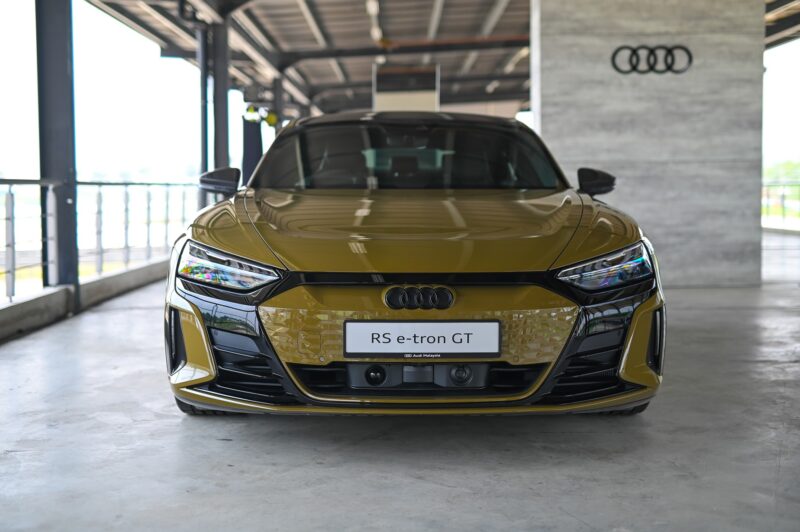
Audi e-tron GT

Unlike the Porsche Taycan, the Audi e-tron GT can definitely make you feel you’re Mr Stark himself.

The e-tron GT is easily one the most attractive EVs on the market, and its on-track performance has also been proven during a test drive session at the Sepang International Circuit a while ago.

For the Malaysian market, you can get the e-tron GT in the base version or the RS version, which has higher power output, a rear differential lock, rear-wheel steering, and an adaptive air suspension system.

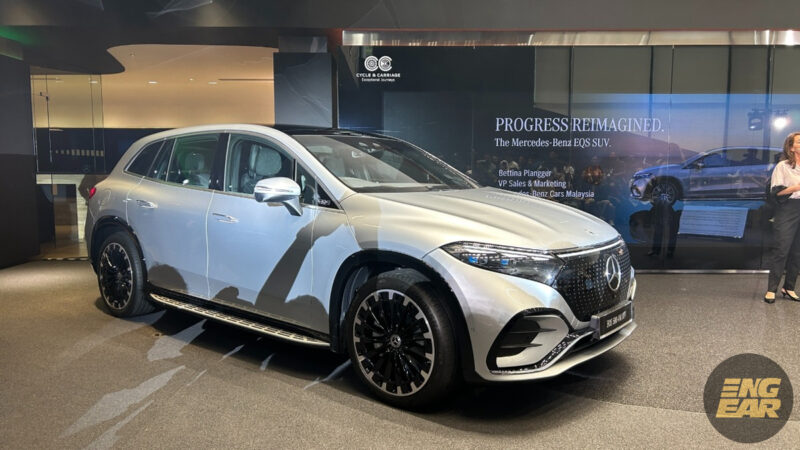
Mercedes-Benz EQS SUV

Mercedes-Benz Malaysia has been actively expanding its EQ electric vehicle lineup, this time with the launch of yet another model, the EQS SUV.

Available in the sole EQS 580 4Matic AMG Line variant, it is equipped with a 107.8 kWh battery that offers a range of up to 615 km on a full charge. Rapid DC charging at 200 kW allows the battery to be charged from 10% to 80% in 31 minutes.

There’s a long list of standard features on board, which include AMG Line body kit, 22-inch AMG wheels, MBUX infotainment system with Hyperscreen, and Airmatic air suspension system.

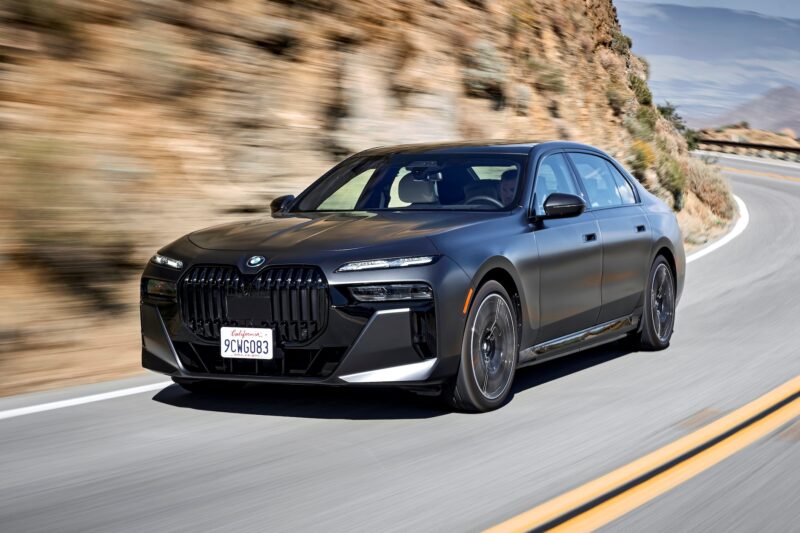
BMW i7

Say what you want about exterior design of the i7, but this car has earned BMW’s “most powerful EV” title with a 0-100 km/h sprint time of 3.7 seconds for the M70 variant.

In the xDrive60 M Sport guise, this electric limousine has 544 PS and 745 Nm, enabling acceleration from 0-100 km/h in 4.7 seconds before reaching a maximum speed of 240 km/h. Its range is equally impressive at 625 km.

If performance is not your priority, the i7 still offers a high level of comfort and luxury that can be expected from the 7 Series. There’s plenty of new tech and gadgets inside, including a 31.3-inch drop-dpwn screen for the rear passangers.

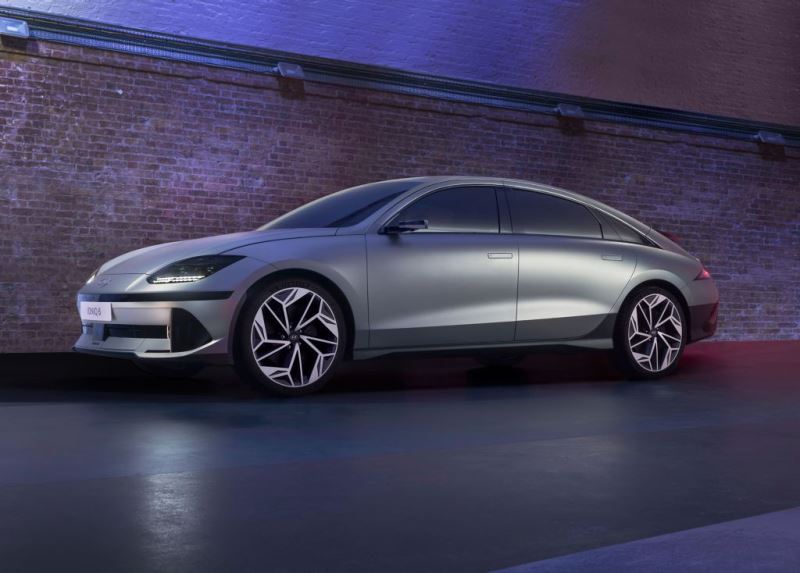
Hyundai Ioniq 6

Following the encouraging response received for the Ioniq 5, Hyundai has decided to introduce another EV model to the local market, namely the Ioniq 6.

This streamliner-shaped sedan is available in Max RWD and Max AWD variants, offering ranges of up to 614 km and 519 km, with prices ranging from RM289,888 to RM319,888.

If that seems expensive, Hyundai also offers Lite and Plus variants priced from RM219,888. Most of the standard features are retained, but both variants have a lower power output, and the range is shorter at 429 km.

Yamaha establishes Enyring for e-bike battery swap in Europe, beginning 1H 2025

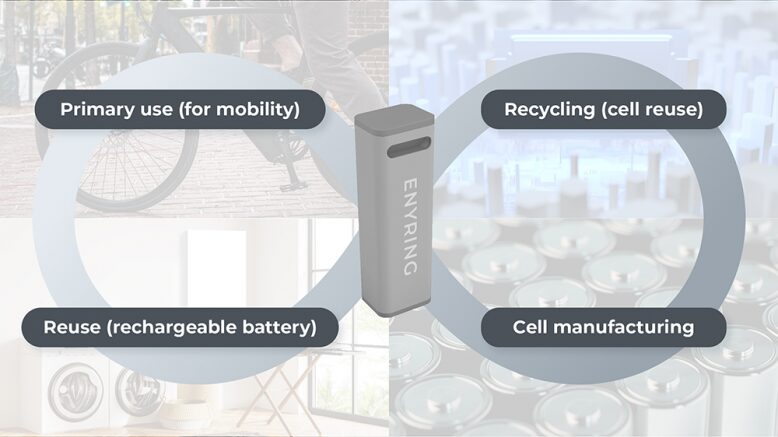
YAMAHA has announced the establishment of a new company called Enyring, which will offer battery exchange services based on subscription in Europe.

According to the official images provided, this Yamaha battery exchange service is seen to use smaller-sized battery units compared to Honda’s Mobile Power Pack e units.

In addition to offering electric scooter battery exchange subscription plans to users, Enyring will also collaborate with leaders in Europe to recycle used batteries.

In doing so, Yamaha will create a closed-loop system that relies entirely on recycling materials to produce the latest products.

Enyring will be based in Berlin, Germany, with operations set to commence in the first half of 2025. To start, Enyring will establish battery exchange infrastructure in two major cities, Berlin and Amsterdam.

The selection of these two locations is considered highly suitable as the use of bicycles and electric scooters has already become popular among the local population.

10 best EVs launched in Malaysia in 2023 – Part 1

THE curtains have closed on the year 2023, which seemed like a busy period for the Malaysian electric vehicle market, thanks to the influx of new offerings coming on to the local EV scene.

So without further ado, let’s revisit the 10 most exciting EVs launched in our market throughout last year. Note that the cars in this list is not sorted in order.

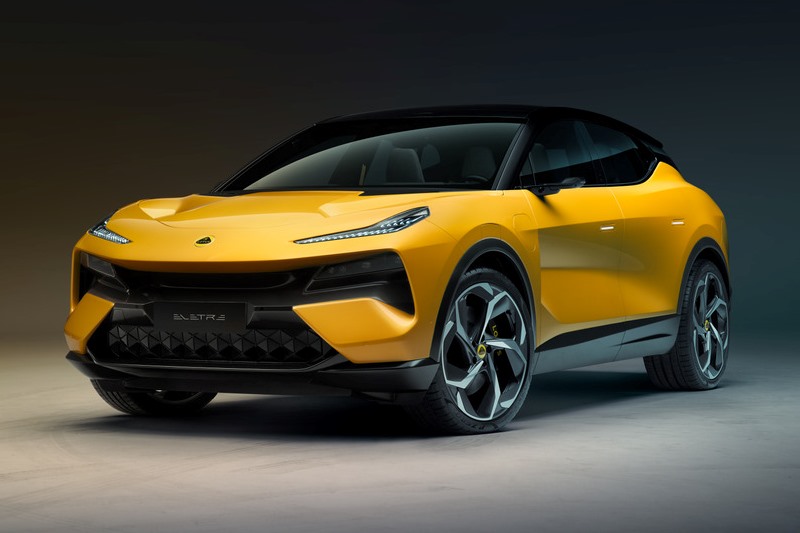
Lotus Eletre

There are many reasons to like the Eletre, whether or not you are a fan of Lotus. Firstly, it is the first production SUV for the brand known for its small and lightweight sports cars.

It may be an electric SUV, but the Eletre has what it takes to blow the existing ICE Lotus vehicles out of the water with a total system output of 905 hp and 985 Nm in its most powerful version, the R.

Its rather aggressive exterior design may not be everyone’s cup of tea, but the Eletre’s space-age cabin should leave youe in awe.

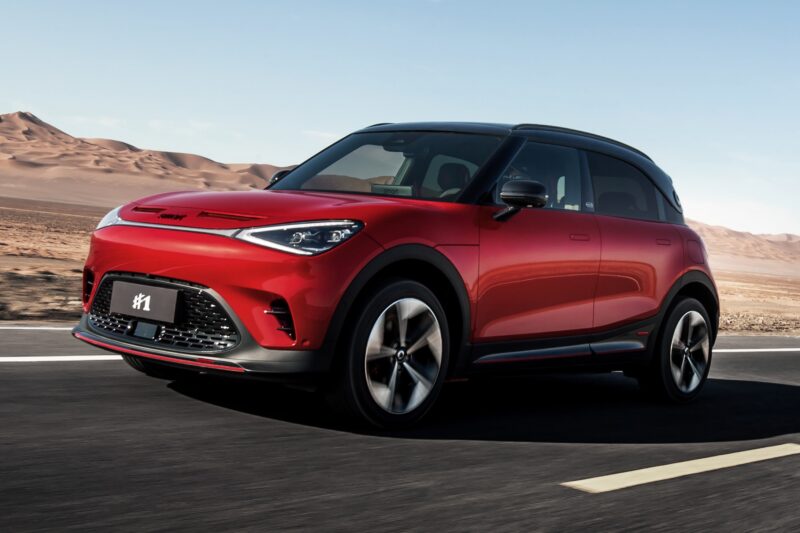
Smart #1

After months of teasers, the smart #1 was finally launched last November, offering three variants with selling prices ranging from RM189,000 to RM249,000.

The prices may seem a tad steep but with the #1, you truly get what you pay for. In other words, the #1 is a premium EV with a wide variety of features.

The Pro and Premium variants are equally impressive, with acceleration performance of 0-100 km/h in 4.4 seconds and a range of 440 km. If that’s not enough, the Brabus variant offers a sportier look with red trims and two electric motors.

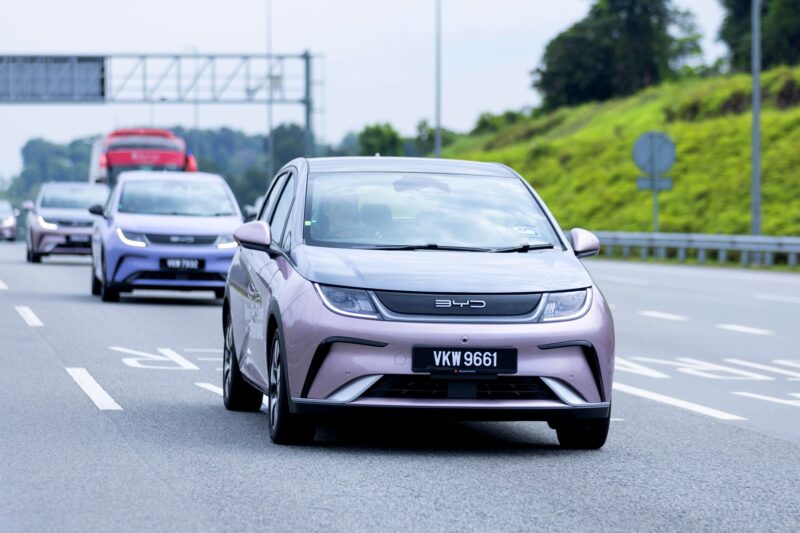
BYD Dolphin

The BYD Dolphin is the Chinese EV manufacturer’s second model to arrive in Malaysia, following the Atto 3. With a starting price below of RM100,000, it is also one of the most affordable EVs in the market.

True to its name, the Dolphin’s exterior design is rather adorable, enhanced by attractive LED signature lights at the front and rear. Its interior space looks unique with a funky dashboard design and vibrant color theme.

In addition to the impressive driving range (410 km to 490 km, NEDC), what’s appealing about the Dolphin is the amount of standard equipment buyers get, which include wireless Apple CarPlay, a 12.8-inch rotating touchscreen, and ADAS, to name a few.

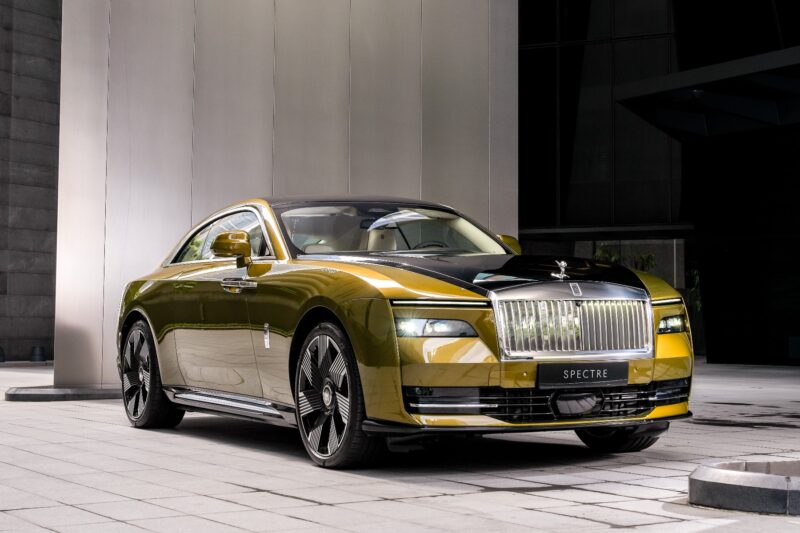
Rolls-Royce Spectre

This ultra-luxurious electric coupe arrived in Malaysia last September as the most expensive EV in the country,  with a price starting from RM2 million excluding options.

If V12-powered cars like the Ghost and Dawn are sometimes described as “eerily silent”, imagine a Rolls-Royce without an internal combustion engine.

With a 102-kWh battery, the Spectre can drive up to 520 km on a full charge. Charging from 10% to 80% can be achieved in just 34 minutes via a 195 kW DC charger. Interestingly, the Spectre is the first two-door coupe Rolls-Royce to come with 23-inch wheels in almost 100 years.

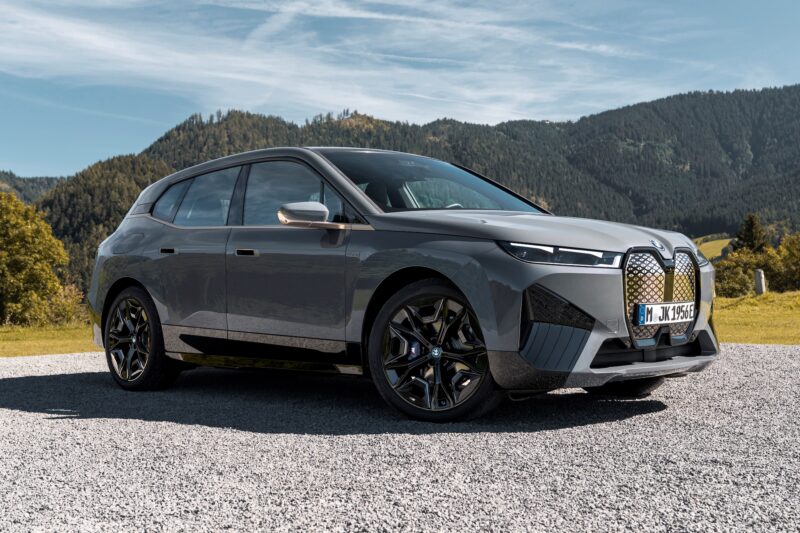
BMW iX M60

The first electric SAV model in the BMW M portfolio is powered by two electric motors producing a total power of 619 PS and 1,015 Nm.

If that torque figure isn’t high enough, the Launch Control function will boost it to 1,100 Nm to enable the vehicle to accelerate from 0 to 100 km/h in 3.8 seconds. The maximum speed is capped at 250 km/h.

A 105.2 kWh lithium-ion battery pack provides a driving range of up to 561 km, but with the bonkers ouput, it seems that not many drivers will be able to reach 500 km on a single charge.

Gachaco opens public battery sharing service for EV scooters in Japan

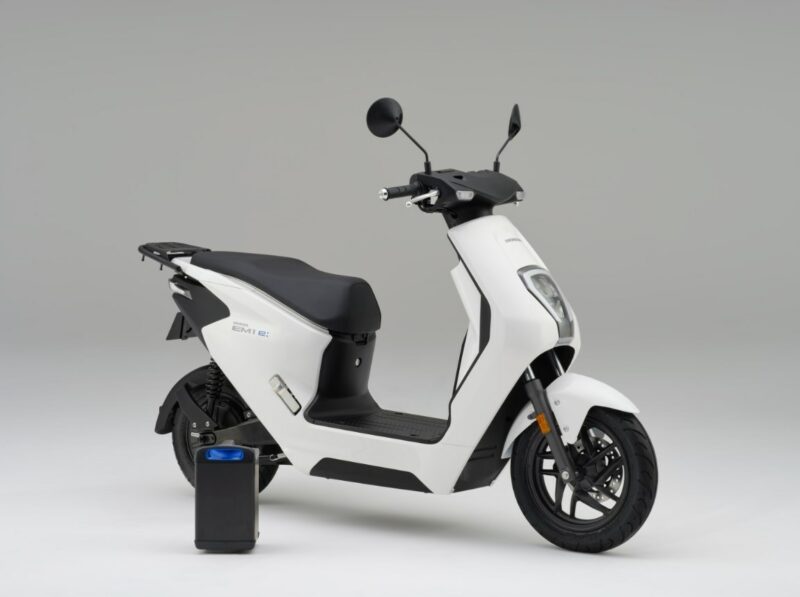
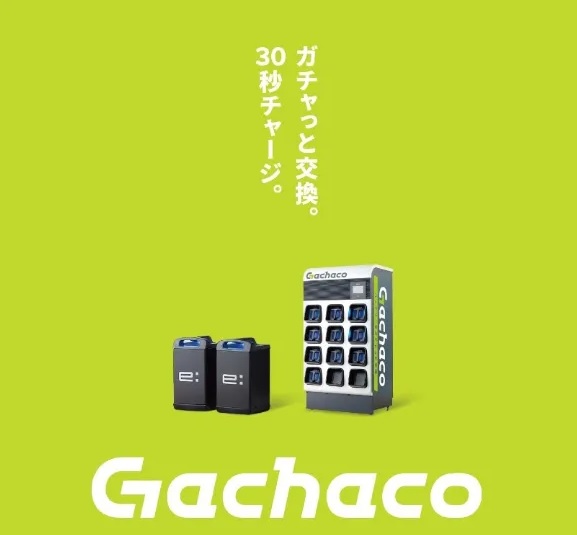
JAPAN’S Big Four Companies (Kawasaki, Suzuki, Yamaha, and Honda) and the energy company Eneos have formed Gachaco, a electric scooter battery swapping service in the Japanese market.

Initially, Gachaco was targeted for business and delivery use only and could only be used for certain models of Honda electric scooters, such as Benly e:, Gyro e:, Gyro Canopy e:, and EM1 e:.

Only the EM1 e: model is available for public purchase, where interested individuals can subscribe to Gachaco’s battery swapping service.

By reclassifying the battery as a service and excluding it from the selling price, Honda customers can obtain the EM1 e: scooter at a lower cost, approximately 97,200 yen (RM3,167).

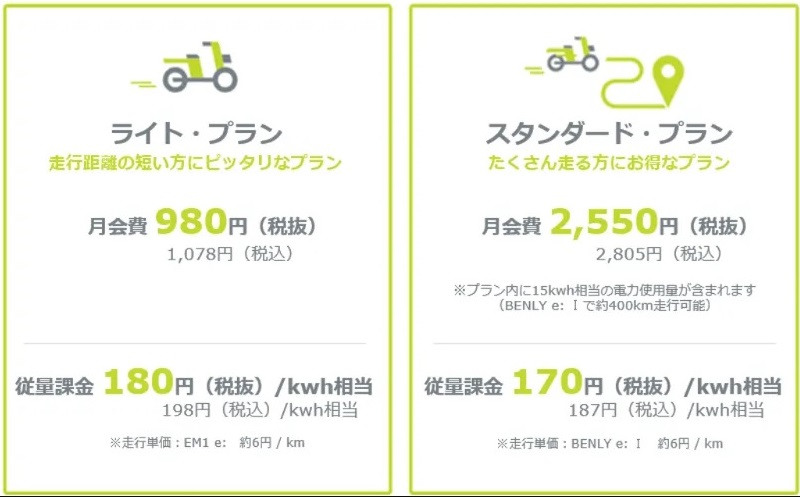
What they need to do is subscribe to Gachaco’s battery swapping service based on their current usage. For example, the basic plan starts at about 1,078 yen per month (RM35 per month), while the standard plan costs 2,805 yen per month (RM91.39 per month).

Gachaco also offers a pay-per-use option for each usage, priced at 180 yen per kWh (RM5.86 per kWh).

At present, the Gachaco battery swapping service, which utilizes the Honda Mobile Power Pack e: unit, is only available in Japan.

Huawei-Seres joint-venture to build Aito M9 with BMW X7 size and 630km range

Due to the relatively large size of the Chinese market, it is not surprising to see various cooperative efforts between major names such as Geely-Baidu, as well as several leading smart device manufacturers like Huawei.

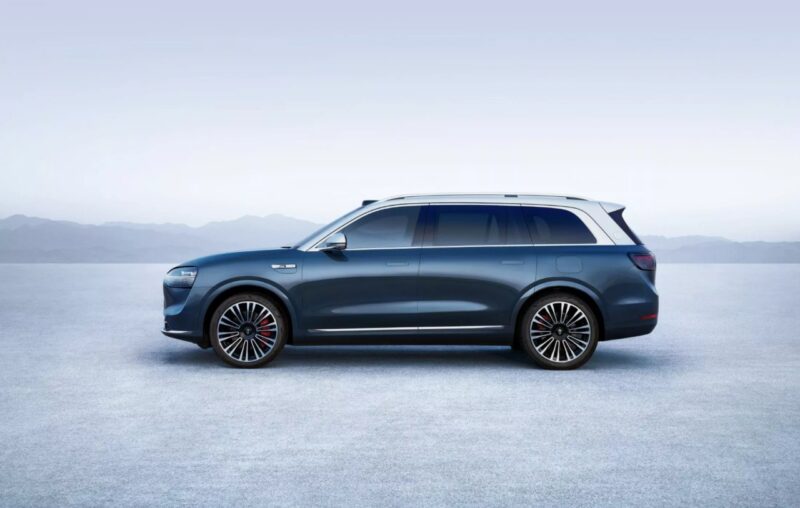
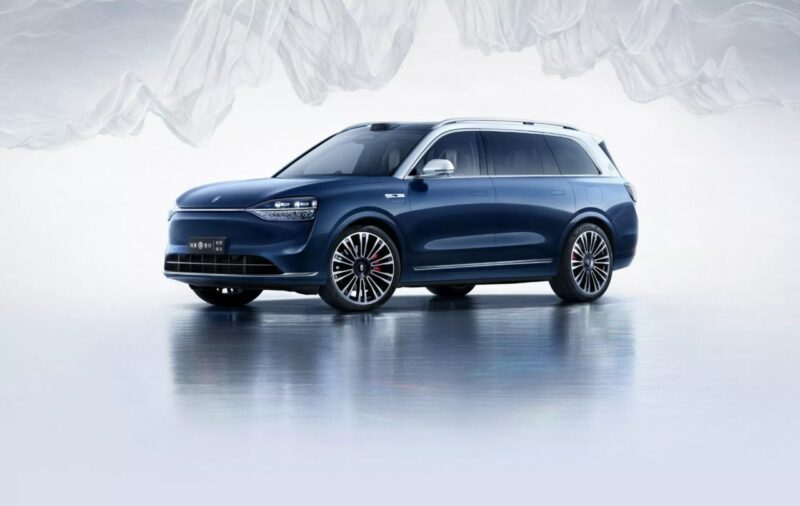
The new Huawei-Seres cooperative company has recently launched the Aito M9 flagship six-seater SUV, featuring the latest Huawei technology.

It boasts dimensions larger than the BMW X7, with a length of 5,230 mm, width of 1,999 mm, height of 1,800 mm, wheelbase of 3,110 mm, and a drag coefficient as low as 0.264 Cd!

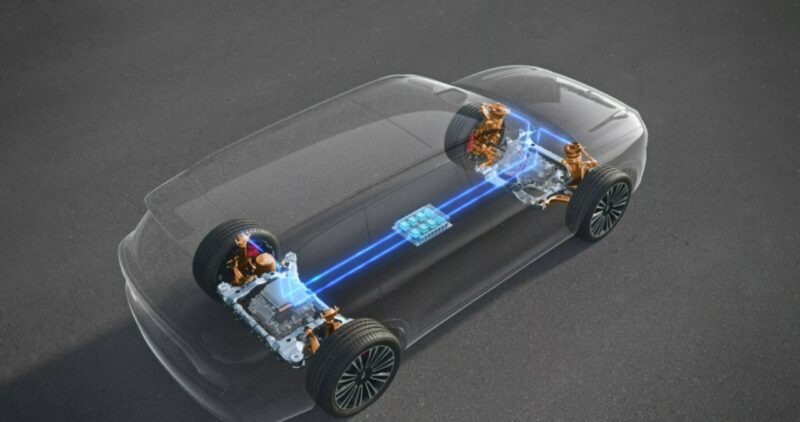
The M9 offers two powertrain options. The full electric version features two powerful electric motors delivering 523 hp, and a CATL 97.7 kWh battery pack providing a range of 630 km on a single full charge.

Meanwhile, the range extender version includes a 1.5-liter turbo engine acting as a power generator for two 490 hp electric motors and a CATL battery pack with a choice of 42 or 52 kWh capacity.

The range extender setup allows the M9 to travel between 1,362 and 1,402 km with a full battery charge and fuel tank.

An unique feature of the M9 model is the front-mounted projector, capable of transforming any flat surface into a 100-inch display, along with a cabin-mounted laser projector with a 32-inch panel.

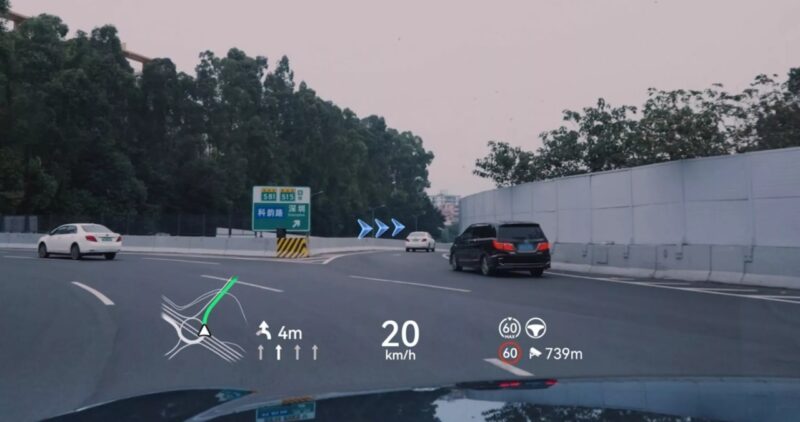
The M9’s dashboard hosts three screens: a 12.3-inch digital cluster, a 15.6-inch center screen, and a 16-inch front passenger display, as well as a 75-inch head-up display and a 2,080-watt audio system with 25 speakers and active noise reduction technology.

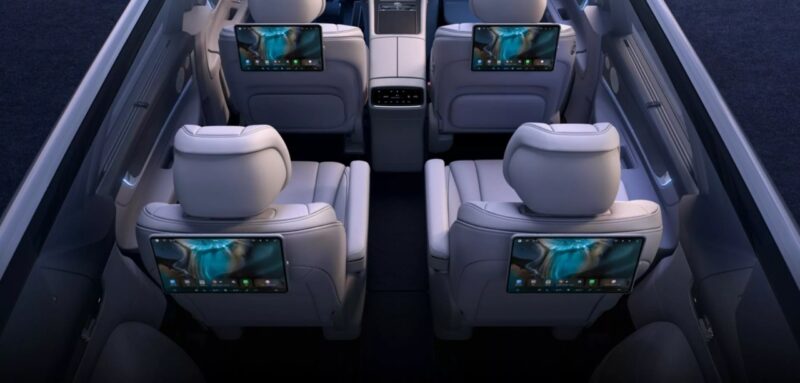
Additionally, there are four additional display tablets for rear passengers, all operated on the HarmonyOS 4 Huawei operating system.

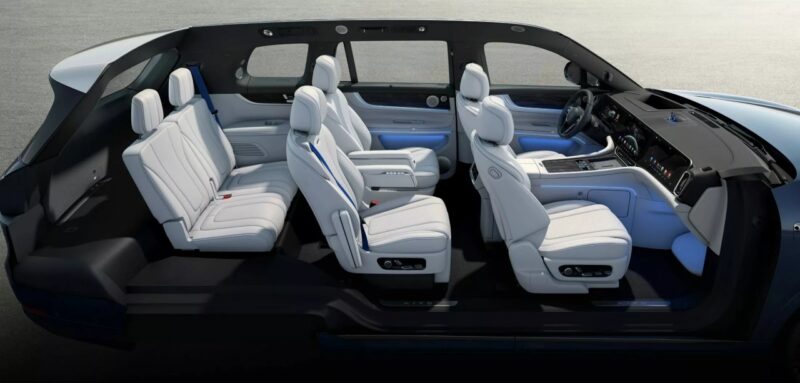
All six seats in the M9 cabin have electronically adjustable lumbar support, heating and ventilation functions, and can be configured as needed. In terms of safety, the Aito M9 is equipped with the Huawei ADS 2.0 system and 27 sensors.

In the Chinese market, the Aito M9 is available for order at prices ranging from 469,800 yuan to 569,800 yuan (RM304,481-RM369,292).

This Decathlon e-bike has an aluminum frame and will offer 160km range

I’m sure we are all familiar with Decathlon brand. A variety of sports goods and recreational activities can be found at the store, with affordable prices.

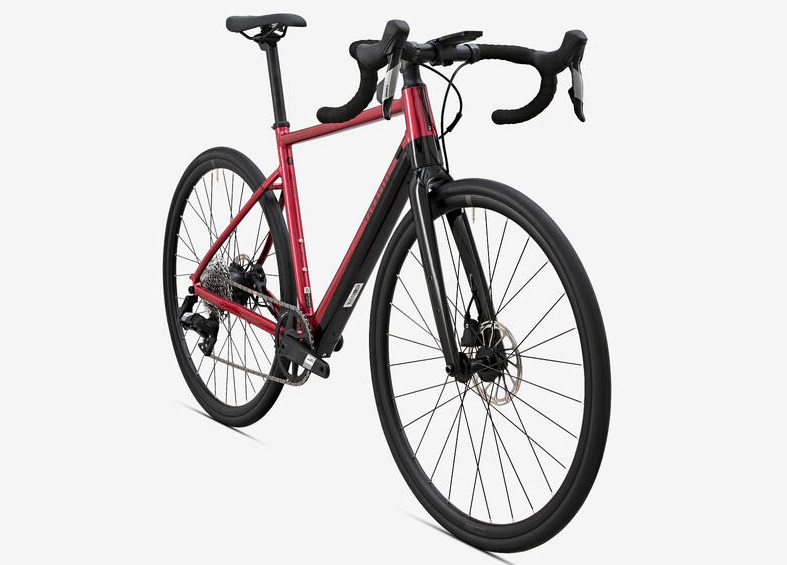
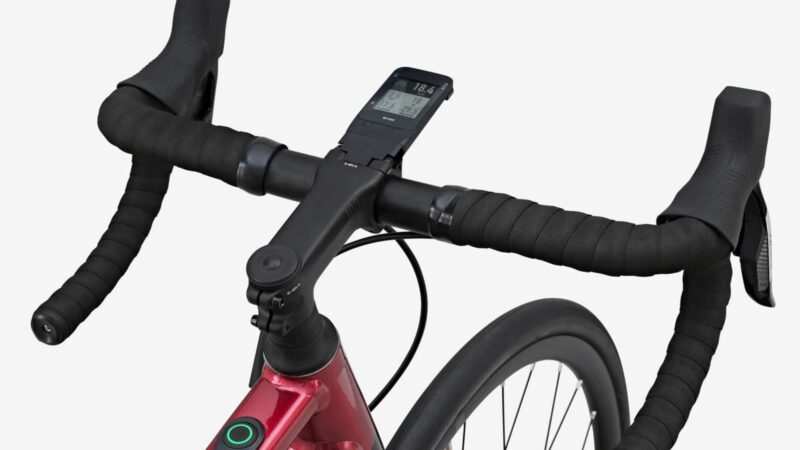
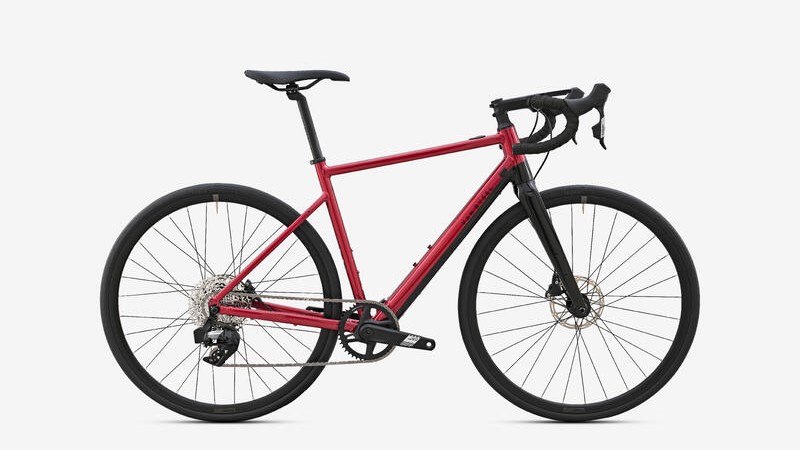
Don’t be unaware, Decathlon is now also starting to offer electric bicycle products under the brand Van Rysel. The bicycle, called the Van Rysel E-EDR AF Apex, is Decathlon’s first attempt in the ultra-light electric road bike segment using an aluminum frame weighing only about 14 kg.

Not only that, in addition to aluminum, this bicycle uses a front fork component made of carbon for a more agile handling.

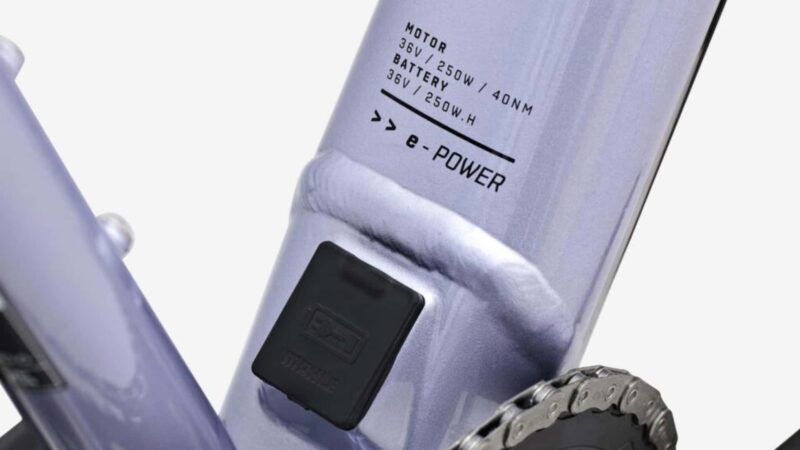
It uses a 250W (0.34 hp) Mahle X35 electric motor with 250 Nm torque and three assistance levels, coupled with a Sram APEX 12-speed gearing system, assisted by the Sram APEX hydraulic brake system.

The 250Wh 36-volt battery pack allows for a range of up to 160 km on a full charge. According to Decathlon, this new e-bike has undergone thorough real-world testing for six months.

Decathlon has priced the Van Rysel E-EDR AF Apex starting from 2,800 euros (RM14,318).

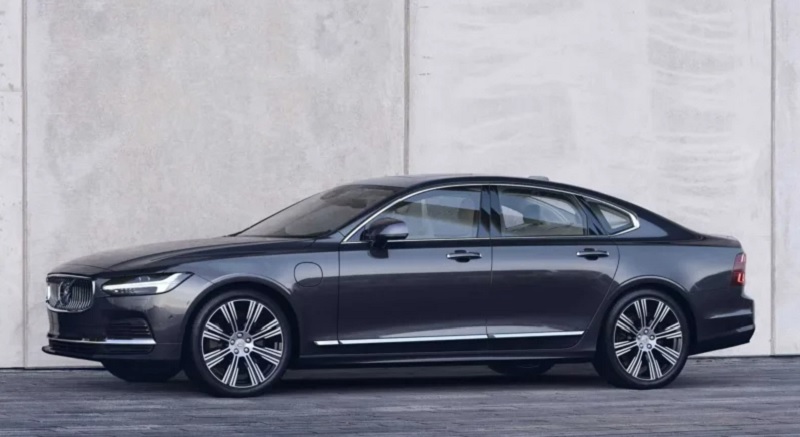
Pre-production of the Volvo ES90 electric sedan begins, to launch in May 2024?

The Swedish publication, Teknikens Värld, reports that Volvo has now commenced the pre-production of their first electric sedan.

This is based on secret images successfully obtained from the Cixi factory, Zhejiang Province, along with internal memos detailing the initial specifications of the electric sedan.

The EV with the internal codename V551 will be officially named the ES90 and shares the same SPA2 platform as the EX90 SUV model.

The Volvo ES90 measures 4,990 mm in length, 1,945 mm in width, 1,547 mm in height, with a wheelbase of 3,102 mm.

This positions the Volvo ES90 in direct competition with electric sedans in its segment such as the BMW i5, Mercedes-Benz EQE, and Audi A6 e-tron.

Furthermore, the electric sedan weighs approximately 2,600 kg for the dual-motor AWD version and 2,500 kg for the single-motor rear-wheel drive (RWD) version. The large 111 kWh battery pack offers a range of up to 600 km for the single-motor electric version.

According to the report, the serial production of the electric sedan is slated to commence in May 2024.