Tag Archives: electric

Maserati GranCabrio Folgore is a stylish EV droptop with 818hp and 447km range

The newly launched electric-powered GranCabrio Folgore by Maserati serves as an alternative and complement to the existing GranTurismo Folgore range.

Essentially, the GranCabrio Folgore model is a convertible with a foldable roof. However, overall, it shares many components with the GranTurismo Folgore model, including the electric powertrain unit.

It features a configuration of three radial-flux electric motors, consisting of two units at the rear axle and one unit at the front axle, each capable of producing a peak power of 300 kW (402 hp).

Due to battery technology limitations, Maserati claims that this convertible model can achieve a peak power of up to 818 hp/1,350 Nm in MaxBoost mode or up to 751 hp in standard driving mode.

The GranCabrio can accelerate from 0-100 km/h in just 2.8 seconds before reaching a top speed of 290 km/h. The GranCabrio Folgore is equipped with a T-shaped lithium-ion battery pack positioned on the floor, with a capacity of 92.5 kWh (83 kWh limit).

For a full charge, this model can travel between 419 km and 447 km, aided by a regenerative braking system capable of generating power up to 400 kW. The fast DC 270 kW charging allows you to add 100 km of range in five minutes or charge from 20 to 80 percent in 18 minutes.

As standard, the GranCabrio Folgore offers up to four driving modes: GT default mode, Sport mode, extreme driving mode Corsa, and high-efficiency mode Max Range.

For those who enjoy the wind in their hair, the GranCabrio Folgore’s roof can be folded in 14 seconds at speeds of up to 50 km/h. Reflecting its nature as a luxury car, owners can choose from up to five attractive colors: Nero, Blue Marine, Titan Grey, Greige, and Granata.

The GranCabrio Folgore’s cabin features characteristics such as a 12.2-inch digital cluster screen, a 12.3-inch infotainment screen, and an 8.8-inch third screen for HVAC control.

Additionally, it includes a steering wheel with heating function, brushed aluminum paddle shifters, and other standard features such as neck warmers, Sonus Faber audio system, and a digital clock that can be switched to display a compass, G-force meter, and chronograph. Buyers can also opt for sustainable material packages such as Econyl, made from recycled carpets and fishing nets.

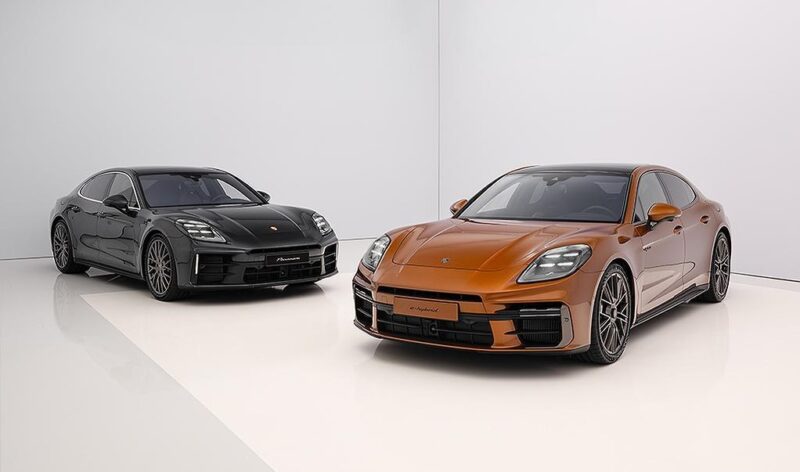
Porsche to use its V8 engine to into the next decade

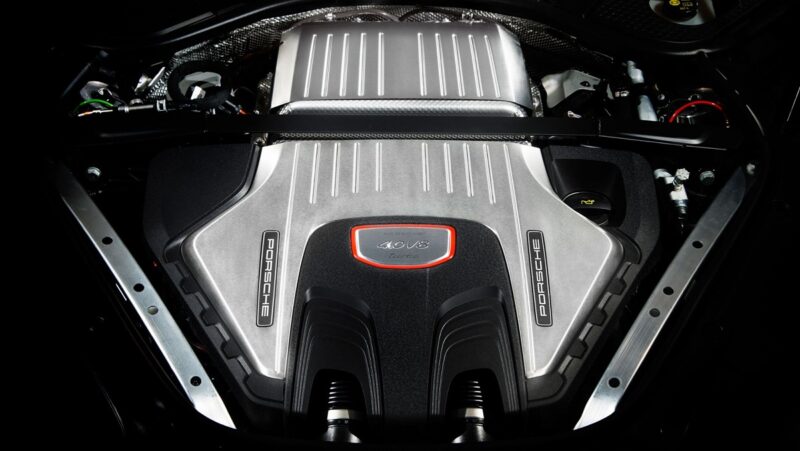
The trend of downsizing engine capacity may be prevalent now, but Porsche seems unwilling to halt the use of V8 engines. Despite increasingly stringent emissions standards, engineers at Zuffenhaus are always one step ahead.

Their eight-cylinder engine has been fine-tuned to comply with the latest Euro 7 standards, even though its implementation has been postponed from 2025 to 2030.

In an interview with the Australian magazine Car Sales, Thomas Freimuth, the head of the Porsche Panamera model line, revealed that new components are being developed to comply with Euro 7 standards.

He stated, “We found that this engine is ready for Euro 7, no problem. We need to use some components that are currently under development, so we are ready with this V8 to comply with Euro 7 standards.”

Freimuth also mentioned that the permissible exhaust noise level is expected to decrease, with stricter legislation complicating the process of delivering more emotion to our Panamera V8.

However, even though the V8 will continue to be used beyond 2030, it is likely that not many Porsche models will be equipped with the 4.0-liter twin-turbo engine by the end of the decade.

In the Annual and Sustainability Report 2023, released last month, Porsche expects to sell over 80% electric vehicle models annually by 2030. Nevertheless, they emphasized that achieving this goal depends on “the demand of our customers and the development of electromobility in specific regions of the world.”

Porsche’s foray into electric vehicles began with the Taycan in 2019, followed by the fully electric second-generation Macan. The 718 Boxster and 718 Cayman are expected to follow suit in 2025.

The successor to the current Cayenne has also been confirmed to be an electric vehicle without an internal combustion engine. Meanwhile, the 911 won’t become a fully electric model this decade, but a hybrid version will debut in the middle of this year with the 992.2 facelift.

Porsche aims to continue using internal combustion engines (ICE) with nearly carbon-neutral synthetic fuel, which they are currently developing in Chile.

BYD officiates new 3S centre in Melaka

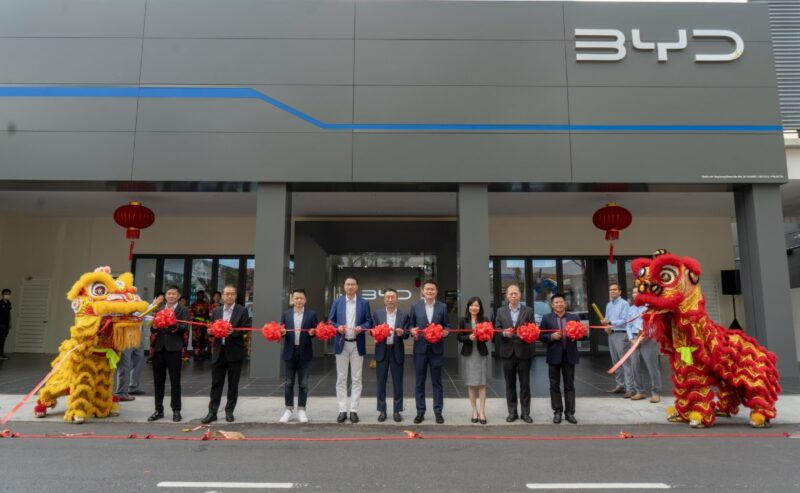
BYD, a rapidly expanding electric vehicle (EV) manufacturer, has announced the official opening of its new 3S center in Melaka.

Located in the heart of the historical city, the 3S center is managed by BYD Sing Kwung Motors, providing sales and after-sales services to BYD customers in the area.

“We are excited to inaugurate our newest 3S center in Melaka, showcasing our dedication to serving customers in Malaysia,” said Mr. Jeffrey Gan, Managing Director of Southeast Asia, Sime Darby Motors Malaysia.

“The newly opened 3S center will offer a range of services, including sales consultations, test drives, and after-sales services,” mentioned Mr. Ng Sin Yean, Managing Director of BYD Sing Kwung Motors.

“Customers can explore BYD’s latest electric vehicle models known for their technological sophistication, performance excellence, and eco-friendly features,” he added.

With the opening of this new 3S center, BYD underscores its commitment to sustainable transportation and innovation in Melaka.

BYD aims to establish 30 retail outlets across the country by the end of 2024.

Tesla’s latest EV chargers in Malaysia is the biggest one in Southeast Asia

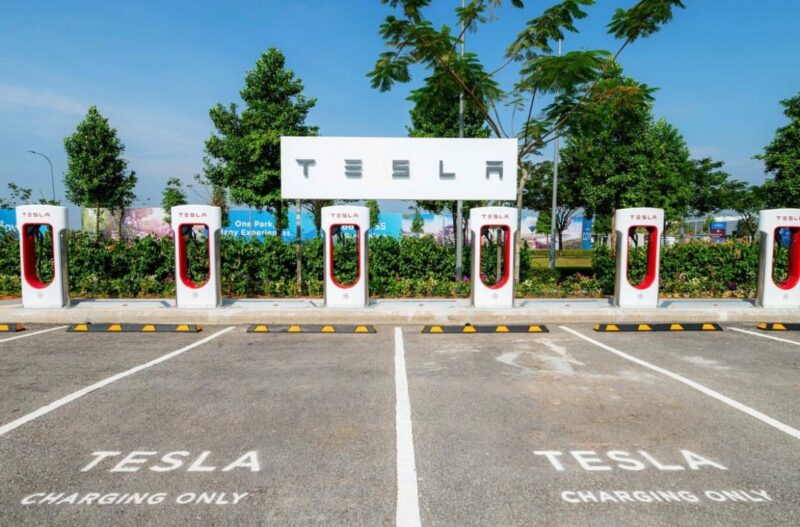
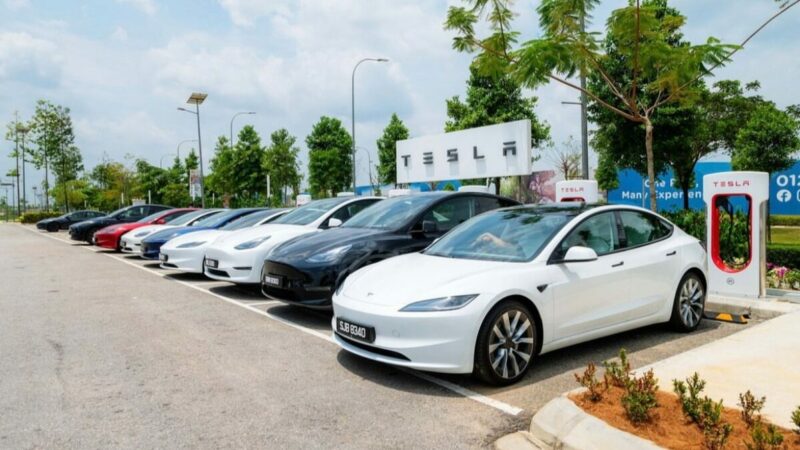
Malaysia now has the largest electric vehicle (EV) charging station in Southeast Asia, located at Gamuda Cove in Kuala Langat. This state-of-the-art facility is the latest addition to Tesla’s charging network in Malaysia, comprising six Superchargers and 18 Destination Chargers.

The expansion of Tesla’s charging infrastructure in Malaysia includes the following previously established stations:

  • Pavilion Bukit Jalil: 6 Superchargers, 2 Destination Chargers
  • Tesla Service Centre Cyberjaya: 4 Superchargers, 4 Destination Chargers
  • Sunway Big Box Iskandar Puteri Johor: 4 Superchargers, 3 Destination Chargers
  • Freeport A’Famosa Outlet Melaka: 4 Superchargers, 1 Destination Charger
  • Pavilion KL: 8 Superchargers
  • Sunway Pyramid: 4 Superchargers
  • The Ship Campus Penang: 8 Destination Chargers
  • Sunway Velocity Mall KL: 6 Destination Chargers
  • Sunway Putra Mall KL: 6 Destination Chargers
  • Pavilion Damansara Heights: 5 Destination Chargers
  • All Seasons Place Penang: 4 Destination Chargers

In total, Tesla now operates 36 Superchargers and 55 Destination Chargers across the country. Notably, the charging fees are uniform across all stations.

The Supercharger, capable of charging at rates of up to 250kW, offers its services at a rate of RM1.25/kWh, with an additional idle fee of RM4.00 per minute when the station is at full capacity.

Mercedes Vision EQXX completed 1,000km journey with 300km range left!

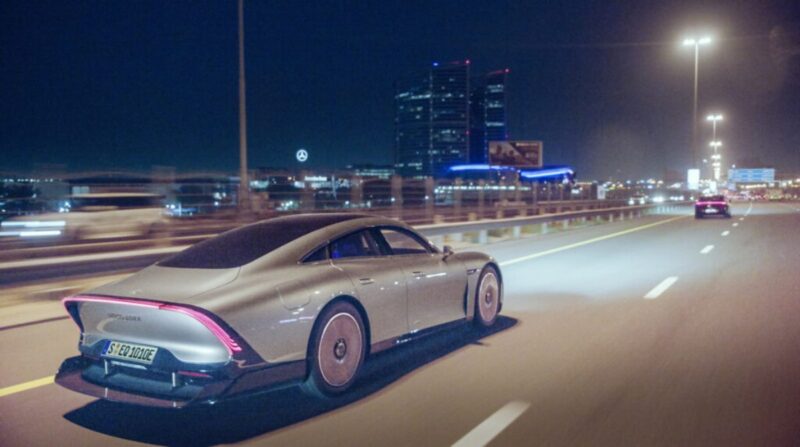
MERCEDES has once again sent their electric vehicle (EV) concept car – Vision EQXX – on a long-distance journey to test its efficiency. This time, it was tested in the Arabian Peninsula to demonstrate that EVs can be driven long distances even in desert heat.

The Vision EQXX recently traveled a distance of 627.6 miles (1,010km) from the Mercedes-Benz Center in Riyadh, Saudi Arabia to the Mercedes-Benz Brand Center in Dubai, United Arab Emirates. The journey took 14 hours and 42 minutes.

Despite temperatures reaching 34 degrees Celsius, the EV remained efficient with a power usage of only 7.4kWh per 100km. For comparison, it recorded 8.3kWh/100km during a test from Germany to England.

The Vision EQXX also had a remaining range of 192 miles (309km) when it reached its destination in Dubai. This theoretically means that the EV can be driven for up to 820 miles (1,319km) on a full charge.

This test result is a positive outcome for Mercedes engineers as extreme temperatures (too hot or too cold) can have a negative impact on the driving range of EVs. To mitigate the impact of temperature on the batteries, the Vision EQXX uses a special heat pump to cool the cabin, which Mercedes claims has minimal effect on the driving range.

To further enhance power efficiency, the Vision EQXX test unit is equipped with 117 solar cells. During the test, these cells generated 1.8kWh of energy, adding a range of 15 miles (24km). Mercedes stated that they will incorporate this feature into the production cars.

Also tested during this driving trial is the smart assistance system. This system provides recommendations to the driver on how to drive more efficiently, and it is indeed intelligent.

In this case, it also takes into account crosswinds from the coast to help the driver maximize the battery range. During stops, it assists in finding the most ideal parking space to receive sunlight for recharging the solar system.

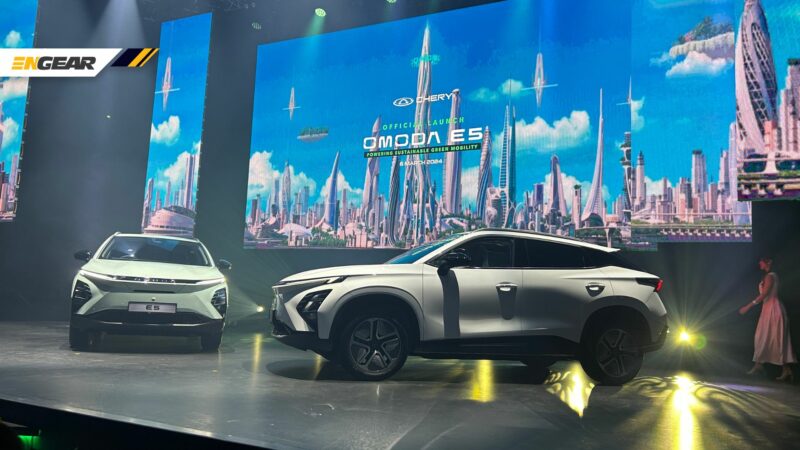
Chery Omoda E5 officially launch, RM147k, early birds get free Wallbox Charger installation

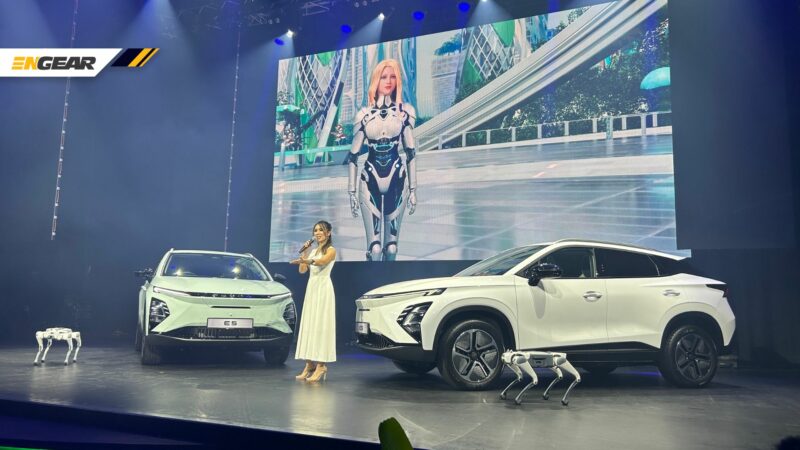
CHERY Omoda E5 has finally been officially launched today, becoming the newest contender in the fully electric SUV B-segment. It is offered with the following price and package:

  • RM146,800
  • 7-year warranty
  • 8-year battery warranty
  • Free battery replacement when Battery Health decreases to 70 percent In addition, the first 2,000 customers will also receive free installation of the V2L Charger Wallbox, and a RM1,000 charging credit.

The Omoda E5 comes with a 61kWh battery that provides a driving range of up to 430km. The output for the electric motor is 201hp and 340Nm torque. With fast DC charging, it can be charged from 30 to 80 percent in just 28 minutes.

In terms of appearance, the Omoda 5 EV does not have a grille like the petrol version; instead, its front space is enclosed. It also comes with aero rims for improved aerodynamic efficiency.

Furthermore, it features a curved 24.6-inch 2K high-definition screen powered by a Qualcomm chip. It also includes the Vehicle-to-Load (V2L) function.

The driving features of the Omoda E5 include Easy Start-Up, Creep, Pocket Brake, One Pedal Driving, and AGS Active Air Intake System.

Chery Omoda E5 also supports V2L functions, allowing external device charging such as ovens, grills, rice cookers, and even electric scooters.

Four colors are offered for the Omoda E5: Aqua Green, Khaki White, Phantom Grey, and Dark Black. There are also two cabin color options – Blue & Beige, or Black.

This EV SUV can now be pre-ordered at any of the 40 Chery sales representatives nationwide. What are your thoughts on the Chery Omoda E5 with the offered package?

2025 Hyundai Ioniq 5 gets bigger battery, now with rear wiper

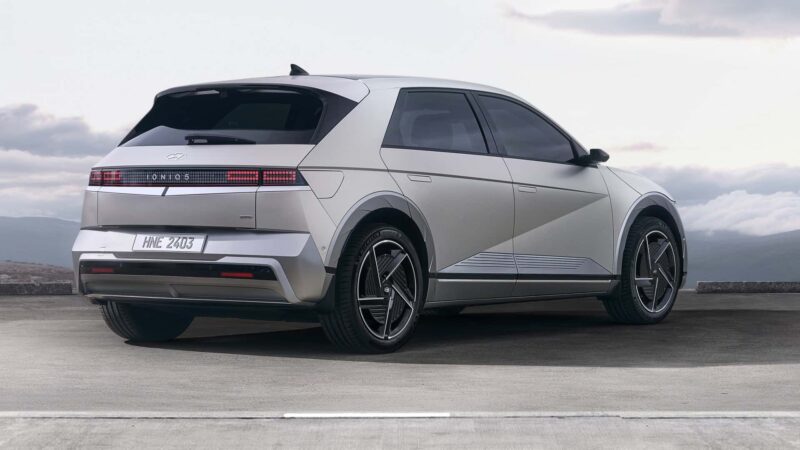
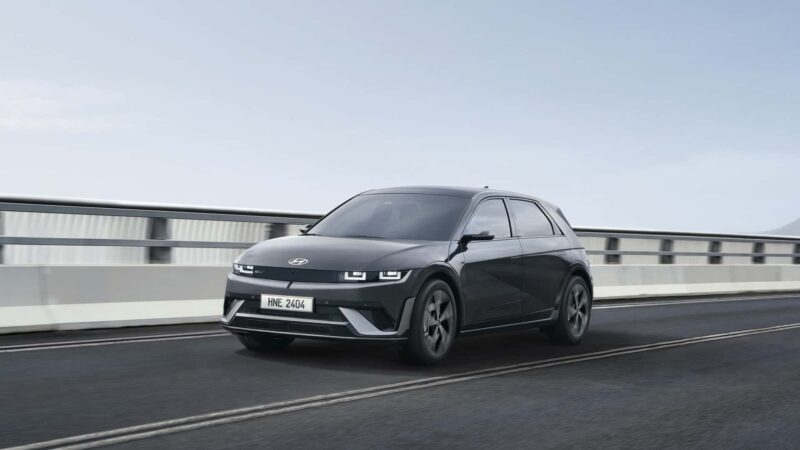
Whether you realize it or not, it has been three years since Hyundai launched the Ioniq 5 electric crossover in 2021. For the South Korean market, the EV has now been updated with several changes in terms of exterior design, a larger battery pack, and the introduction of the new N Line variant.

The intended design changes are not very significant. What has changed are the front and rear bumper units that have been revised, more aerodynamic alloy rims, the addition of a rear wiper, and a larger rear spoiler. Due to the bumper design, the length dimensions of this EV have also increased by 20 mm to 4,655 mm.

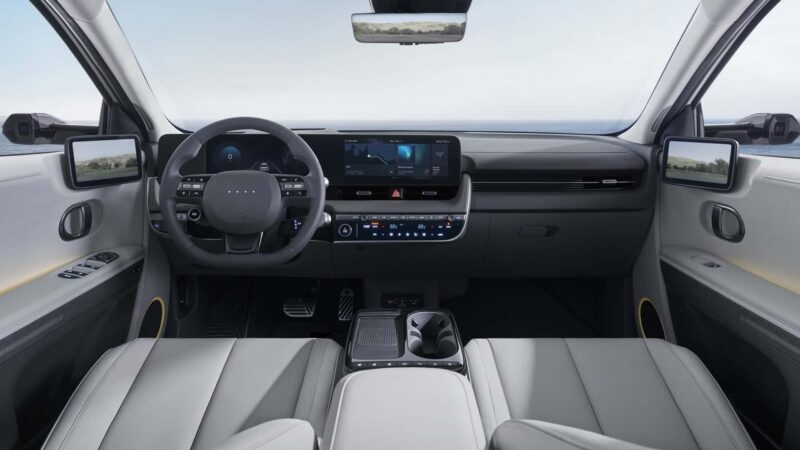
Regarding the cabin space, the layout of the dashboard seems to have remained largely unchanged, except for the addition of physical control buttons on the center console for functions such as seat heating and steering wheel heating, as well as parking assistance buttons. Meanwhile, the control panel for the air conditioning system has also been redesigned for easier operation.

If you’ve noticed, the Ioniq 5 now comes equipped with a side view camera system, where the images from the camera are displayed through two screens at the end of the dashboard.

The facelifted Ioniq 5 also received a larger 84 kWh battery pack compared to the previous 77.4 kWh unit, which is seen to have a positive impact on the driving range compared to the pre-facelift model. As a reference, the previous Ioniq 5 was able to travel up to 507 km using the 77.4 kWh battery pack (WLTP data).

Behind the fresher exterior appearance, Hyundai engineers have reworked aspects of the suspension for smoother driving, as well as increased the rigidity of the cowl crossbar component to reduce steering wheel vibration.

The facelifted Hyundai Ioniq 5 is also now safer, thanks to the reinforcement of the rear wheels, underbody, doors and B-pillars, as well as the addition of airbags on the second-row sides – making a total of eight airbags!

Finally, Hyundai has improved the sound insulation of the rear electric motor, making the NVH (noise, vibration, and harshness) levels quieter.

As for the new variant, the Hyundai Ioniq 5 is now available in the N Line trim, offering specific body kits, N Line badges, new 20-inch alloy wheels, a different steering wheel design, sports seats, new accents on the dashboard, and steel pedals.

Hyundai also mentions a more dynamic driving experience, indicating that the Ioniq 5 N Line has received special tuning on the chassis for an enhanced driving experience.

MG returns to Malaysia with two new models – MG4 and ZS EV, from RM104k

For those born in the 1990s or earlier, they must have heard of the MG brand. After a while, it has now returned to Malaysia under the Chinese manufacturer, SAIC Motor.

As a sign of the British brand’s return, they have introduced two models to the Malaysian market – MG4 and ZS EV. Both are fully electric models. Let’s take a detailed look at them.

MG4

The MG4 is a hatchback EV with four variants offered for the Malaysian market. Here are the estimated prices:

MG4 Standard: From RM104,000
MG4 Lux: From RM129,000
MG4 Lux Extended Range: From RM149,000
MG4 XPOWER: From RM159,000

Out of the four variants offered, you can choose a battery pack ranging from 51kWh to 77kWh, with a driving range of 350km to 520km per charge.

Here are the technical details of each variant:

The MG4 measures 4,287mm in length, with a wheelbase of 2,705mm. According to MG, the battery in this MG4 is the flattest and thinnest in its class, at only 110mm. This EV has a cargo capacity of 363 liters, which can be expanded to 1,177 liters.

Most notably, it has a 50:50 front-to-rear weight distribution and rear-wheel drive. This undoubtedly provides the MG4 with a sporty driving experience.

MG features the MG Pilot safety package, including features such as Front Collision Warning, Automatic Emergency Braking with Pedestrian and Bicycle Detection, Adaptive Cruise Control, Traffic Jam Assistance, Lane Keeping Assistance, and Intelligent High Beam Assist.

Higher-end variants receive additional features such as Blind Spot Detection, Lane Change Assist, Door Opening Warning, and a 360-degree camera.

MG iSMART is also a standard feature for this model, allowing voice commands to be activated by addressing “Hello MG.” MG iSMART can also start the engine or activate the air conditioning from a distance using a mobile device.

The MG4 comes in seven color options – Volcano Orange, Holborn Blue, Dynamic Red, Arctic White, Camden Grey, Black Pearl, Monument Silver, and Racing Green (XPOWER only).

This model is also covered by a seven-year or 150,000km (whichever comes first) warranty, as well as an eight-year or 180,000km battery warranty.

ZS EV

Meanwhile, the ZS EV is an electric model of the ZS SUV. It comes in one variant with an estimated price of RM129,000.

This B-segment SUV will compete with models such as the Chery Omoda E5, Honda HR-V, Proton X50, Mazda CX-3, and Toyota Corolla Cross.

The MG ZS EV is equipped with a 51.1kWh lithium-ion battery that provides a range of 320km. The maximum output is 176PS and 280Nm of torque, sufficient to accelerate from 0 to 100km/h in 8 seconds. AC charging will take eight hours, while DC charging at 50kW requires 54 minutes.

Standard features of the MG ZS EV include Silverstone LED lights, carbon fiber trim in the cabin, a 7-inch digital instrument display, wireless charging, a panoramic sunroof, and a cargo space of 448 liters expandable to 1,187 liters.

Safety features include Front Collision Warning, Automatic Emergency Braking, Traffic Jam Assistance, Lane Departure Warning, Lane Keeping Assistance, Blind Spot Detection, and more.

Similar to the MG4, the ZS EV is covered by a similar warranty of seven years or 150,000km, along with an eight-year or 180,000km battery warranty. Color options include Dynamic Red, Arctic White, Black Pearl, and Monument Silver.

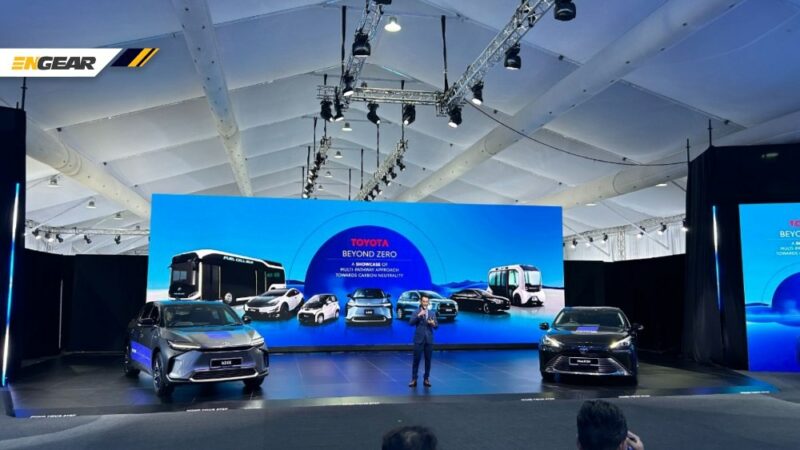
Beyond Zero showcases Toyota’s ideas on carbon neutrality

If you have been following the developments in the automotive industry, you will notice that Toyota does not believe that battery electric vehicles (BEVs) or EVs are the sole solution to carbon neutrality.

Instead, they are confident that there are several other ways to achieve it. Thus, Toyota is presenting Beyond Zero, an initiative of the brand towards Carbon Neutrality by 2050.

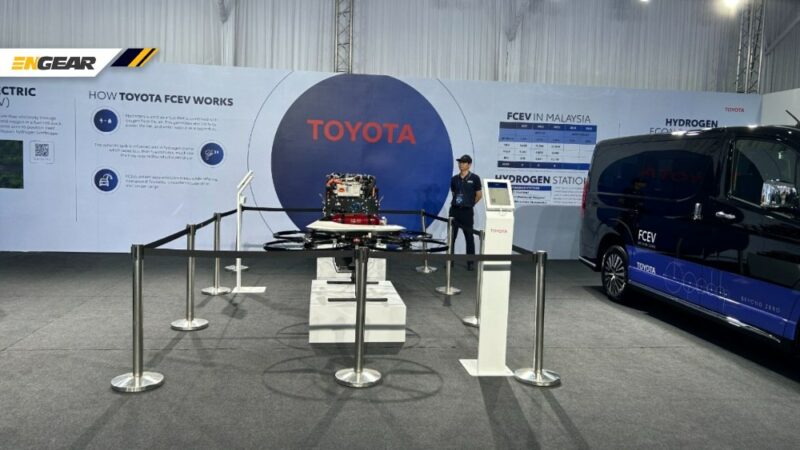
The event, which runs from February 20th to 28th and held at the Malaysia Technology Park, showcases a transformation initiative that demonstrates the brand’s commitment to sustainable and environmentally friendly practices.

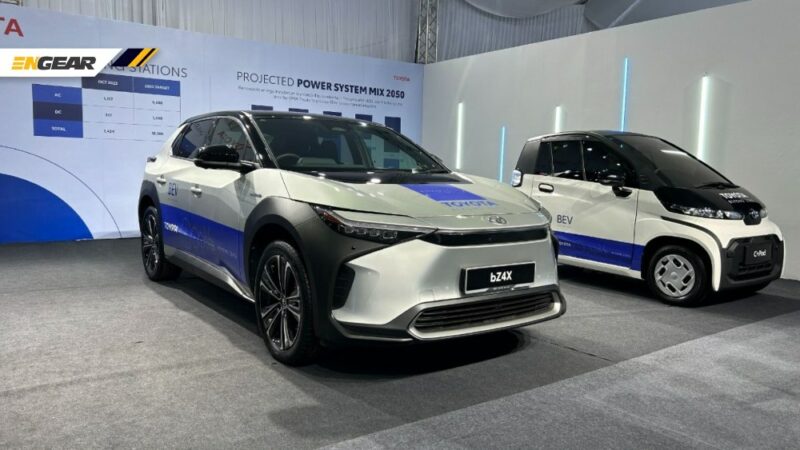
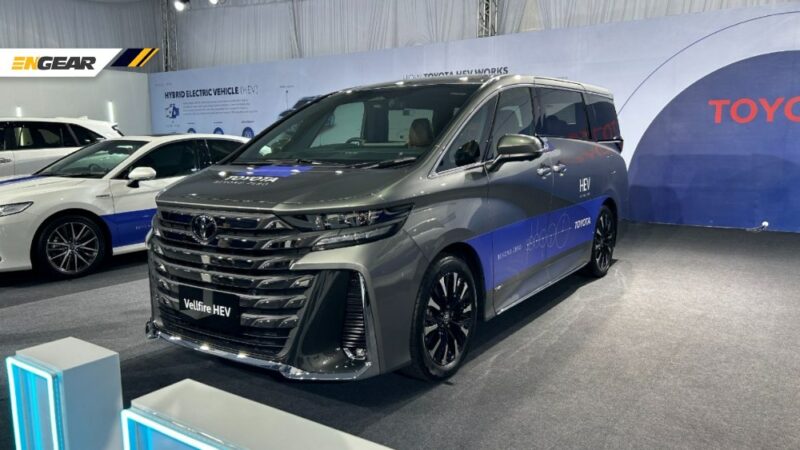
The Beyond Zero event was symbolically launched to showcase a diverse approach with various electrification technologies, including Hybrid Electric Vehicles (HEVs), Battery Electric Vehicles (BEVs), and Fuel Cell Electric Vehicles (FCEVs).

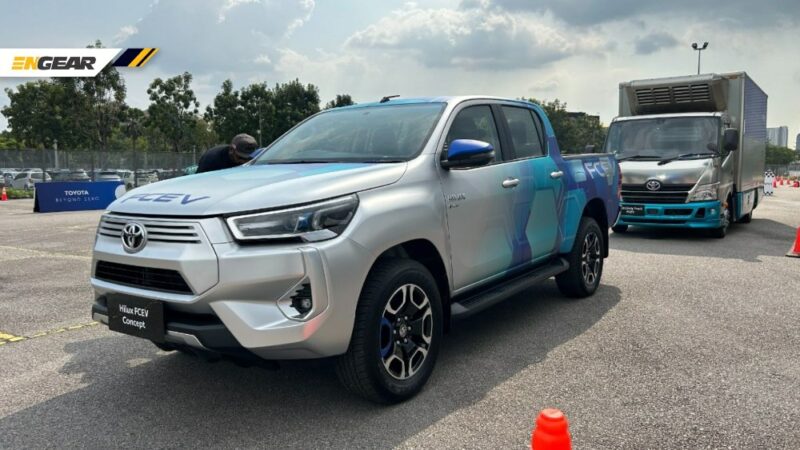
Among the BEV models presented are bZ4X, Hilux BEV REVO-e, and C+pod. For FCEVs, the models featured include Mirai, GranAce FCEV, and Hilux FCEV.

The Beyond Zero event is open to various guests to learn about sustainability initiatives and new technologies, and to test drive specific vehicles from February 20th to 28th, 2024.

The Minister of Investment, Trade, and Industry, YB Senator Tengku Datuk Seri Utama Zafrul Tengku Abdul Aziz, who officiated the event, praised UMW Toyota (UMWT) for the company’s commitment to sustainable practices and environmental conservation.

“Recognizing the importance of Malaysia’s transition to sustainable energy, we are driven by global commitments and the potential for economic diversification and energy security,” he said.

“Malaysia, recognized as the best country in Southeast Asia in the 2023 Energy Transition Index by the World Economic Forum, is on the right track to become a regional leader in energy transition.”

“Toyota’s innovative efforts in clean energy, through its diverse approach, are indeed aligned with our nation’s goals.”

The President of UMWT, Datuk Ravindran K. said, “We acknowledge the existence of various challenges and opportunities nationwide in our efforts to pursue a multi-pathway approach and implement appropriate life cycle actions in line with each national interest and Sustainable Development Goals (SDGs) of the country.”

“Recognizing the unique landscape of the Malaysian automotive industry, as well as its position as a major producer of electrical and electronic products in Southeast Asia, it is important for us to position ourselves appropriately in this journey.”

The ID.7 Tourer is VW’s first EV wagon, up to 685km range

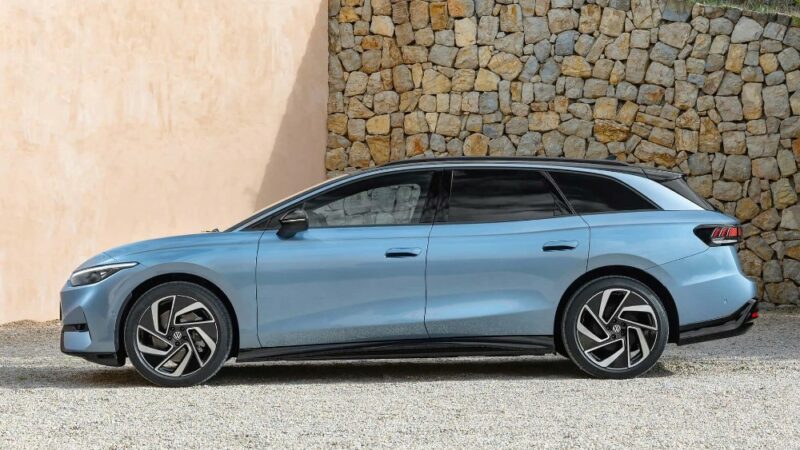
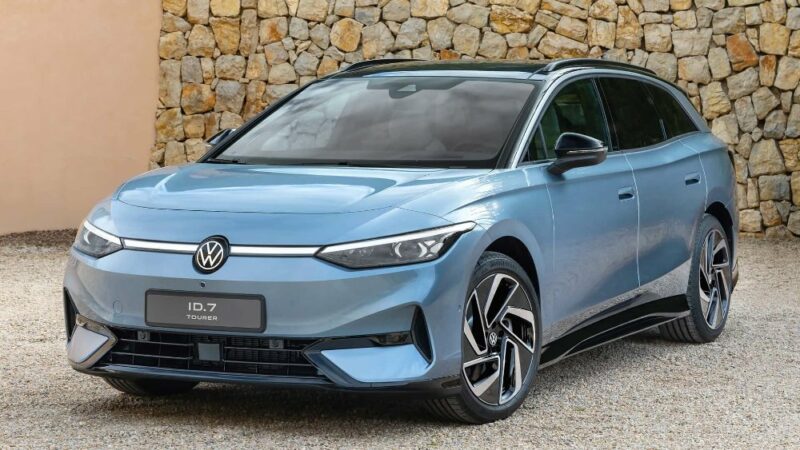
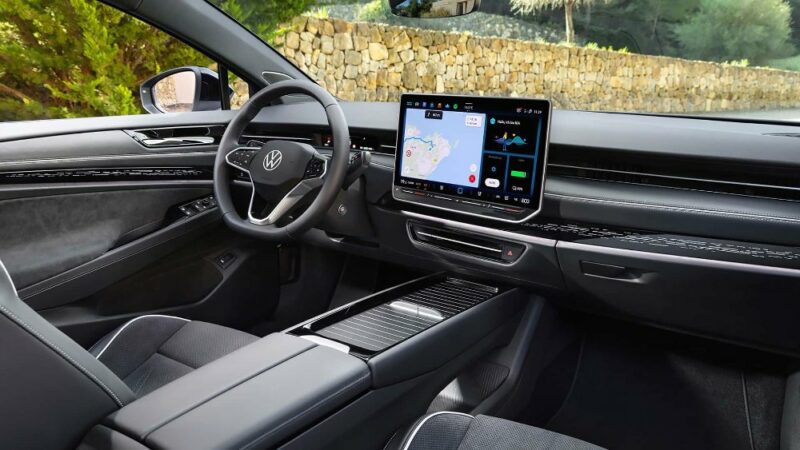
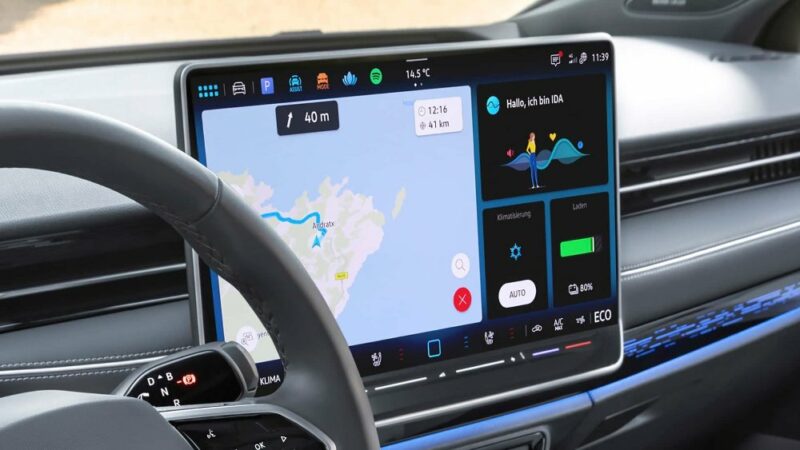
If you still remember 2019, Volkswagen once showcased the ID. Space Vizzion Concept, now in February 2024, they present its production version – the ID.7 Tourer.

This will mark Volkswagen’s entry into the electric wagon (EV) segment. The ID.7 Tourer joins the lineup of models such as the Golf Variant, Passat Variant, and Arteon Shooting Brake.

The VW ID.7 Tourer measures 4,961mm in length, 1,862mm in width, 1,536mm in height, with a wheelbase of 2,971mm.

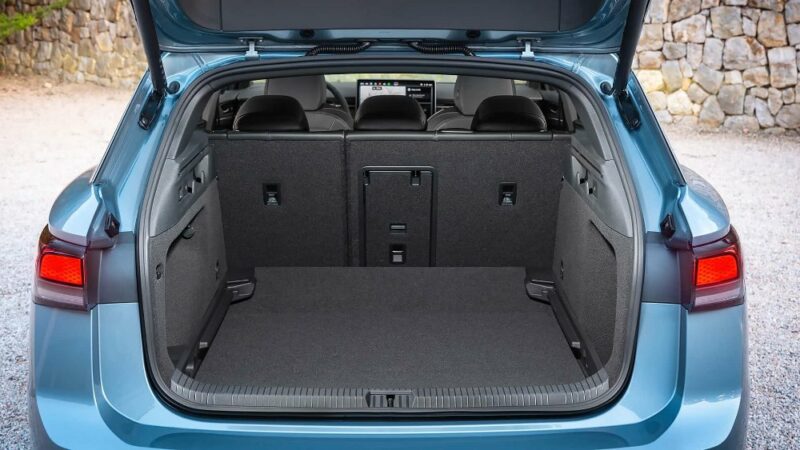
This EV wagon can accommodate 605 liters of cargo, which can be expanded to 1,714 liters when the rear seats are folded. VW also offers an additional roof box for those seeking more space, perhaps for long journeys or moving houses.

The exterior and interior design, as expected for Volkswagen, are distinctive. Essentially, it is an ID.7 with an elongated roof.

This Tourer version features a polymer-dispersed liquid crystal (PDLC) roof that can become transparent to allow light in, according to preference.

In terms of mechanics, the ID.7 Tourer is powered by a single electric motor at the rear, with an output of 282hp and 545Nm of torque. The Pro variant comes with a 77kWh battery pack, while the Pro S variant features an 86kWh battery.

With the larger battery, the ID.7 Tourer can travel up to 685km on a single charge. As for charging, it can achieve a range of 10% to 80% in less than 30 minutes using DC.

This EV wagon will be manufactured at the Emden factory in Germany, the same facility used for assembling the standard ID.7 and ID.4 models. The launch of this model is expected around mid-2024.

Ferrari is spotted testing Tesla Model S in Maranello

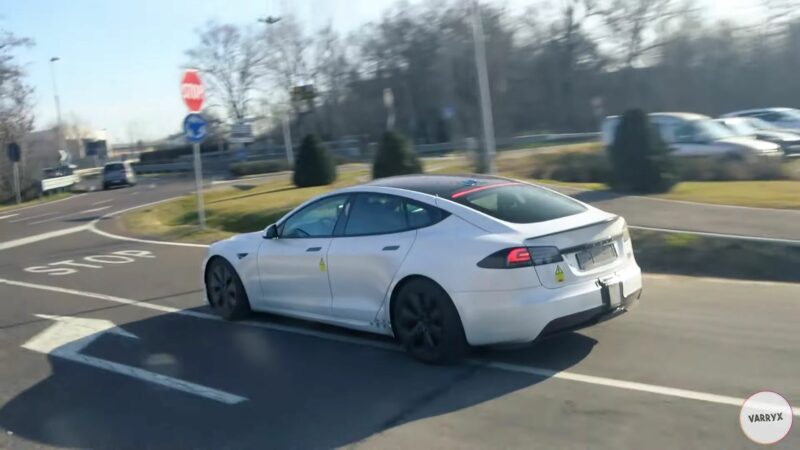
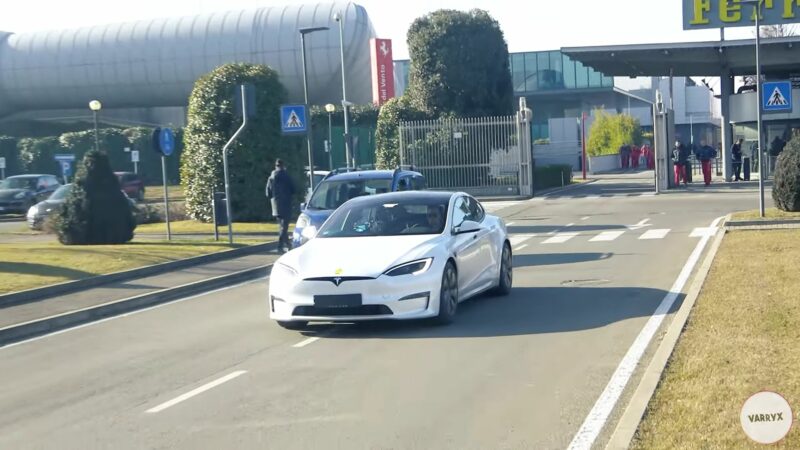
THE Prancing Horse brand is reported to be testing an electric-powered model near its manufacturing plant in Maranello.

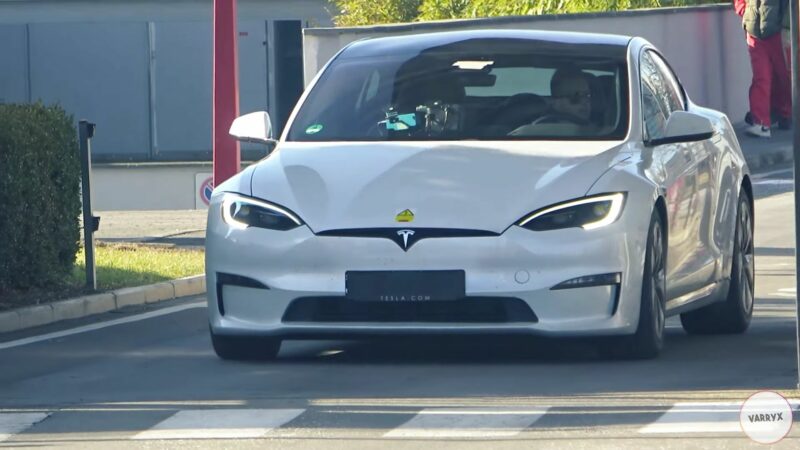
Based on a video by the Varryx YouTube channel, Ferrari engineers were seen selecting a Tesla Model S Plaid equipped with high-voltage stickers and 19-inch rims.

This is part of Ferrari’s preparation to launch an electric vehicle expected to debut in 2025.

By using the Tesla Model S Plaid as the test car, Ferrari’s first electric vehicle is likely to feature two to three electric motors and power that could potentially match the Lanzador model from its competitor, Lamborghini.

For reference, the Tesla Model S Plaid is capable of producing up to 1,020 hp, while the Lamborghini Lanzador can reach up to 1 megawatt (1,341 hp).

In recent years, many parties have begun using Tesla electric cars to study the engineering behind EVs, such as Porsche, Volvo, and Ford.

This is because Tesla was among the earliest to enter the EV arena and one of the first to offer electric vehicles with a relatively long range.

Therefore, it makes sense for other manufacturers to try to learn from the strengths and weaknesses of Tesla to apply them to their own products.

EDOTCO works with ChargeSini to install more than 200 new EV chargers nationwide

EDOTCO, the leading telecommunications infrastructure service company in Malaysia, has announced a collaboration with ChargeSini to revolutionize the electric vehicle (EV) infrastructure in the country.

This collaboration aligns with the national agenda outlined in the Low Carbon Mobility Blueprint 2021-2030, which aims to have 10,000 public EV charging stations installed nationwide by 2025.

EDOTCO and ChargeSini are expected to support this initiative by planning to install over 200 EV charging stations at indoor building locations within the next two years.
EDOTCO’s extensive experience in telecommunications infrastructure will facilitate this process by providing power supply and parking space at the selected locations.

“With over 13,000 EVs in Malaysia today, we are ready for a sudden increase to half a million EVs by 2025,” said Gayan Koralage, Malaysia Country Director at EDOTCO Group.

“Our infrastructure available at strategic locations such as shopping malls, airports, hospitals, universities, and smart street poles, seamlessly integrates with the growing EV ecosystem,” added Gayan.

Meanwhile, James Goh, CEO and founder of ChargeSini, stated, “This collaboration demonstrates the synergy between EDOTCO’s experience and ChargeSini’s approach to EV charging technology.

“Our collaboration is not only about developing EV infrastructure, it also accelerates the adoption of sustainable mobility in Malaysia,” he said.

EV owners in Norway having their own ways to endure winters

THE cold weather that has struck Chicago and several places in the United States has had some impact on the residents, especially Tesla EV owners.

Several media outlets have reported that a large number of Tesla electric cars were stranded at several fast DC charging stations. Some owners have complained that their cars are difficult to charge, and the charging time is much longer than usual. So, are electric cars not suitable for use in cold weather?

The answer may lie with the people of Norway, one of the countries with the highest EV adoption rates in the world. Norway is also one of the coldest countries, yet incidents involving electric car owners there are rare.

According to The New York Times, EV drivers in Norway have been accustomed to the practice of preheating their cars before starting their journey in freezing weather.

Furthermore, according to Lars Godbolt, an advisor to the Norwegian Electric Vehicle Association, the improved charging infrastructure in recent years has also contributed to shorter waiting times.

However, it is important to note that the majority of residents in Norway live in single-family homes, where 90 percent of EV owners have charging facilities at their own homes.

Another factor to consider is that residents of Norway typically spend only 30 minutes on average commuting from home to work, compared to an hour or more for residents of the United States.

This suggests that the suitability of electric cars in cold weather is not solely determined by the technology itself, but also by factors such as infrastructure and daily commuting patterns.

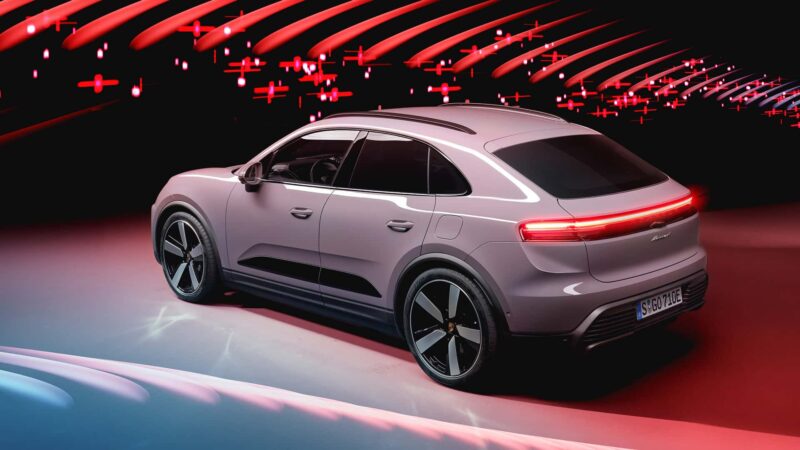
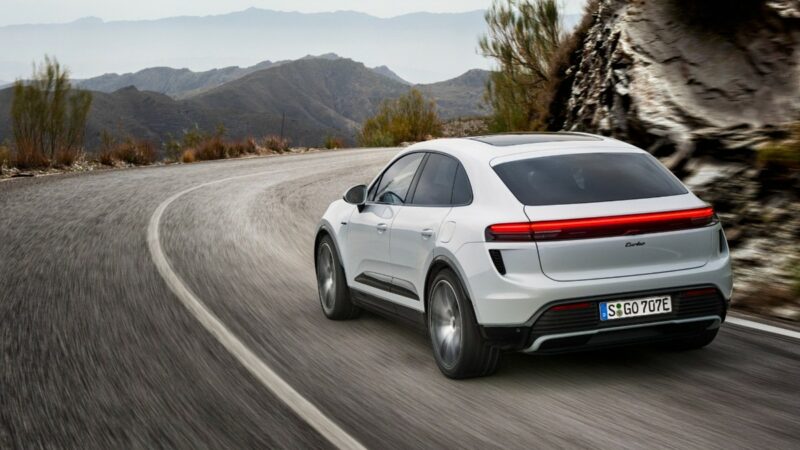
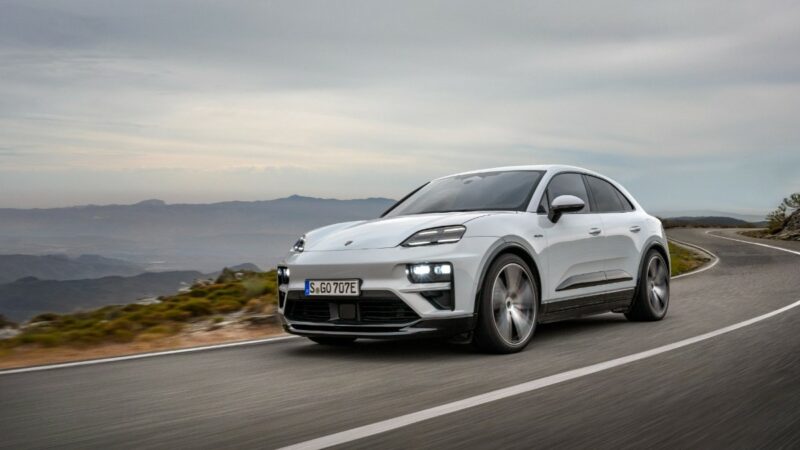
Second generation Porsche Macan now an EV – two variants, up to 630hp

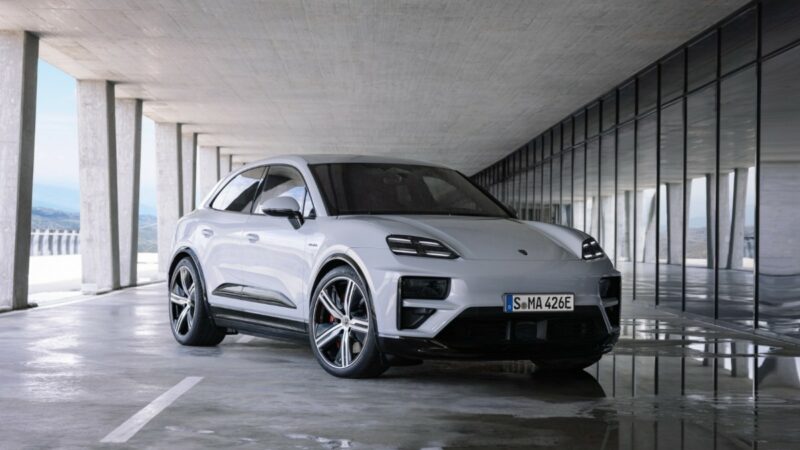
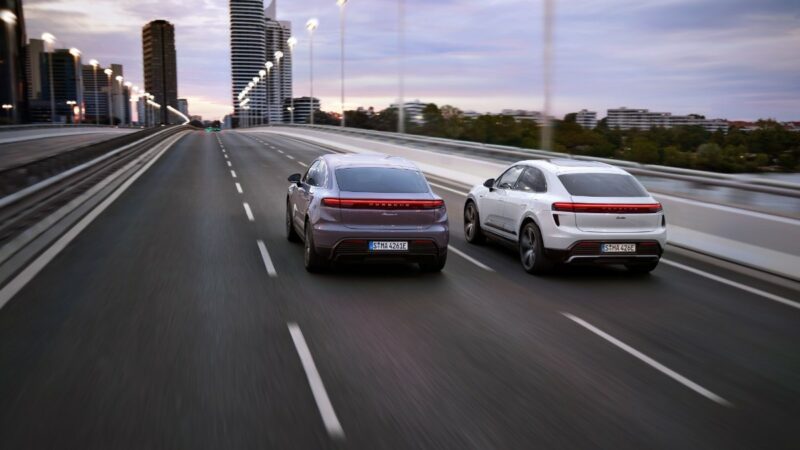
Ladies and gentlemen, here is the all-new, second-generation Porsche Macan. As reported previously, this SUV has evolved to become a fully electric vehicle (EV), no longer offered with an internal combustion engine (ICE).

Does this mean that the Porsche Macan has become a less appealing model? Not at all. It is offered with two options: the 402hp Macan 4 and the Turbo Macan with up to 630hp.

This new Porsche Macan is built on the Premium Platform Electric (PPE) developed in collaboration with Audi. This platform utilizes an 800-volt electrical architecture.

It is powered by a 95kWh Lithium-Nickel Manganese Cobalt battery, which can be fast-charged with up to 270kW DC chargers. The Macan 4 and Macan Turbo are driven by two synchronous permanent magnet electric motors. The rear motor rotates 180 degrees to provide a slightly rear-biased weight distribution.

As mentioned earlier, the maximum output for the Macan 4 is 402hp and 650Nm of torque, while the more powerful Macan Turbo generates up to 630hp and 1,130Nm of torque. However, these figures are based on Overboost mode during Launch Control.

What about performance? The Porsche Macan 4 can accelerate to 96km/h in 4.9 seconds, while the Macan Turbo can achieve the same in just 3.1 seconds. Their respective top speeds are 218km/h and 260km/h.

The maximum speeds for an EV seem quite high, don’t they? This is because the new Porsche Macan features a gear reduction system and does not use a two-speed gearbox like the one used in the Taycan.

As for the suspension, it utilizes a multi-link system at the front and rear. Air suspension and Porsche Active Suspension Management (PASM) are provided as standard. A new feature of the Macan is the rear-axle steering system, which can turn up to 5 degrees depending on the situation.

Now, let’s talk about the design. In this regard, it’s typical Porsche – an evolution rather than a revolution. The Macan retains a coupe-like shape, although it features Taycan-like daytime running lights at the front.

The front lights are now integrated into the bumper, and there is no longer a hood clamshell. Since there’s no engine, the hood is lower as well.

Porsche states that the Macan has a drag coefficient of only 0.25, achieved through active aerodynamics such as the rear spoiler, underbody paneling, and front bumper flaps.

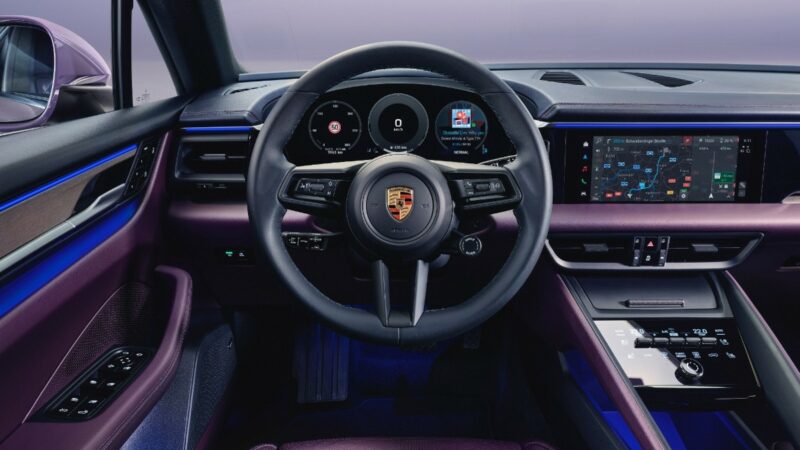
The interior space is similar to the latest Porsche models. It features a digital instrument panel with a curved screen, and in the middle, there is the latest generation infotainment system.

What is your opinion on the all-new, fully electric Porsche Macan generation?

TOGG T10F – Turkish first electric sedan with up to 435PS

Perhaps not many are aware, but behind the flood of electric vehicle (EV) brands from China, the world is now also welcoming the arrival of a new EV brand from Turkiye, namely Togg.

Togg, or its full name Türkiye’nin Otomobili Girişim Grubu (the Turkish Automobile Joint Venture Group), recently unveiled the T10F electric sedan at CES 2024, which is set to be marketed in Europe next year.

It is a fastback sedan in the C segment, where Togg describes this model as a connected smart device, not just a car. Based on a brief reference on the official website, this Togg T10F can be equipped with a single electric motor or dual electric motors.

The rear-wheel-drive (RWD) version is capable of accelerating from 0-100 km/h in 7.2 seconds, thanks to the powerful 218 PS electric motor and 350 Nm of torque.

The all-wheel-drive (AWD) version is even faster, going from 0-100 km/h in 4.6 seconds, with two more powerful electric motors (435 PS/700 Nm).

For full charging, the battery pack, whose capacity is not disclosed, can allow a range of 530 km (AWD) or up to 600 km (RWD version). The T10F supports rapid DC charging up to 180 kW, and charging from 20 to 80 percent can be completed in 28 minutes.

Togg also revealed the interior layout of this electric sedan, featuring a 12.3-inch cluster screen, a 29-inch infotainment screen, and a third 8-inch screen for HVAC control. Other features include a 500-liter cargo space, a heated steering wheel, and wireless smart device charging.

Yamaha establishes Enyring for e-bike battery swap in Europe, beginning 1H 2025

YAMAHA has announced the establishment of a new company called Enyring, which will offer battery exchange services based on subscription in Europe.

According to the official images provided, this Yamaha battery exchange service is seen to use smaller-sized battery units compared to Honda’s Mobile Power Pack e units.

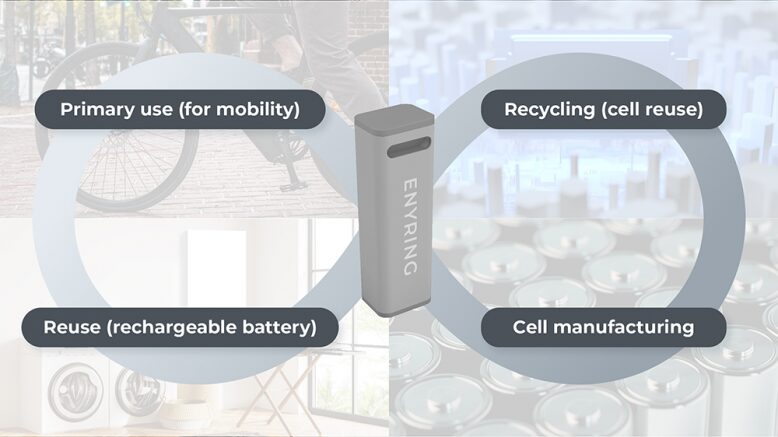
In addition to offering electric scooter battery exchange subscription plans to users, Enyring will also collaborate with leaders in Europe to recycle used batteries.

In doing so, Yamaha will create a closed-loop system that relies entirely on recycling materials to produce the latest products.

Enyring will be based in Berlin, Germany, with operations set to commence in the first half of 2025. To start, Enyring will establish battery exchange infrastructure in two major cities, Berlin and Amsterdam.

The selection of these two locations is considered highly suitable as the use of bicycles and electric scooters has already become popular among the local population.