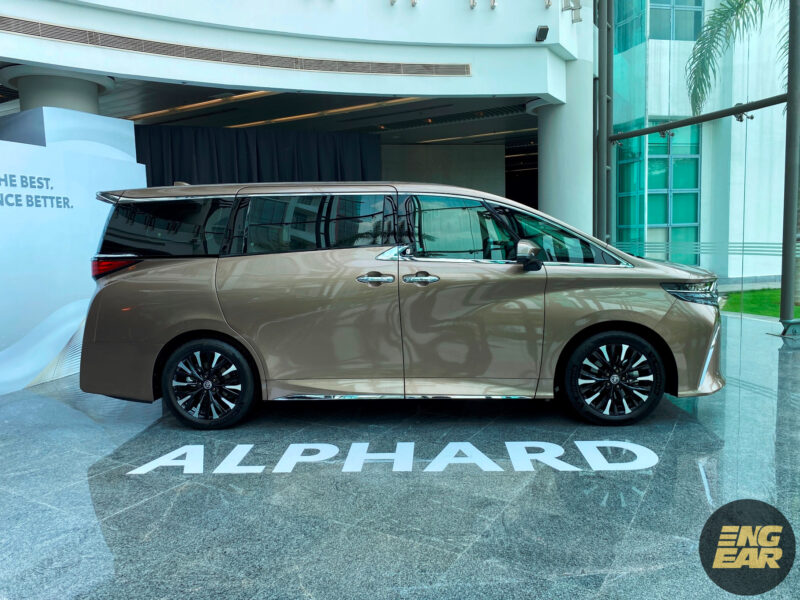
FROM afar, this Toyota Alphard appears to be a police patrol car or an ambulance, but upon closer inspection, the inscription on its body reads “POLITE” instead of “POLICE.”
This MPV in Singapore has attracted the attention of netizens and has been shared on the SG Road Vigilante Facebook page.
Scanning the QR code on the Alphard’s body will lead you to an ice cream shop’s website. Netizens have various comments and opinions in the comment section.
Some think it’s an interesting idea, while others say it’s “misleading” because it resembles an authority vehicle.
The owner, Goh Yong Wei, told The Straits Times that he has decorated his Toyota Alphard since last May, and road users often slow down their vehicles to give way.
He said, “As a driver and motorbike rider in Singapore, I find that the driving culture here is not gracious, especially during peak hours.
“I want to be noticed, I want the attention, I want people to see me and slow down to avoid a collision.”
Goh said he has been involved in more than 10 car and motorcycle accidents over the past four years, and the decals on this Alphard help him avoid accidents.
“I feel safer, and find it easier to drive around now. A lot of people in their cars giggle and show me a thumbs up. It makes for a very positive driving experience for me.”
However, the Singapore Police said they have received reports regarding this matter, and it is currently under investigation.
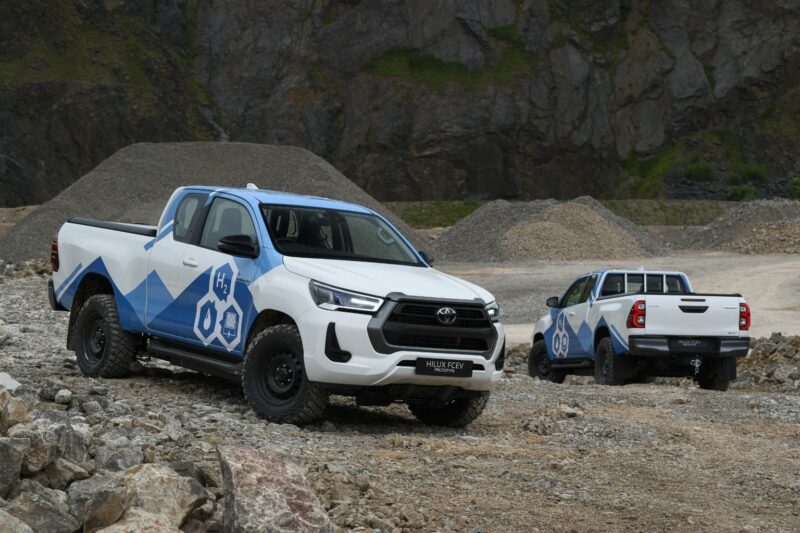
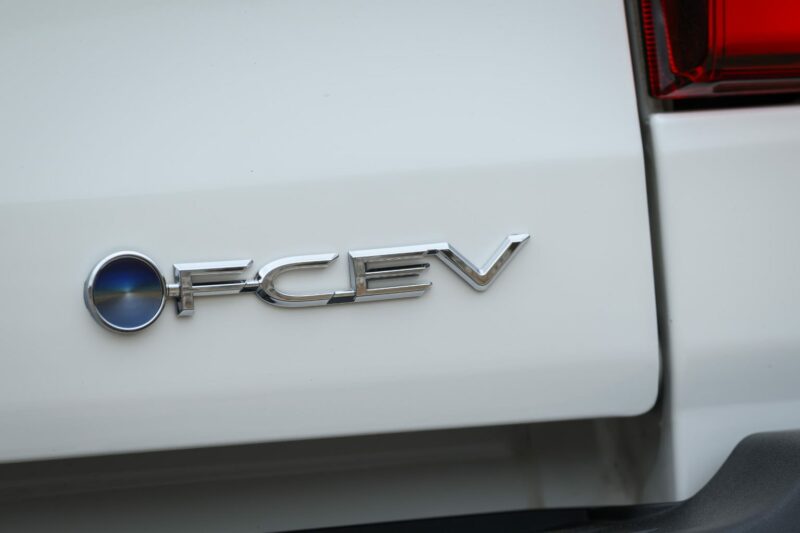
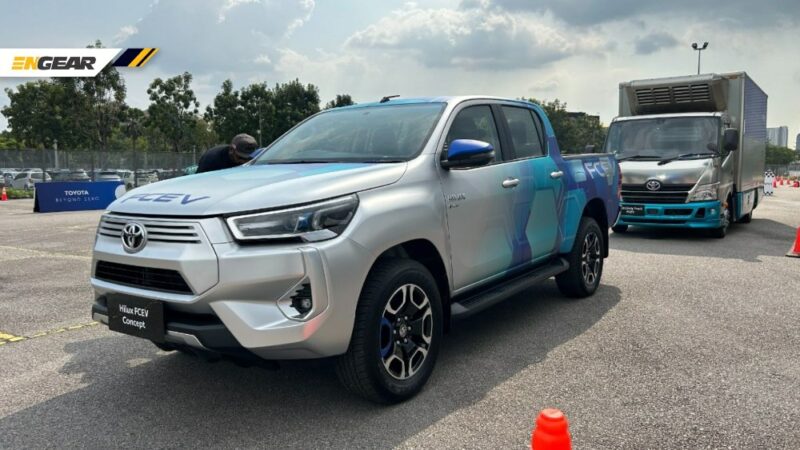
The Toyota Hilux hydrogen fuel cell (FCEV) development project, which was first announced in December 2022, has now entered its final phase.
According to Toyota, 10 Hilux FCEV prototypes have been built at the Toyota Motor Manufacturing UK (TMUK) plant in Derby, England.
Five vehicles are undergoing rigorous field testing to assess safety, performance, functionality, and durability, generating test drive data in real-world situations, while the other five are engaged in customer and media demonstrations, including at the forthcoming Olympic and Paralympic Games Paris 2024.
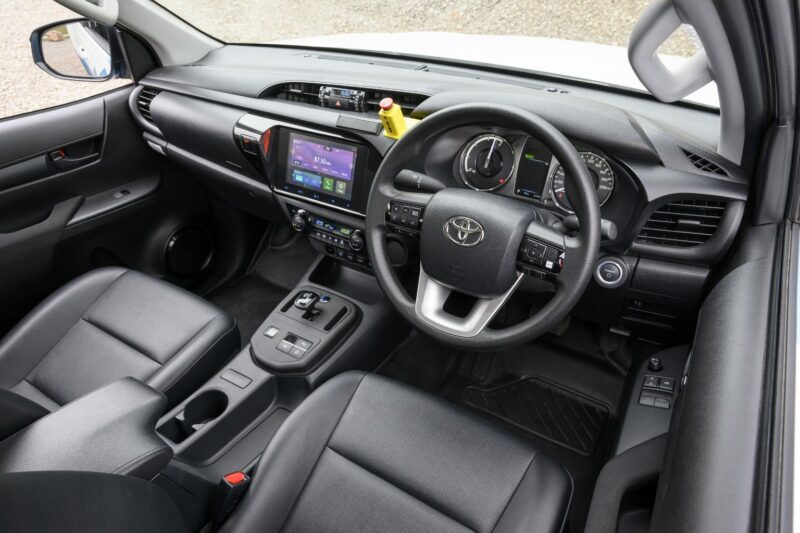
Externally, the fuel cell model has the same dimensions and rugged appearance as the latest Hilux generation but beneath the surface, there’s a ‘heart’ derived from the Mirai that offers a range of up to 600 km – further than might be achieved using a battery electric system.
And thanks to hydrogen’s light weight, the Hilux FCEV is said to have higher payload capacity and towing capability compared to other zero-emission alternatives
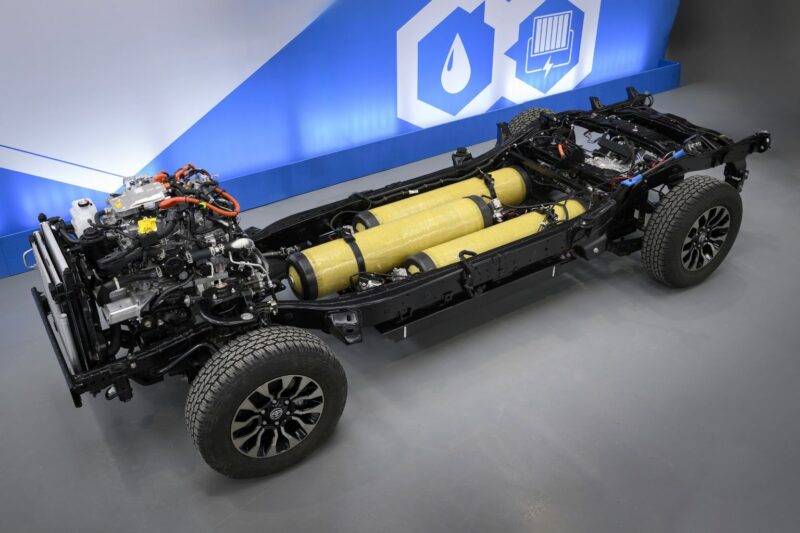
Hydrogen is stored in three high-pressure fuel tanks, each containing 2.6kg to give a total capacity of 7.8kg. The tanks are mounted within the vehicle’s ladder frame chassis.
At the front axle, there is polymer electrolyte fuel cell stack comprising 330 cells producing 174 PS, while mounted on the rear axle an electric motor generating 182 PS and 300 Nm of torque.
Meanwhile, the lithium-ion battery, which stores the electricity generated by the fuel cells, is located in the rear load deck, above the hydrogen tanks. This avoids any loss of cabin space.
Hydrogen fuel cell is one of the powertrains developed by Toyota as part of its previously announced multi-pathway strategy.
The company expects Europe to be one of the world’s largest hydrogen fuel markets by 2030. As a result, in December 2023, Toyota Motor Europe (TME) announced the Hydrogen Factory Europe to help accelerate the commercialization of the technology.
EVEN with the existing lineup of sports car models (GR Supra, GR Yaris, GR Corolla & GR86), Toyota Gazoo Racing plans to revive some iconic names that once dominated the world. These include the Toyota MR2/MRS and Toyota Starlet.
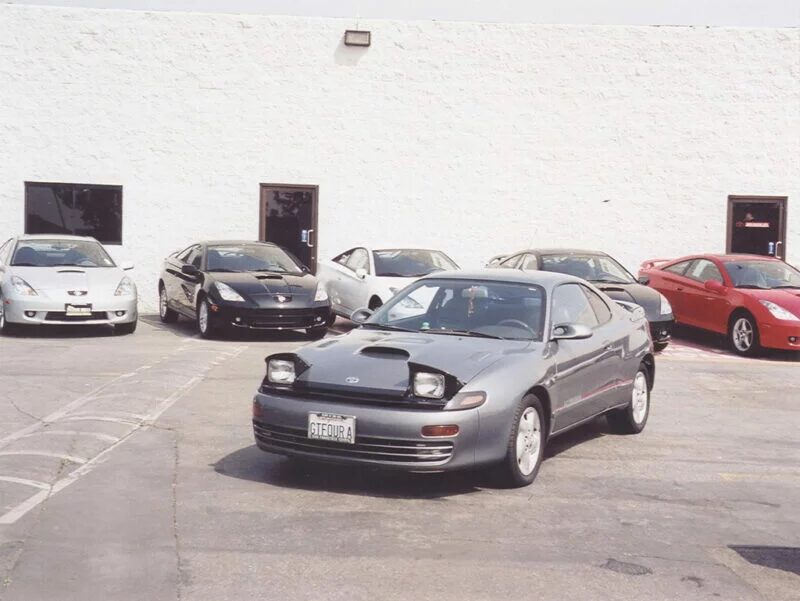
The latest report from Japan reveals that Toyota intends to resurrect the Celica name as one of the high-performance models under the Gazoo Racing brand.
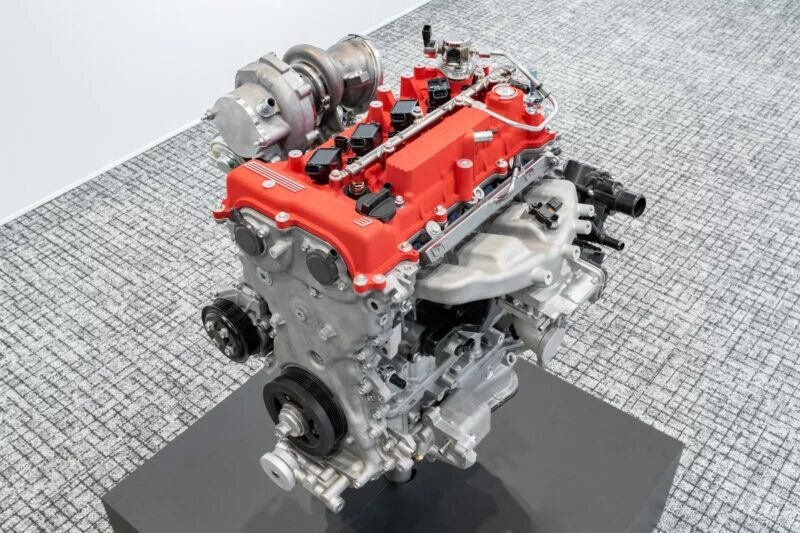
Unlike the rumors circulating last year, Toyota aims to take a more traditional approach, with the Celica re-emerging as a GR model paired with a 2.0L inline-four-cylinder engine producing 400 hp.
The Japanese publication also disclosed that the development of the high-performance engine had actually begun several years ago and would be fully ready before it is announced by Akio Toyoda at the 2024 Tokyo Auto Salon.
With the combination of the AWD GR-Four drive system, it is a fitting step to revive the spirit of the Celica GT-Four while simultaneously paying homage to the success of previous Celica models in rallying.
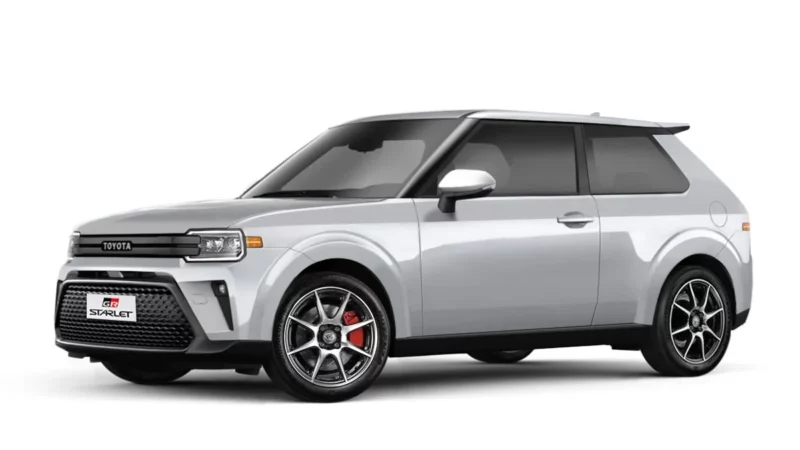
Best Car Web predicts that the new Celica model will be revealed as early as January next year at the 2025 Tokyo Auto Salon. In addition to the Celica, Toyota is reportedly developing a hot hatch version of the Starlet designed as a rally-focused vehicle in the Rally4 WRC class.
Unlike the more comprehensive and powerful GR Yaris, this ‘GR Starlet’ will utilize a smaller-displacement (1.3-liter) turbocharged inline-three-cylinder engine and a more compact front-wheel-drive system.
The same platform will also be used by Toyota for another entry-level rear-wheel-drive sports car model, the S-FR, which is said to be capable of generating up to 150 PS and 220 Nm of torque.
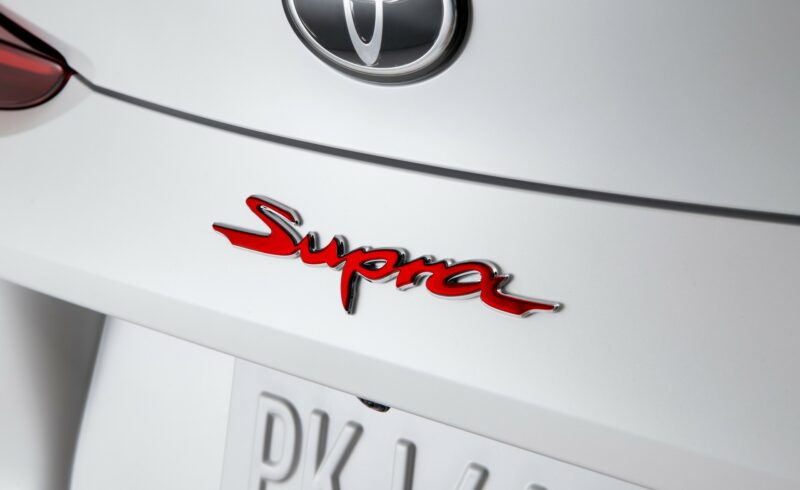
THIS is an unpleasant news, as you only have a two-year window to acquire a Toyota GR Supra grand tourer model before production ceases in 2026.
This is due to reports from Automobilwoche stating that vehicle manufacturer Magna Steyr, based in Graz, Austria, will lay off approximately 500 workers after the production of several key models like the BMW 5 Series, Jaguar E-Pace and I-Pace, and the Fisker Ocean comes to an end.
For your information, the same factory is also utilized to assemble the non-identical twin models BMW Z4 and Toyota GR Supra since 2019. Carscoops quoted Vice President of Toyota Motor North America, Dave Christ, who explained, “we collaborated with BMW, and it has been a success.”
He further added, “we will reassess the situation going forward. I think, if we want to build something, we will think about how to do it.” These statements suggest that Toyota is likely to develop a new generation of the GR Supra independently or potentially engage in a partnership with a different manufacturer.
The Toyota GR Supra is a high-performance mass-produced car created by Toyota Gazoo Racing, following its previous offerings of limited production models under the sub-brand GRMN (Gazoo Racing Meister of Nurburgring).
It comes in two engine versions, a 2.0-liter inline-four engine producing 258 hp and 400 Nm, or a 3.0-liter inline-six engine generating up to 382 hp and 500 Nm, powering the rear wheels.
Initially, the GR Supra was only available in an automatic version, with a specially developed manual transmission becoming available in 2022, limited to inline-6 engine Supra models.
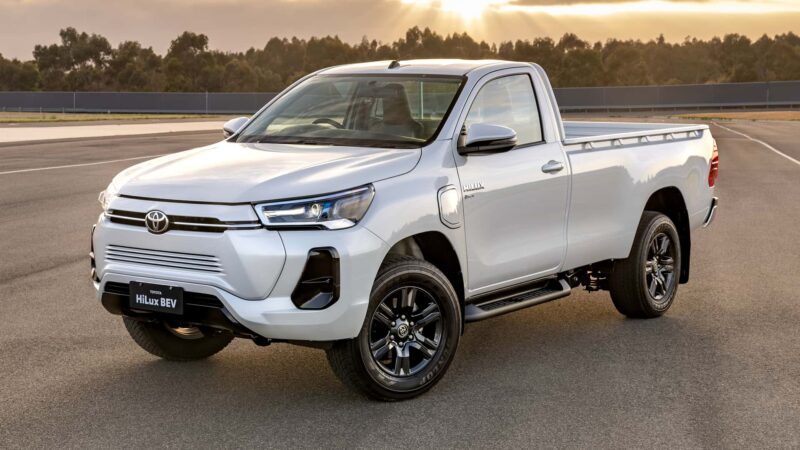
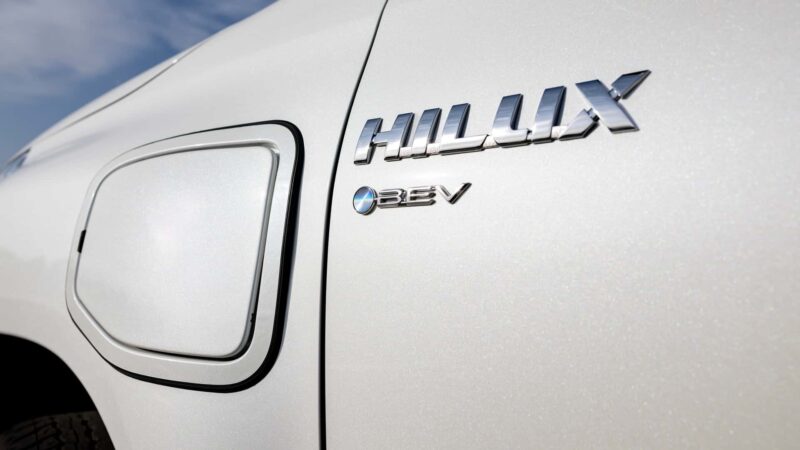
Toyota is currently testing the battery-electric Hilux BEV to assess its performance as it prepares to commence the production of the truck in Thailand by the end of 2025.
According to Reuters, Thailand is a critical market for Toyota, with pickup trucksmaking up more than half of total vehicle sales. The company also has a large manufacturing plant in the country.
“Our intention is to be producing the Hilux BEV over here,” Pras Ganesh, executive vice president of Toyota Motor Asia told Reuters.
Ganesh did not provide any details on pricing or production volume for the Hilux BEV, which would be Toyota’s first electric pickup truck offering.
He added that the pickup truck will be primarily targeted at the Thai domestic market but Toyota will also consider exporting the model.
The Japanese automaker is testing the Hilux BEV for various use cases in different road and temperature conditions.
“The more range I have to put on it, the more battery I have to put on it, which means the weight of the vehicle also becomes significantly heavier, which means the loading can be much less,” Ganesh said.
“So ‘Is it going to meet the customer’s usage needs?’ is always our biggest issue. We are always trying to understand what they do,” he added.
Meanwhile, Toyota’s closest rival Isuzu Motors also plans to assemble its electric D-Max pickup truck in Thailand.
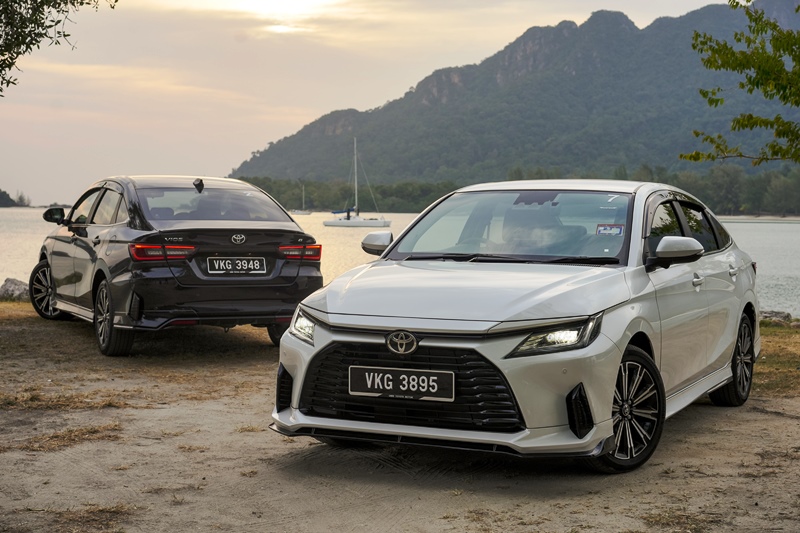
Launched back in March 2023, the fourth-generation Toyota Vios is a fairly capable B-segment sedan in its own right.
There are several things that I like about the Vios, but like many other cars that I have had the opportunity to test drive, it also has some weak points which hopefully can be addressed in the future.
So, without further ado, here are five things I don’t particularly like about the Vios:
Limited rear passenger headroom
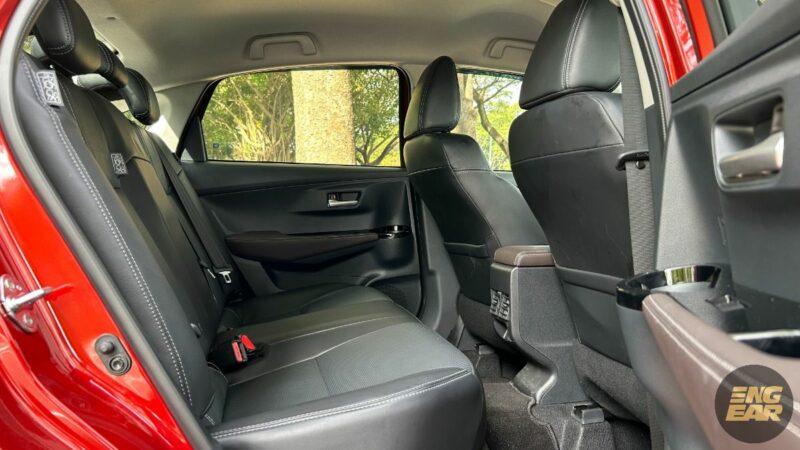
Honestly, I’m not what you would call a tall person, but during the Vios media drive in Langkawi last year, I found that the rear passenger headroom for rear passengers was rather limited. This is due to the fastback-style sloping roofline. It seems that in the pursuit of style, some comfort had to be sacrificed.
No rear folding seats
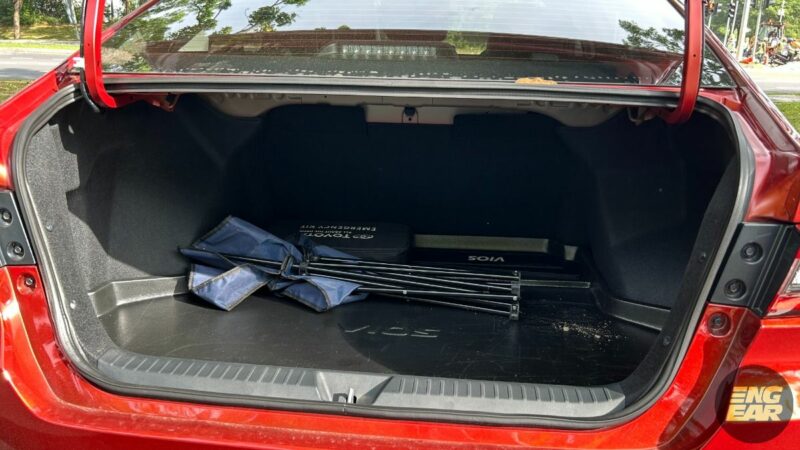
It’s quite unusual for a new car to have non-foldable rear seats, but according to Toyota engineers, this feature was omitted in the Vios because market research showed that users rarely use this function. Not only that, the 475-litre capacity is also considered large enough. Bad news for frequenters of Ikea, I guess.
No spare tyre
One of the most talked subjects during the Vios launch was the absence of a spare tyre. I was told that this important feature was sacrificed to reduce weight (they managed to shave off 110 kg, fair enough) and save some space. Users do get a tyre repair kit, though.
Underpowered engine
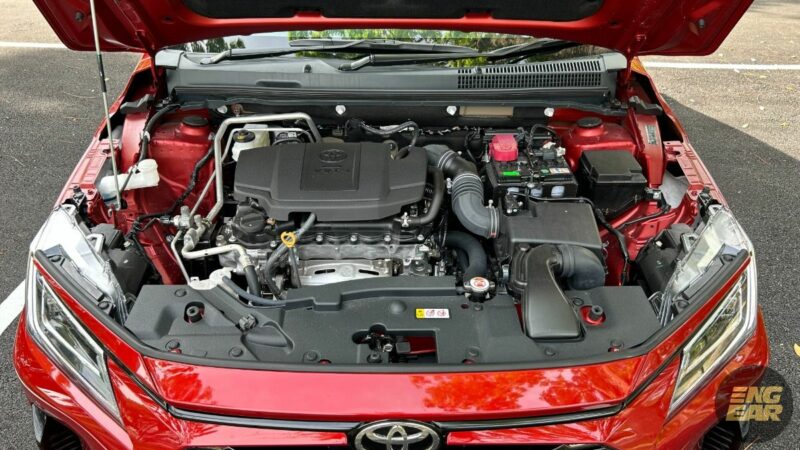
Although the Vios’ 2NR-VE 1.5-liter four-cylinder Dual VVTi engine is found to be very smooth in most driving situations, it falls short compared to its closest competitor, the Honda City, in terms of output.
The City has 119 hp and 145 Nm, which is 15 hp and 7 Nm higher than the Vios. In fact, the 2NR-VE engine is actually less powerful compared to the previous 2NR-FE engine.
Overloaded with features
There are simply too many features in the Vios. In terms of driver convenience, there’s a 9-inch touchscreen with wireless Apple CarPlay and Android Auto, wireless charger, a push-start system and many more.
When it comes to safety, the Vios is riddled with Toyota Safety Sense (TSS) features such as Pre-Collision System, Lane Departure Prevention, Lane Departure Warning, and Front Departure Alert, to name a few.
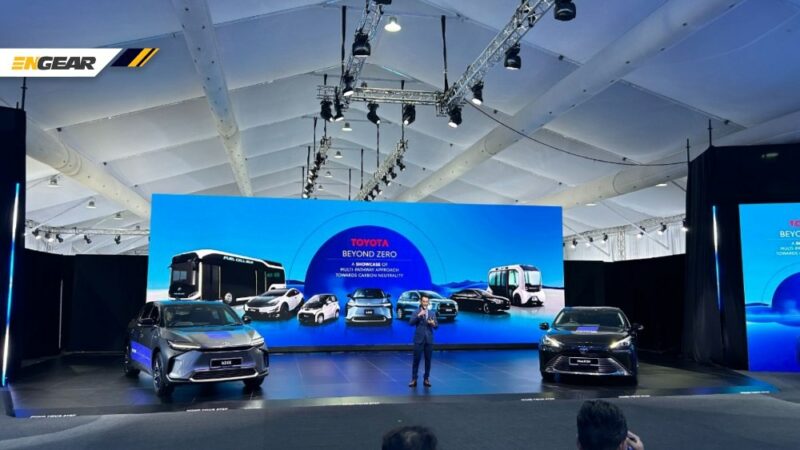
If you have been following the developments in the automotive industry, you will notice that Toyota does not believe that battery electric vehicles (BEVs) or EVs are the sole solution to carbon neutrality.
Instead, they are confident that there are several other ways to achieve it. Thus, Toyota is presenting Beyond Zero, an initiative of the brand towards Carbon Neutrality by 2050.
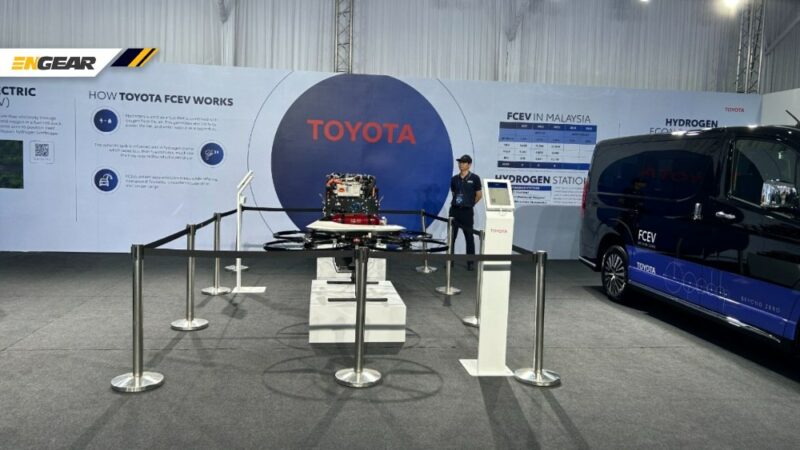
The event, which runs from February 20th to 28th and held at the Malaysia Technology Park, showcases a transformation initiative that demonstrates the brand’s commitment to sustainable and environmentally friendly practices.
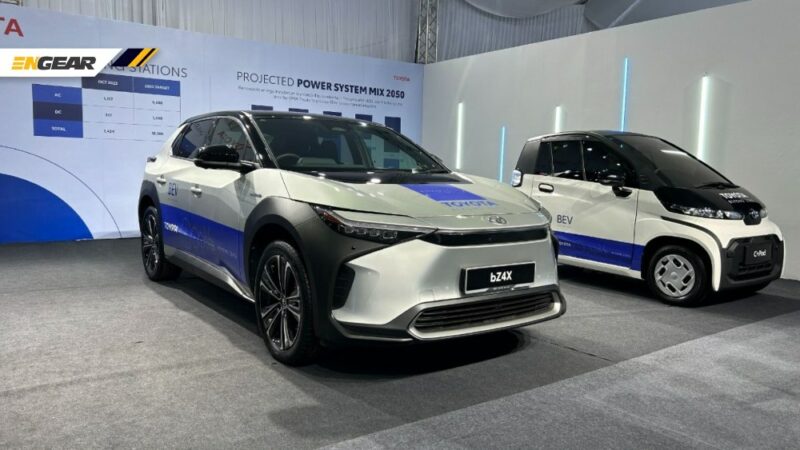
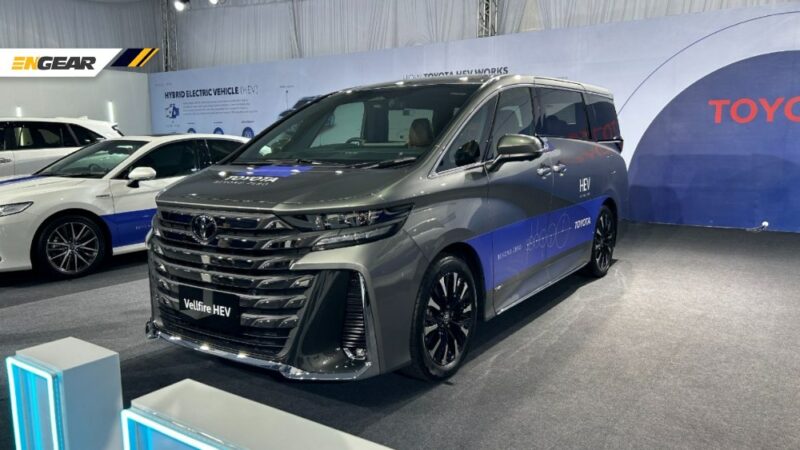
The Beyond Zero event was symbolically launched to showcase a diverse approach with various electrification technologies, including Hybrid Electric Vehicles (HEVs), Battery Electric Vehicles (BEVs), and Fuel Cell Electric Vehicles (FCEVs).
Among the BEV models presented are bZ4X, Hilux BEV REVO-e, and C+pod. For FCEVs, the models featured include Mirai, GranAce FCEV, and Hilux FCEV.
The Beyond Zero event is open to various guests to learn about sustainability initiatives and new technologies, and to test drive specific vehicles from February 20th to 28th, 2024.
The Minister of Investment, Trade, and Industry, YB Senator Tengku Datuk Seri Utama Zafrul Tengku Abdul Aziz, who officiated the event, praised UMW Toyota (UMWT) for the company’s commitment to sustainable practices and environmental conservation.
“Recognizing the importance of Malaysia’s transition to sustainable energy, we are driven by global commitments and the potential for economic diversification and energy security,” he said.
“Malaysia, recognized as the best country in Southeast Asia in the 2023 Energy Transition Index by the World Economic Forum, is on the right track to become a regional leader in energy transition.”
“Toyota’s innovative efforts in clean energy, through its diverse approach, are indeed aligned with our nation’s goals.”
The President of UMWT, Datuk Ravindran K. said, “We acknowledge the existence of various challenges and opportunities nationwide in our efforts to pursue a multi-pathway approach and implement appropriate life cycle actions in line with each national interest and Sustainable Development Goals (SDGs) of the country.”
“Recognizing the unique landscape of the Malaysian automotive industry, as well as its position as a major producer of electrical and electronic products in Southeast Asia, it is important for us to position ourselves appropriately in this journey.”
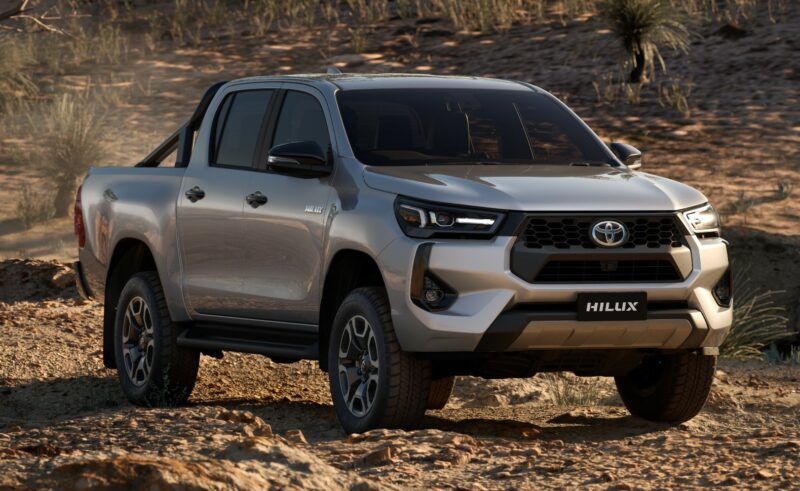
The Toyota Hilux Hybrid 48V, which was launched in Europe last December, has now been introduced in Australia through a facelifted version of the pickup truck.
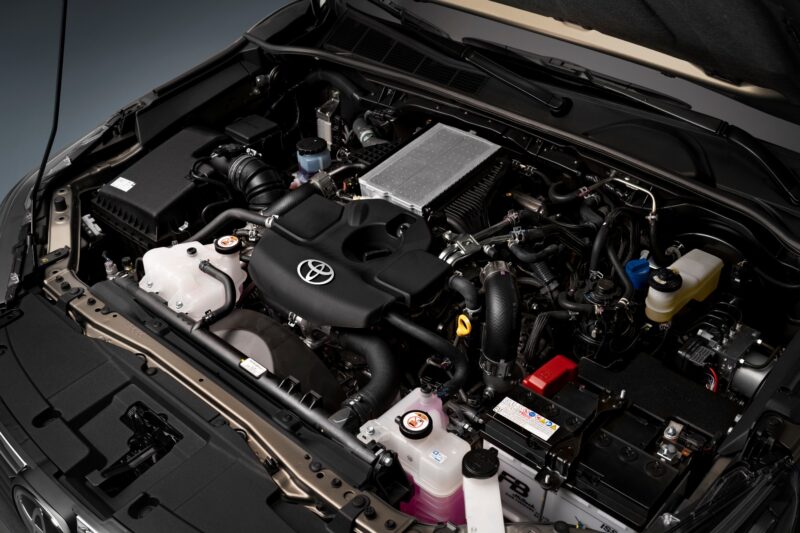
Similar to the European model, the facelifted Hilux for Down Under combines the existing 2.8-litre four-cylinder turbodiesel engine with mild hybrid technology consisting of a motor generator, 48-volt battery, and DC/DC converter.
According to Toyota, the technology provides the Hilux with a Stop/Start system, helps the engine run smoother and improves fuel efficiency by approximately 6% to 10%, depending on variant.
For the Australian market, the 48V mild hybrid technology is equipped as standard in the 4X4 Rogue and SR5 double cab automatic variants, and optionally available on the 4X4 SR double cab.
In addition, all mild hybrid variants are made more capable off-road with the standard fitment of the Multi-Terrain Select system, which offers six driving modes.
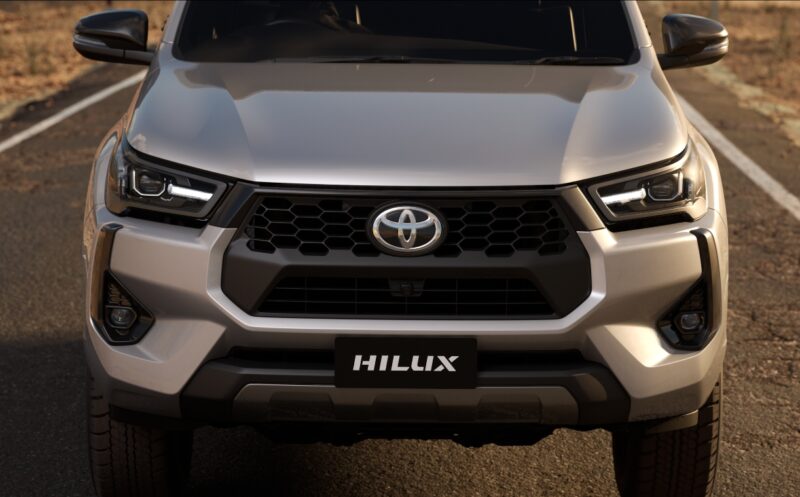
However, unlike in Europe, the facelifted Hilux in Australia has been given a fresher look. The octagonal grille has been redesigned, while the front bumper now appears more prominent thanks to a trapezoid-shaped air intake and new fog lamp housings.
Some variants also feature a tough-looking black honeycomb mesh grille and a tailgate damper.
In terms of features, all SR double cab automatic variants now come with six parking sensors (two in the front, four in the rear), while the SR5, Rogue, and GR Sport variants receive a wireless charging pad and two USB-C ports.
The facelifted Hilux will arrive in Toyota showrooms across Australia starting this March, with prices ranging from AUD54,130 to AUD71,530 (RM167,800 to RM221,739) for the mild hybrid variants.
The world’s largest car manufacturer, Toyota, is determined not to concede in the internal combustion engine race. The company aims to uphold this commitment, driven by the direction of its chairman and car enthusiast, Akio Toyoda.
He is adamant about safeguarding millions of jobs in Japan while simultaneously offering choices to future car buyers.
“To those who have been producing engines from the past until now, let’s continue to develop engines,” Toyoda stated during the Tokyo Auto Salon 2024 (TAS2024) event.
“As car enthusiasts, we are tasked with shaping the future. My desire to enjoy cars leads me to want to explore various technologies. This is something I take seriously,” he added.
Highlighting that over 5.5 million workers are involved in engine manufacturing in Japan, Toyoda emphasized the importance of retaining these jobs.
He outlined Toyota’s multifaceted plan for future mobility, stating, “The approach to carbon neutrality depends on the country and region. However, shouldn’t we consider the desires for cars that we need?”
Toyoda noted that outside of the country, Toyota has numerous colleagues with similar interests and desires. He expressed that Battery Electric Vehicles (BEVs) are not the sole means to achieve carbon neutrality, as Toyota has been developing hydrogen technology for the past three years.
“Last year, we tested liquid hydrogen and drove it at Le Mans. There is still work to be done in engine technology to achieve carbon neutrality. So, let’s refine engine technology. Let’s start that project,” Toyoda concluded.
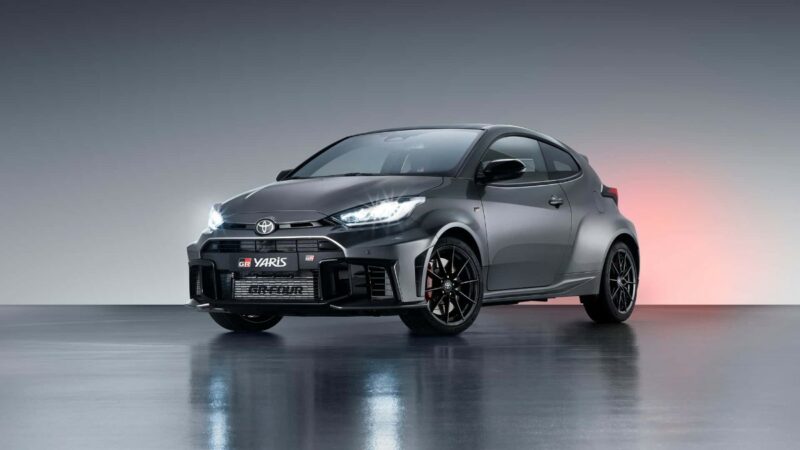
You may have read the report before this that the Toyota GR Yaris will be offered with an 8-speed automatic gearbox option.
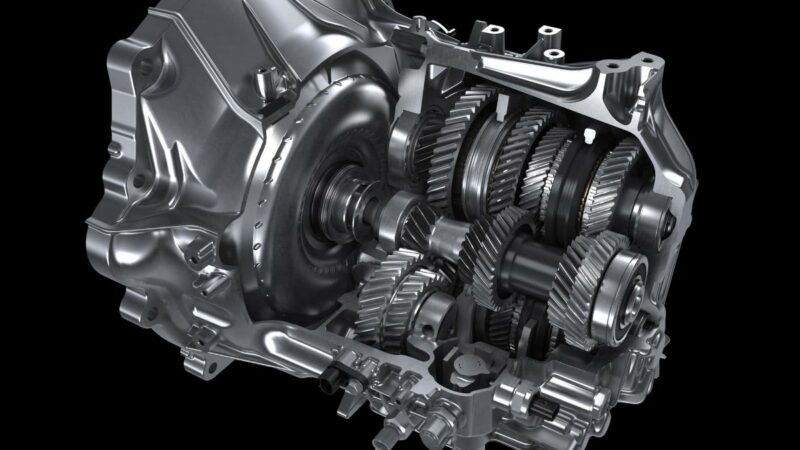
Now it’s official, as it was launched by Toyota at the ongoing Tokyo Auto Salon (TAS) event. Toyota has dubbed this gearbox the Direct Automatic Transmission.
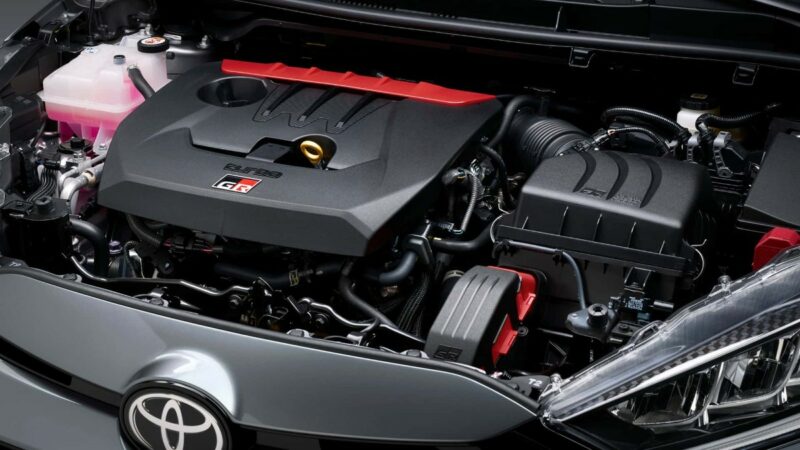
Founded on a torque-converter unit, it has been tuned for quicker gear changes, and even features a mode for track use. In addition, the 2024 GR Yaris has undergone changes in several other areas.
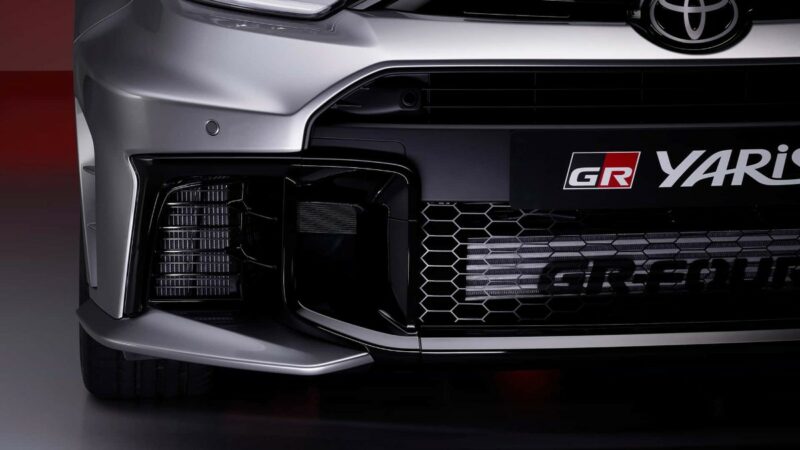
The Circuit package will bring improved cooling system with an additional radiator, intercooler sprayers, and a redesigned intake system.
The automatic version also comes with a specific cooler for the gearbox. Both coolers can be seen from the side air vents. Interestingly, the automatic version only adds around 18kg in weight.
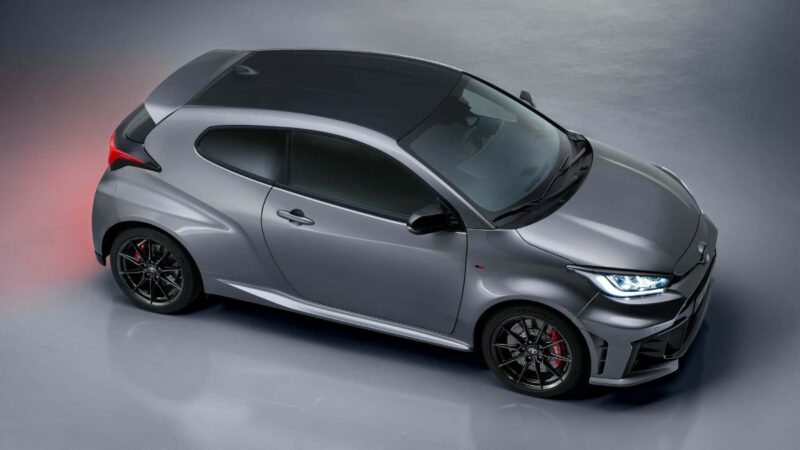
Chassis rigidity has been increased, and the suspension has been further enhanced to accommodate more power from the engine. It’s not just a regular tune-up, but a “strengthened” one.
There are new materials for the exhaust valve, higher pressure for direct fuel injection, a new air pressure sensor, and lighter wheels.
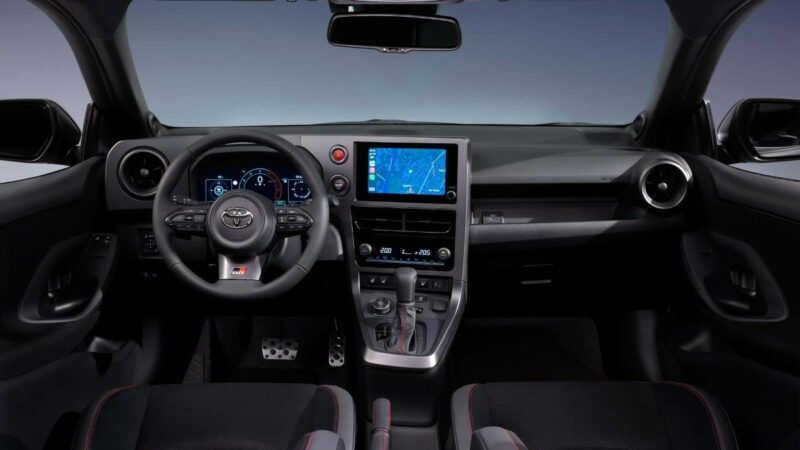
Finally, the GR Yaris has been given a facelift both externally and internally. The front bumper is more aggressive, while the cabin space is more driver-focused. The new 12.3-inch screen is from the GR Corolla.
Previously, the GR Yaris was among several vehicles offered with a manual gearbox option only, alongside the Honda Civic Type R. With the addition of an automatic option, does it make the GR Yaris less ‘hardcore’?
UMW Toyota Motor (UMWT) has announced that it successfully sold 10,402 vehicles in December 2023.Of the monthly sales figure, 10,079 units were Toyota vehicles, while 323 units were Lexus vehicles.
With this tally, UMWT’s total year-to-date sales as of December 2023 stands at 108,107 units, an increase of 7% than the 101,035 units posted in 2022.
The company also said it recorded 1,342,130 returning customers for aftersales services in 2023, showcasing a commitment to customer satisfaction and efficiency in automotive care.
“With heartfelt gratitude to all our customers for their unwavering support, this year-end, UMWT renews our commitment to ‘Move Your World.” said Datuk Ravindran K., President of UMWT.
“We persist in our efforts to offer an enriched mobility experience through our Toyota cars and extend access to ownership for potential customers.
“Our commitment to achieving excellence and fostering innovation in the automotive industry remains unwavering, ensuring the best offerings for our drivers and stakeholders,” he added.
Ravindran further stated that UMWT plans to introduce more models, particularly with an emphasis on xEV technologies. This is to strengthen its commitment to support Malaysia’s ambitious goal of achieving net-zero greenhouse gas emissions by 2050.
A car often undergoes subtle unadvertised changes throughout its sale period. Manufacturers may alter fastening shapes, improve potentially damaged components, or seek ways to reduce costs.
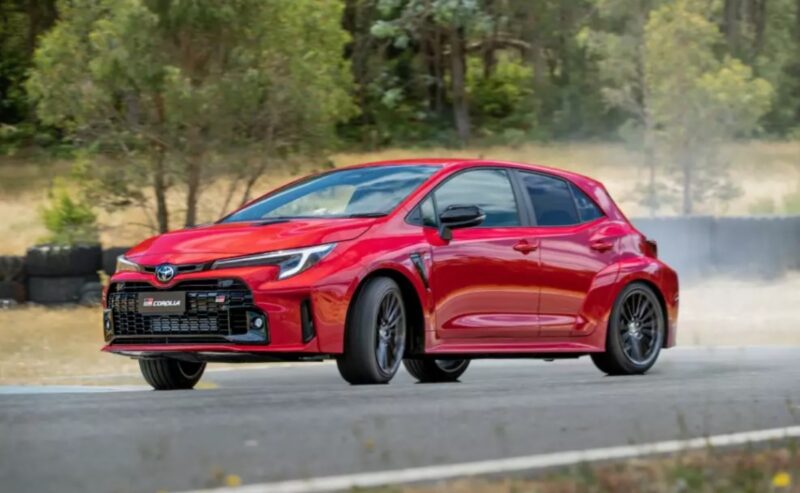
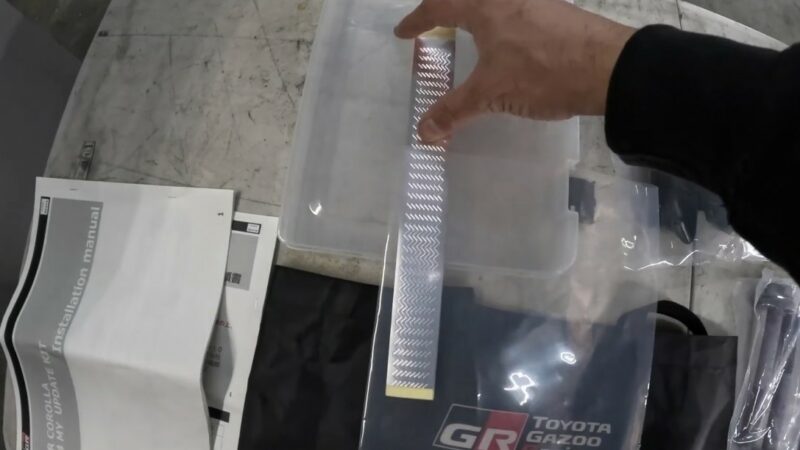
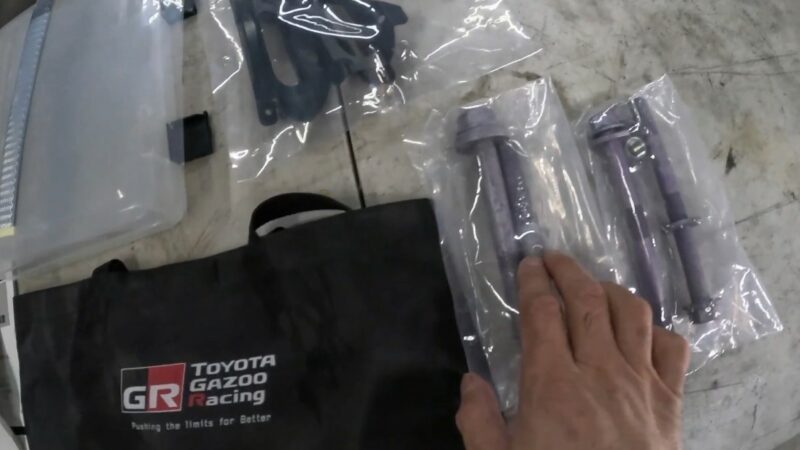
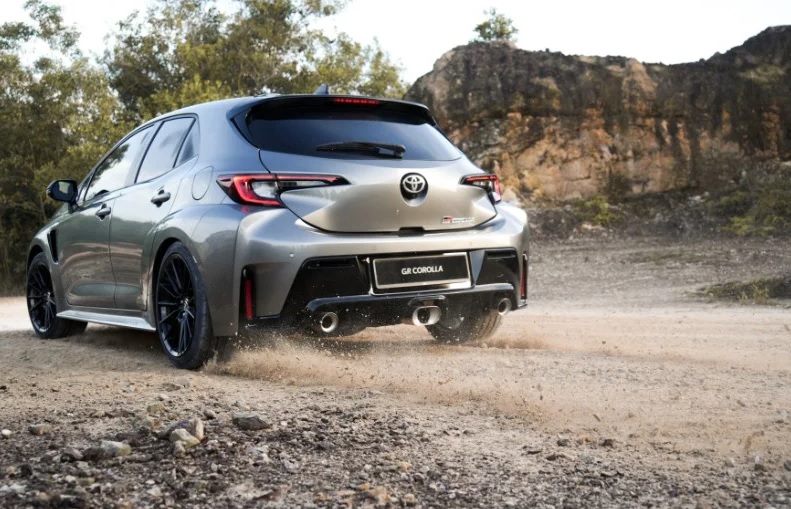
For the 2024 Toyota GR Corolla, there are few changes, including new bolts, a pair of air ducts, and four pieces of aluminum tape for improved aerodynamics.
We are particularly interested in the latter, the aluminum tape. How can such a simple, light, and inexpensive item have an impact on aerodynamics?
In a video released by Ken Gushi, showcasing the installation of 2024 components on his 2023 GR Corolla, the adhesive tape is seen as a curious upgrade for him as well.
The tape comes in the 2024 upgrade package alongside new rear subframe bolts, new steering bolts, air ducts, and the aforementioned tape. One might expect the tape to help seal air gaps or reinforce flexible parts, but instead, it controls electrostatic discharge.
This concept has since been patented by Toyota. The car generates positive charges while driving, and the surrounding air is also charged. When two positively charged objects touch, the air around them is disturbed.
According to Car Watch, this idea has been around since the mid-2010s and was initially tested on the Toyota 86. During the development of the 86 facelift model, Toyota engineers identified inconsistent behaviors among test car units, especially when the front bumper material was changed from prototype specifications to production specifications.
This led to the study of electrostatic discharge and the discovery that aluminum tape solved this issue and seemingly improved aerodynamics like magic
THE Toyota Crown Sport, which is one of the four models in the Crown lineup, is now available with a plug-in hybrid (PHEV) powertrain in its home market, where it is priced from 7.65 million yen (RM248,030).
Similar to the hybrid version, the aforementioned powertrain employs the A25A-FXS 2.5-litre Dynamic Force engine, but in this version, the engine is assisted by a pair of electric motors.
On its own, the engine develops 177 PS and 219 Nm of torque, while the front and rear electric motors generate 182 PS/270 Nm and 54 PS/121 Nm, respectively.
The ICE-electric motor combo provides the Crown Sport PHEV with an E-Four all-wheel drive system and a healthy total system output of 306 PS.
With a 51-Ah lithium-ion battery, the SUV is capable of traveling up to 90 km without using a drop of fuel.
Not only that, it is also said to offer a fuel consumption rate of about 20.3 km/l and with a 55-litre fuel tank, it boasts a total cruising range of more than 1,200 km on a full tank.
According to Toyota, the Crown Sport PHEV supports both standard and rapid charging, with the latter enabling a charge to 80% power in 38 minutes.
The exterior may appear to be unchanged from the hybrid version, but underneath the gorgeous sheetmetal lies an additional braces to the floor tunnel to ensure an optimal balance of body rigidity.
Furthermore, the damping characteristics of the Adaptive Variable Suspension (AVS) system have been retuned for smoother and more stable ride.
The Crown Sport PHEV comes standard with 21-inch aluminum rims, 20-inch ventilated disc brakes with red calipers on all four corners, black and red interior colour scheme, paddle shifters and sports seats.
Other features include the Vehicle to Home (V2H) that can provide enough electricity for about 6.5 days of use in emergency situations, and My Room Mode, which allows users to enjoy air conditioning and audio systems from an external power source.
FROM mid-2024 onwards, the European-market Toyota Hilux will be offered with a new mild-hybrid powertrain that which offers improved driving performance and enhanced comfort in both urban and off-road environments.
Marketed as the Hilux Hybrid 48V, it features the familiar 2.8-litre turbodiesel engine and a 48-volt mild-hybrid system that provides an additional power of 16 PS and 65 Nm to help with the acceleration and fuel efficiency.
The aforementioned engine puts out 204 PS at 3,400 rpm and 500 Nm from 1,600 to 2,800 rpm, just like in the Hilux Rogue.
According to Toyota, the engine drives a compact generator using a belt drive system, which in turn charges a 48-volt lithium battery, which is small enough to be installed under the rear seats and weighs just 7.6 kg.
Like Toyota’s full hybrid electric systems, the battery is charged during deceleration. Once charged, the battery sends the output through the motor generator to the engine to enhance acceleration, power and efficiency.
The motor generator has been designed to withstand the harsher working environments, while the engine gets a new two-arm belt tensioner and stronger belt material to adapt to the hybrid system.
With an enhanced start-stop system, the powertrain helps improve the Hilux’s fuel efficiency by up to 5% compared to the conventional non-electrified diesel powertrain.
Electrification aside, the Hilux Hybrid 48V retains its towing and payload capacity at 3,500 kg and 1,000 kg, respectively.
Its off-road credentials also remain intact with a ground clearance of 310 mm, an approach angle of 29 degrees, and a departure angle of 26 degrees. It can drive through water up to 700 mm deep thanks to waterproofing of the battery and DC-DC converter.
Safety-wise, there’s the latest version of Toyota Safety Sense comprising enhanced features such as Pre-Collision System (PCS), Lane Departure Alert (LDA), Adaptive Cruise Control (ACC) with Road Sign Assist (RSA) and Adaptive High Beam (AHB).
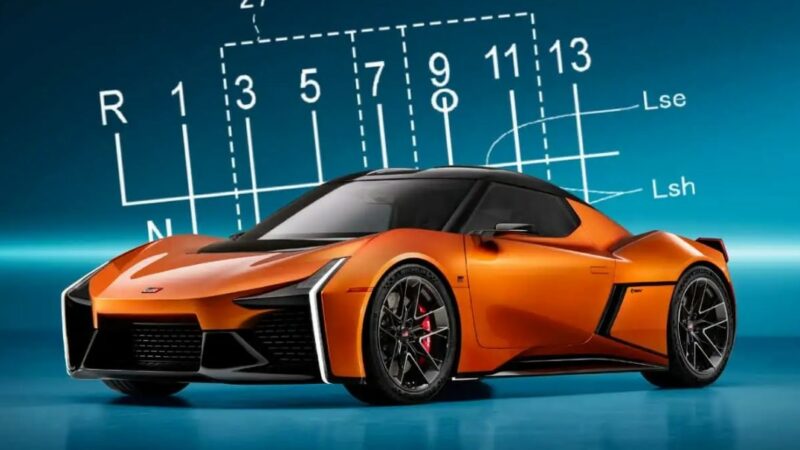
TOYOTA will introduce a simulated (virtual) manual gearbox for its electric vehicles (EVs). However, it appears it will be quite fun, as it will not be limited to just six or seven speeds.
In a patent application published a few days ago, it shows that there is no limit to how many gears the transmission can have. Images published with the technical document show it could have up to 14 gears. But how does it work? Toyota has also provided an explanation.
The patent reveals many details about this system. In simple terms, drivers will be able to select how many gear ratios they want.
“The number of virtual gear stages may be six or more, or less than six,” the document states. “Drivers will be able to select the desired form according to their preferences.”
However, Toyota does not explain any electro-mechanical system that will make up the physical gear setup. Instead, there will be a fixed number of gears, possibly six, but Toyota uses four as an example. Gears are selected as with a regular manual, although the gear button will return to its original position after use.
When the driver shifts gears, the virtual pathway shape changes to the next ratio. So if there is a pattern of six gears and the sixth gear is selected, a display will change the ratio to allow the driver to shift to gear seven and beyond, or down to gear five in the same set.
Confusing? In fact, this arrangement is similar to the manual gear setup of a truck trailer, so off-road enthusiasts will likely understand easily.
In any case, there must be a reason why car makers do not offer manual gears with too many gear ratios. A 14-speed gearbox is not practical with an internal combustion engine.
But for EVs, it’s a different story. Toyota believes there’s no harm in offering more options to buyers.
TOYOTA has clinched the title of the most valuable automotive brand in the world for 2023, for the second consecutive year. This was announced in a report by Interbrand’s Best Global Brands 2023.
The Japanese manufacturer secured the sixth position out of the overall 100 global brands. Only three automotive brands made it to the top 10, with Mercedes-Benz and BMW being the other two.
Outside the top 10 positions, other automotive brands listed include Tesla, Honda, Hyundai, Audi, Porsche, Volkswagen, Ford, Nissan, Ferrari, and Kia. Overall, 13 automotive brands made it to the list in 2023, down from 15 brands in 2022.
According to Interbrand, each brand is evaluated based on three main factors: the financial performance of their products or services, their role in purchase decisions, and the strength of the brand in fostering customer loyalty.
With a brand value of USD 64.5 billion (RM 301.4 billion), Toyota maintains its position at the top of the automotive segment. Following closely is Mercedes-Benz with a value of USD 61.4 billion (equivalent to RM 286.92 billion).
Meanwhile, BMW’s brand value of USD 51.2 billion (RM 239.26 billion) is sufficient to place it in third position, surpassing Tesla, which has a value of USD 49.9 billion (RM 233.18 billion).
Honda maintains its fifth position, followed by Hyundai and Audi. Porsche, another German brand, has improved its brand value, surpassing Volkswagen and Ford to claim the eighth position.
THE segment-B sedan category is quite critical in our country as these cars are considered affordable and serve as the main vehicles for many families. Therefore, it is important for manufacturers to be sensitive to users because even a small ‘deviation’ could invite criticism. However, by adding premium or new features to this segment, manufacturers can receive high praise for several weeks after the launch news is still hot.
The 2023 Toyota Vios, launched last March, represents an entirely new generation with a completely new interior and exterior. We will discuss its performance later.
Three major issues
However, if you are looking into or researching cars in this segment, you would know that the new Toyota Vios has two major issues – the rear seats cannot be folded, and there is no spare tire.
Why? Well, regarding the non-folding rear seats, the Toyota Vios development team shared with the media that according to their market research, most users do not use this function. MOST. Are you among this group, or are you a minority who will complain? So, they did not include this function, and as a result, the car is 10kg lighter due to the absence of a folding mechanism.
For the lack of a spare tire, they stated that it is to provide more storage space. If you look under the boot floor, there is Styrofoam storage space for small items. The absence of a spare tire also further reduces the car’s weight.
Overall, this new generation Vios is about 110kg lighter than the previous model. This time, the 1.5 G variant weighs only 1,035kg.
In fact, there is a third issue, which is the lower engine power. Compared to the previous Vios, which had 105hp and 140Nm from the 1.5-liter 2NR-FE engine, the new Vios is powered by the 2NR-VE engine with an output of 104hp and 138Nm of torque.
These figures decreased by 1hp and 2Nm, but in all honesty, you won’t feel the difference. But considering the lighter weight as mentioned earlier, the new Vios actually has a better power-to-weight ratio than before.
So, overall and theoretically, the new Vios is definitely more fuel-efficient. According to Toyota, the Vios has a fuel efficiency of up to 5.2 liters per 100km or 19.2km per liter.
Regarding major issues like non-folding rear seats and the lack of a spare tire, we should look at it this way: Toyota may be in a dilemma choosing between facing criticism from many people for not having a spare tire, or a few people complaining about the non-folding rear seats. We also believe fuel efficiency is more important for cars like this. So, let’s move on to the next topic.
Becoming more upmarket
One crucial aspect for Segmen-B sedan cars is style and appearance. In this regard, the new Toyota Vios does not disappoint. Its overall look can be described as more ‘upmarket.’ The front end now resembles larger Toyota sedans (such as the Toyota Corolla), featuring larger 17-inch rims (in the G variant) and a rear roof design akin to a fastback, which is currently on-trend.
The front appearance with its slanted LED headlights is still challenging for the writer to grasp, but, importantly, it gives a fresh image, markedly different from before. The larger rims not only complement the overall shape but also have a positive impact on handling.
This upmarket feel extends to the interior, where the Vios dashboard now looks modern and not cheap. If it used to be filled with hard gray plastic, the 2023 Vios now boasts softer touches, different color tones, and textures.
Simultaneously, the button and switch layout is still neat, easily accessible, and more pleasant to the touch. Additionally, the instrument display is now fully digital, with electronic parking brakes coming standard.
An interesting touch for the writer is the positioning of the window switch surfaces on the left and right door panels. They are glossy black, like most cars, but instead of being plain, they feature a diamond texture and a slightly recessed surface.
This is an easy and cost-effective solution, yet effective in adding a sense of premium and sophistication to the Vios. This is important because many buyers of cars in this category are upgrading from budget cars.
Have you been driving the Myvi since you started working, and now with a family and a promotion, you’re upgrading to the Vios? A common scenario, isn’t it?
Oh, we know that because the Vios is built on the DNGA platform (Daihatsu New Global Architecture), it shares the dashboard with models like the Axia and Alza. So, one way to position the Vios in a higher tier is the inclusion of wireless Android Auto and Apple Carplay integration.
Solid look, solid driving?
For driving dynamics, perhaps not many Vios buyers emphasize this aspect, even though UMW Toyota has used this car for the Vios Challenge event for several years.
Nonetheless, the fact is that this all-new Toyota Vios has seen an improvement in terms of driving dynamics, whether you need it or not. The first thing the writer noticed is the more precise and responsive steering with increased feedback.
It doesn’t feel unnecessarily heavy, but just enough for a natural feel. This makes the new Vios more enjoyable to drive, whether cruising slowly in the city or taking corners at triple-digit speeds.
The 205/50 tire profile and 17-inch rims also contribute to a better steering feel; it’s not just for looks. However, it’s worth noting that the cost of replacing tires will increase, so this is something to keep in mind. Approximately RM380 to RM400 for one tire of this size.
For a delightful driving experience, some investment is necessary, right? Most importantly, this ‘delightfulness’ comes from the factory’s R&D, not just a gimmick by the car enthusiasts.
The chassis is now more robust and stable, thanks to the use of DNGA. When taking S corners while descending from Genting Highlands, the suspension and tires work more consistently and clearly, a result of the sturdy chassis.
The writer honestly no longer enjoys ‘testing’ cars in Genting because there are too many wannabe ‘racers’ there now, but happened to have work there, so took the opportunity to drive the Vios.
Sufficient power? 104hp and 138Nm of torque is more than enough even when driving up to the peak of Genting Highlands. The new D-CVT gearbox with a combination of physical gears and a belt assists in efficiently transmitting the overall power to the front wheels. You feel the full force of the 104hp without any power wastage.
The engine noise will enter the cabin when revved beyond 4,000rpm, which is normal. But when the rpm stabilizes and you’re cruising at a constant speed, the Vios is fairly quiet and comfortable to drive for long distances.
Even when pushed, we will begin to reach the limits of the engine, tires, and gearbox. The tires supplied are Continental PremiumContact 7, not performance tires, so they start to struggle when you’re not smooth enough with steering inputs. This doesn’t mean the tires are not good; they are perfect for daily use in the Vios.
The engine and gearbox also work hard to keep up with the writer’s accelerations and climbs, then brake into corners, then accelerate again. The TCU (Transmission Control Unit) tries to provide the best gear ratios according to speed, rpm, and right foot input. But there are no issues with the chassis.
Additional information: Toyota already has a unit for the use of the Vios Challenge based on this new platform. Surely, it uses semi-slick tires and a manual transmission, so maybe next season we will be able to see how the performance of this new generation Vios holds up in actual races.
Not races at the Genting International Circuit, of course. Always drive carefully on public roads!
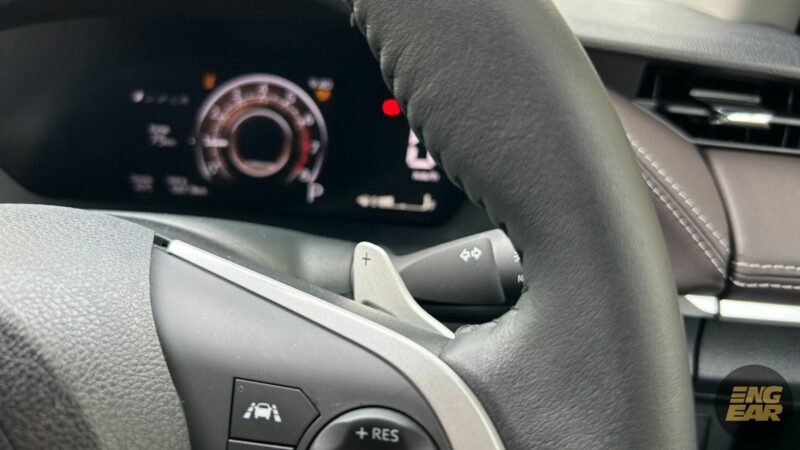
Safety features are not forgotten; the Vios now comes standard with Toyota Safety Sense (TSS), which includes systems like Pre-Collision System, Lane Departure Warning, and Front Departure Alert. The G variant also includes Lane Keeping Control, Auto High Beam, and Adaptive Cruise Control. For the writer, the G variant is the way to go as these three features are highly useful for everyday driving. Additionally, the price difference in monthly installments isn’t significant.
In conclusion, the 2023 Toyota Vios is indeed a significant shift in all aspects compared to the car it replaces. It is now more modern and dynamic to drive, and most importantly, it makes you feel it offers better value for money.