This Kia Pride EV restomod comes with a 5-speed manual gearbox!

In conjunction with its 80th anniversary, Kia UK has unveiled a restomod project of the 1990s small hatchback bearing the Kia Pride EV brand.

This compact car was originally a rebranded version of the Ford Festiva, and was also marketed as the Mazda 121 model.

While it used to be equipped with 1.1 and 1.3-liter internal combustion engines, this latest restomod project has replaced these powerplants with a zero-emission powertrain unit producing 107 hp and 235 Nm of torque.

Utilizing expertise from Electrogenic, Kia has retained the original five-speed manual transmission, albeit with a performance-oriented clutch kit.

Despite the stated changes, the overall weight of this Pride EV is only 870 kg, which is 20 kg heavier than the original model.

For comparison, the modern EV6 from Kia, featuring a single electric motor with 225 hp, has a curb weight of around 2,065 kg.

The Kia Pride also offers several driving mode options.

In Eco mode, it limits power to 60 hp/118 Nm with a 0-100 km/h acceleration in 11.8 seconds, similar to the original ICE model.

The Auto driving mode (80 hp/176 Nm) offers a more modern EV driving experience, along with suitable regenerative braking function for urban use.

The Sport mode allows for a 0-100 km/h acceleration in eight seconds.

These sporty characteristics are well hidden as a key part of this car’s sleeper appeal, including the retention of the original 12-inch tire size and authentic rim caps.

Furthermore, the charging socket is also discreetly hidden behind the original fuel filler cap, which can be locked from the outside.

Other than the standard exterior appearance, Kia has only upgraded a few aspects, such as the White Pearl exterior paint, front and rear lights, and new upholstery for the cabin space.

Additionally, the original instrument cluster is still retained, with the only change being the fuel gauge, which has been converted into a battery capacity indicator.

One noticeable drawback of the Kia Pride EV is its limited range, approximately 193 km only.

This is because, unlike modern EVs, the Kia Pride EV has been fitted with two battery packs each with a capacity of 10 kWh (one in the front and one under the trunk floor).

With a charging power of 3.3 kW, it takes about six hours to fully charge.

Considering the level of craftsmanship exhibited by the Kia Pride EV, it would not be surprising for local manufacturers to embark on a restomod project using iconic models such as the Proton Saga Knight or Perodua Kancil.

Kia Tasman takes on the formidable Al Qudra desert

You may already know that Kia is busy developing its very first pickup truck, known as the Tasman.

In the latest development, the automaker announced that the Tasman is currently undergoing its next phase of testing in the deserts of Al Qudra, United Arab Emirates.

Previously, the ladder-frame pickup truck had undergone various tests, including off-road driving in the rugged Alabama Hills, California, water wading, and on-track driving to evaluate its handling, chassis strength, and towing capabilities.

This time, a pre-production prototype of the Tasman was flown to the Al Qudra desert to ensure it can handle extreme hot weather and challenging driving conditions.

According to Kia, the pickup truck has been subjected to at least 1,777 different types of tests, with over 18,000 rounds of tests have been completed so far.

No technical details have been announced yet. However, reports indicate that the Tasman is likely to feature a 2.2-litre turbodiesel engine similar to the one used in the Sorento, and could be offered in two-wheel drive and four-wheel drive guises.

Additionally, the Tasman is said to boast a maximum payload of up to 998 kg and a towing capacity of nearly 3.5 tonnes.

Exactly where the Tasman will be sold is still unknown, but reports from South Korea suggest it will likely be offered in the Middle East, Africa, and Australia.

The Tasman is expected to make its global debut at the Jeddah International Motor Show in Saudi Arabia, which will take place from October 29 to November 2.

Kia opens global training hub in Glenmarie, first in the APAC region

Kia Asia Pacific has unveiled the opening of the Kia Asia Pacific Training Centre, located in Glenmarie, Shah Alam.

It is the fifth global training hub established by Kia after openings in the United States, United Arab Emirates (UAE), Germany, and Russia.

According to Kevin Ahn, President and CEO of Kia Asia Pacific, “Malaysia was chosen from a list of 34 APAC markets due to its strategic location, allowing us to meet the growing industry needs.”

With an investment totaling RM3 million, this training center spans over 10,000 square feet, built to meet global standards set by the parent company Hyundai Motor Group.

The training center offers various facilities including theory classrooms equipped with high-tech displays, computer resource center, virtual repair simulations, and specialized equipment such as Kia diagnostic tools.

The latest Kia EV models such as EV6 and EV9, along with upcoming models like EV5 and EV3, are also available for training purposes.

Adjacent to the training center is the Kia 3S Flagship Centre, offering real-world exposure to trainees to further enhance their skills.

Upon completion of the program, each participant will receive a certification from Kia Asia Pacific confirming their skills and expertise within Kia’s global network.

It is understood that the training hub can accommodate up to 80 trainees at one time, with a target to train up to 3,000 individuals annually to support all 34 countries in the Asia Pacific region.

This 20 years old Kia Bongo is still updated, receives modern equipment and EV variant

THE Kia Bongo is a small one-ton truck that has been launched since 2005, but it is still being updated for 2025. This fourth-generation model is being refreshed not for the third world market, but in South Korea itself.

Available in two- and four-door variants, the design of this Kia Bongo looks like it’s from the early 2000s, but this is indeed the 2025 version.

Standard equipment has been added, with the truck now equipped with power side mirrors, cruise control, and a fire extinguisher. Higher variants are equipped with chrome door handles and a new parking brake handle.

Specifically designed for small businesses, the Bongo comes with an automatic transmission, previously only available in manual. There are also options for two-wheel and all-wheel drive.

Despite being founded over two decades ago, it has received additional modern features such as heated/ventilated seats, start/stop button, and a 10.25-inch infotainment screen.

Safety features include Forward Collision Avoidance Assist and Lane Departure Warning. The engine remains the same, a 2.5-liter unit with an output of 157hp and 294Nm of torque for the automatic transmission.

The manual model has power of 136hp and 254Nm of torque. For those more environmentally friendly, the Kia Bongo is also offered in a fully electric (EV) version with an output of 181hp and 394Nm of torque.

It can be driven up to 210km. Prices start at around RM68,726 in Korea. It would definitely be interesting if it were sold in Malaysia, wouldn’t it?

Kia EV9 three-row electric SUV officially enters Malaysian market

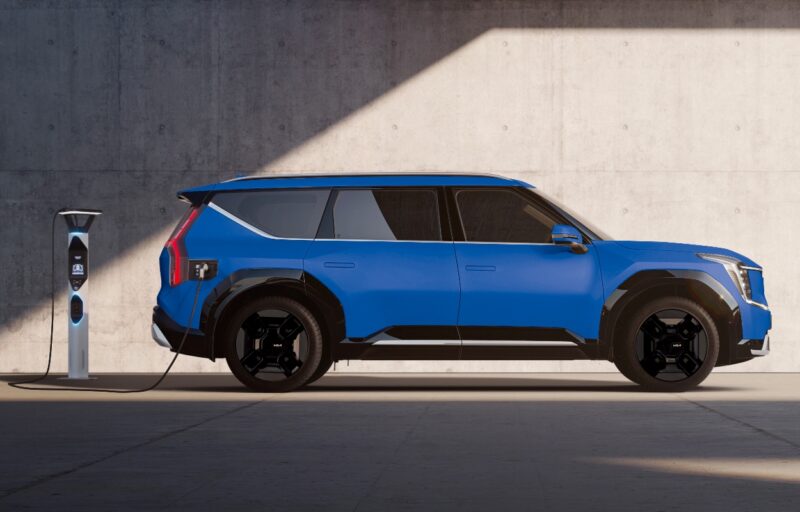
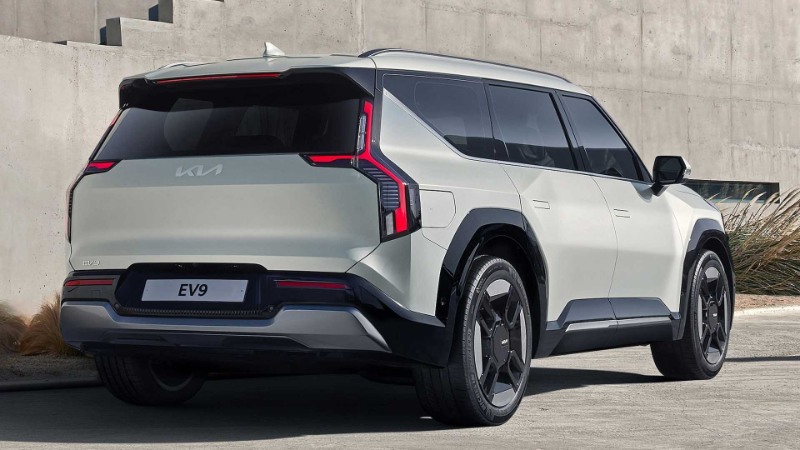
DINAMIKJAYA Motors has launched its latest battery electric vehicle (BEV), the Kia EV9. The model is now available for booking and test drives at any Kia showrooms nationwide.

Since its debut in March 2023, the EV9 has already garnered prestigious awards like the 2024 World Car of The Year and the Best of the Best Award in Cars and Motorcycle category by Red Dot Award: Product Design 2024.

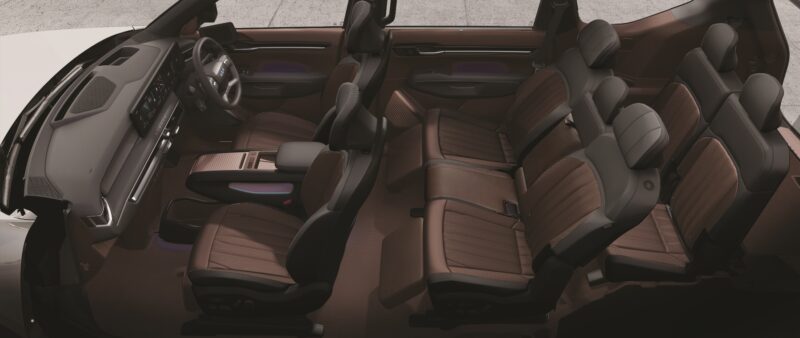
For the Malaysian market, the EV9 is offered in the GT-Line AWD variant with a choice of six or seven seats. Save for the seating configuration, both versions have the same exact specifications.

Pricing (OTR without insurance) starts at RM374,668 for the six-seater variant and RM369,668 for the seven-seater variant. The EV9 is fully imported from South Korea.

In terms of performance, the EV9 is powered by two electric motors that combine to produce a total power of 380 hp and 700 Nm. This allows the electric SUV to accelerate up to 200 km/h.

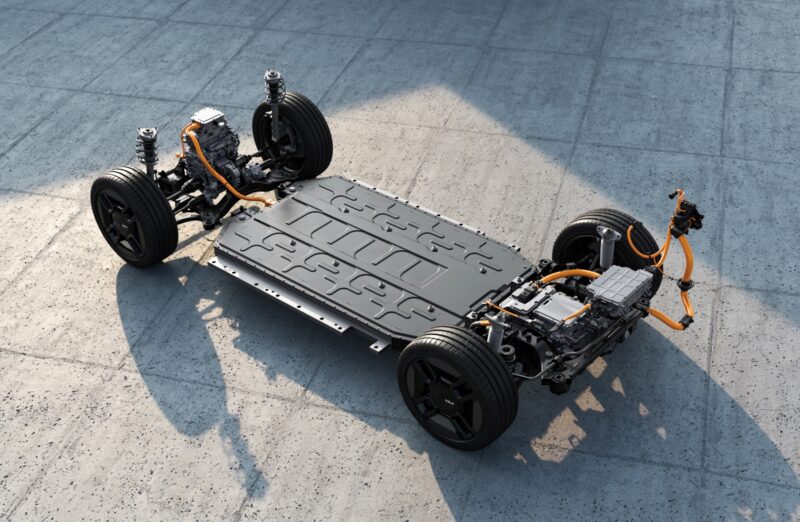
As for the battery, the electric SUV employs a 99.8 kWh unit that offers a driving range of up to 505 km on a full charge.

The EV9 supports DC fast charging of up to 350 kW, allowing it to replenish the battery from 10 to 80% in 24 minutes. It is also equipped with an 11 kW AC charger, which takes approximately 10.5 hours for a full charge.

Similar to the EV6, the EV9 is built using the Electric Global Modular Platform (E-GMP). It has a rather large footprint, measuring 5,015 mm in length, 1,980 mm in width, 1,780 mm in height, with a wheelbase of 3,100 mm.

Its exterior design features the Digital Tiger Face, which includes the Digital Pattern Lighting Grille, vertical LED lights, and Star Map Lighting on the daytime running lights and taillights. Both variants come with 21-inch wheels.

There are five colours to choose from, namely Ocean Blue, Snow White Pearl, Pebble Grey, Aurora Black Pearl, and Iceberg Green.

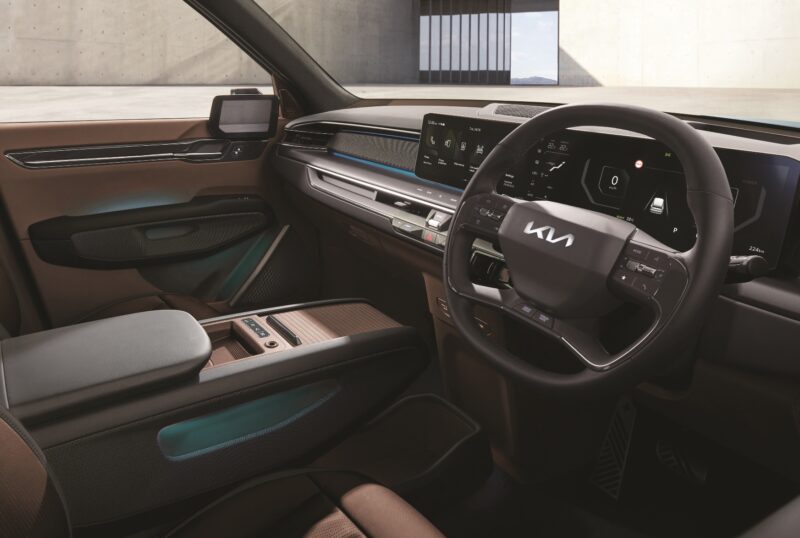
Inside, you’ll find a dual screen setup, each measuring 12.3 inches, and a five-inch segment display that enables control of the vehicle’s functionality while ensuring physical buttons are kept to a minimum.

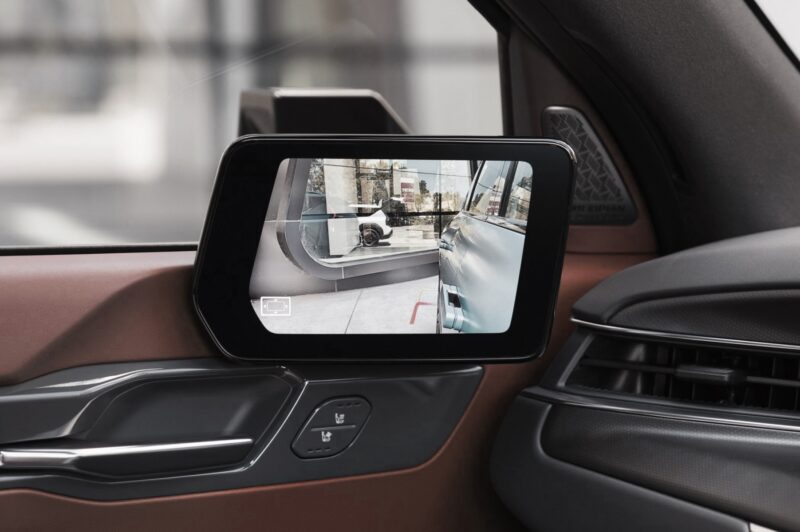
Look closely and you’ll find that the EV9 lacks conventional side mirrors. Instead, the SUV is fitted with exterior cameras that provide live feeds through two small screens located on the left and right door panels.

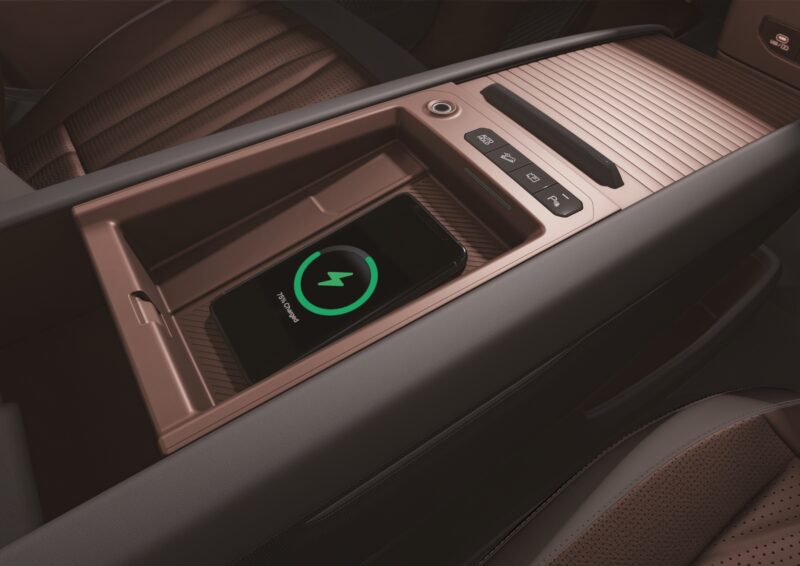
Other niceties include Apple CarPlay, Android Auto, wireless charging, USB-C charging ports in the front, middle, and rear, ambient lighting, and a Meridian audio system with 14 speakers.

With the flexible Integrated Charging Control Unit (ICCU) charging system, the EV9 also has a Vehicle-to-Load (V2L) function that can supply power up to 3.6 kWh to charge various electronic devices.

In terms of safety and driver assistance, the EV9 is equipped with the following features:

  • High Beam Assist (HBA)
  • Parking Collision-Avoidance Assist (PCA)
  • Blind-Spot Collision-Avoidance Assist (BCA)
  • Rear Cross-Traffic Collision Assist (RCCA)
  • Blind-Spot View Monitor (BVM)
  • Lane Keeping Assist (LKA)
  • Driver Attention Warning (DAW)
  • Forward Collision-Avoidance Assist (FCA2)
  • Lane Following Assist (LFA2)
  • Smart Cruise Control (SCC)

Dinamikjaya Motors offers a manufacturer’s warranty for five years/150,000 km and a battery warranty for eight years/160,000 km.

Kia EV3 made global debut – Up to 600km range, Volvo EX30 rival?

KIA continues to expand their lineup of electric vehicles (EVs) with the introduction of the EV3, a compact SUV. This model joins the existing lineup, including the EV5, EV6, and EV9.

The Kia EV3 is built on the E-GMP (Electric-Global Modular Platform) but does not feature the 800-volt architecture found in the EV6 and EV9. Instead, it comes with a 400-volt architecture similar to the EV5, enabling DC charging from 10 to 80 percent in 31 minutes.

With a full charge, it can be driven up to 600km based on WLTP cycle. This range applies to the Long Range model, while the Standard Range variant offers a slightly shorter distance.

Power is supplied by nickel manganese cobalt (NMC) batteries, known for offering better power and longer lifespan.

Both variants are equipped with the same electric motor, mounted on the front axle. This motor has an output of 201hp and 283Nm of torque, allowing the EV3 to accelerate to 100km/h in 7.5 seconds. The maximum speed is limited to 170km/h.

The Kia EV3 is equipped with eDTVC (Electric Dynamic Torque Vectoring Control) for optimal grip, as well as a new feature called i-Pedal 3.0, which functions as regenerative braking.

The EV3 offers a cargo space of 460 liters, and since it has no engine, it also has an additional 25 liters of space under the front hood.

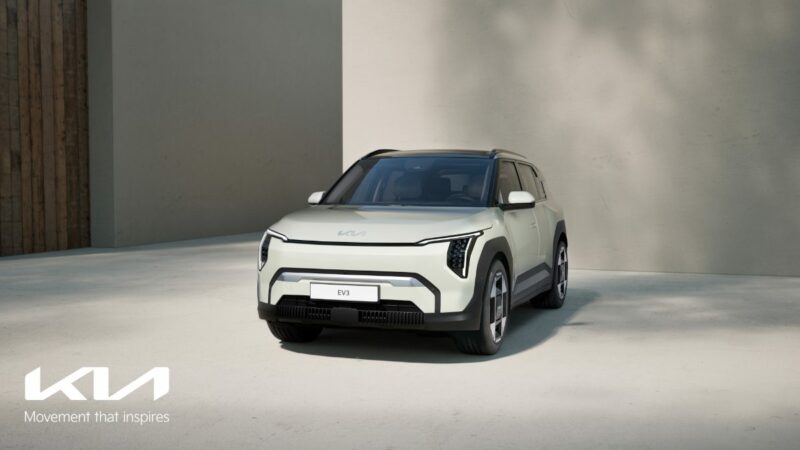
In terms of appearance, the Kia EV3 features the ‘Tiger Face Star Map’, a result of the design of the DRL (Daytime Running Lights) and main headlights. The grille also comes in two different bumper design options, depending on the variant.

Despite its boxy and angular shape, the Kia EV3 maintains aerodynamics, with a drag coefficient as low as 0.263.

The cabin design showcases a minimalist concept. There is a single horizontal air vent, dividing the dashboard into two sections. Several physical buttons are located on the center console.

The screen on the dashboard is quite large, consisting of a 12.3-inch instrument display, a 12.3-inch infotainment display, and a 5-inch air conditioning panel.
Some parts of the cabin are made from recycled materials, with the option of Air, Earth, or Water trim.
Other features include the Harman Kardon audio system, AI assistance, Automotive Content Platform, and ADAS (Advanced Driver Assistance Systems).

Kia EV3 set to make global debut on May 23

KIA has released teaser images of their next electric vehicle (EV), the EV3. It will be fully unveiled on May 23 as a compact electric SUV slotted below the EV5.

For your information, the EV3 was first previewed by the Concept EV3 in October last year. Kia’s teaser images indicate that it will retain most of its exterior design cues for production.

Kia Concept EV3

Similar to the EV9, Kia applies the ‘Opposites United’ philosophy to the design of the EV3, as evident from the striking boxy fenders and tailgate.

The EV3 also carries the brand’s signature Star Map lighting at the front and rear, along with black-painted C pillars to create the floating roof effect.

Interior images have not been revealed yet; however, we anticipate a design and layout not significantly different from Kia’s existing EV models.

Likewise, technical details of the EV3 are unknown for now, but according to reports, it is built on the E-GMP platform with a 400V architecture, as opposed to the 800V system in the EV6 and EV9.

Kia says the EV3 will go on sale later this year following its global world premiere.

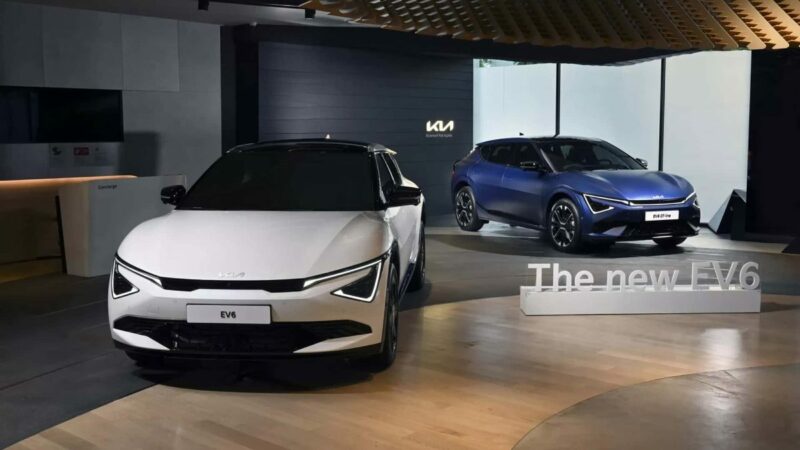
2025 Kia EV6 to get bigger battery, 10-80% charging in 18 minutes only

The first Kia EV, the EV6, has been in the global market since 2021, and now over 210,000 units have been sold. Kia is now set to introduce the first update or facelift for this model.

It will still come in standard and GT Line options, with the GT Line featuring a new front light bar. Both variants will also showcase a new front bumper, along with the choice of 19- and 20-inch rims.

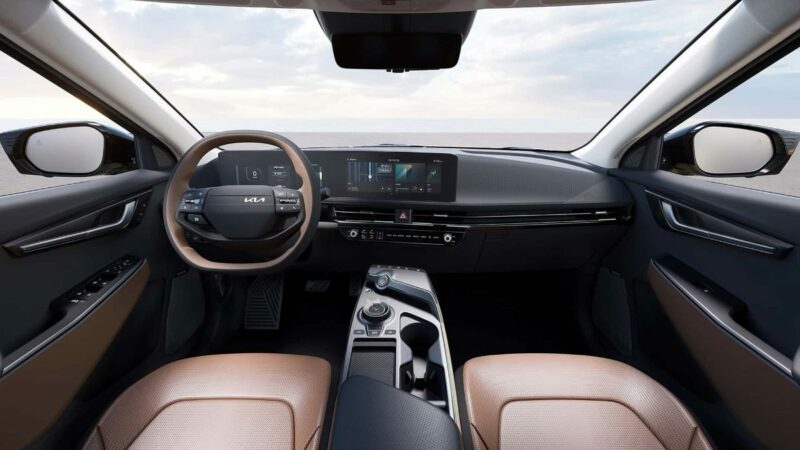
The cabin space doesn’t seem to have changed much, but upon closer inspection, the steering wheel now sports a new three-blade design, alongside a new dual-screen setup.

It will include fingerprint recognition, a 12-inch head-up display, and a digital rearview mirror. The main update for this facelift is the larger battery.

The 2025 Kia EV6 will receive an 84kWh capacity pack, replacing the previous 77.4kWh. It can also be charged from 10 to 80 percent in just 18 minutes, with a 350kW capacity.

The EV6 Long Range rear-wheel-drive variant also offers a longer driving range of 494km. Another update is in the unseen areas. The EV6 will be equipped with side airbags for rear passengers, as well as larger B-pillars for enhanced body rigidity.

The electric motor is said to be quieter, and comfort has been improved through new shock absorber tuning. Kia has also added sound insulation materials to the rear motor area.

Lastly, the OTA (over-the-air) updates can now cover more than just navigation functions, with wireless Android Auto and Apple Carplay connectivity becoming standard features.

Kia EV9 launched in Malaysia – two GT-Line variants, priced from RM370k

The official distributor of Kia, Dinamikjaya Motors, has launched its third electric vehicle for the Malaysian market, the Kia EV9.

The fully electric SUV is available in two variants, namely the GT-Line AWD 6-seater and the GT-Line AWD 7-seater, priced at RM369,668 and RM374,668, respectively.

Both variants feature a twin electric motor configuration producing a total system output 380 hp and 700 Nm, allowing it to reach a maximum speed of 200 km/h.

The battery specifications are also the same, with both variatns utilising a 99.8 kWh lithium-ion battery that offers a driving range of up to 505 km on a full charge.

For charging, the EV9 is equipped with DC fast charging that can handle up to 350 kW, enabling the battery to be charged from 10% to 80% in just 24 minutes. It also supports 11 kW AC charging, which requires 10.5 hours for a full charge.

The EV9 is the second Kia model built using the Electric Global Modular Platform (E-GMP) after the EV6. It measures 5,015 mm in length, 1,980 mm in width, 1,780 mm in height, with a wheelbase of 3,100 mm.

Its exterior design is highlighted by the Digital Tiger Face, featuring the Digital Pattern Lighting Grille, vertical LED headlights with two clusters of small cube lamps, and Star Map daytime running lights at the rear. Both variants come with 21-inch wheels.

Inside, there is a floating panoramic dashboard housing two 12.3-inch screens and an additional 5-inch segment display that gives the driver access to all vehicle functionalities. There are also two small displays on the door panels that display video feed from the exterior cameras.

Other features include Apple CarPlay, Android Auto, wireless charging, USB-C charging ports in the front, middle, and rear, ambient lighting, and a Meridian audio system with 14 speakers.

Thanks to the flexible Integrated Charging Control Unit (ICCU) charging system, the EV9 also has Vehicle-to-Load (V2L) capability, supplying up to 3.6 kWh of power to charge various electronic devices.

There’s also Advanced Driver Assistance Systems (ADAS), consisting features such as High Beam Assist (HBA), Parking Collision-Avoidance Assist (PCA), Blind-Spot Collision-Avoidance Assist (BCA), Rear Cross-Traffic Collision Assist (RCCA), Blind-Spot View Monitor (BVM), Lane Keeping Assist (LKA), Driver Attention Warning (DAW), Forward Collision-Avoidance Assist (FCA2), Lane Following Assist (LFA2), and Smart Cruise Control (SCC).

The EV9 is fully imported from South Korea and is available in five colours – Ocean Blue, Snow White Pearl, Pebble Grey, Aurora Black Pearl, and Iceberg Green. It comes with a manufacturer’s warranty for five years/150,000 km and a battery warranty for eight years/160,000 km.

2024 Kia Carnival now open for booking – 3 variants, from RM199k

DINAMIKJAYA Motors Sdn Bhd, the official distributor of the Kia brand in Malaysia, has introduced the 2024 Kia Carnival, which brings a slew of upgrades.

As before, the Carnival is locally assembled and is available in configurations of seven-, eight- and 11-seat configurations. However, the number of offered variants has been reduced from four to three, namely:

  • 2.2L 11-seater – RM198,500
  • 2.2L 8-seater – RM245,888
  • 2.2L 7-seater – RM259,888

All three variants are powered by a 2.2-liter turbodiesel engine producing 199 hp at 3,800 rpm and 440 Nm from 1,750 to 2,750 rpm.

The engine is paired with an 8-speed automatic transmission tasked with delivering power to the front wheels.

What’s new with the 2024 model? According to Dinamikjaya, the appearance of the seven and eight-seater Carnival models has been enhanced with black 19-inch alloy wheels, as well as black and gray leatherette upholstery.

Both variants retain the premium features offered previously, which include LED daytime running lights, twin sunroof, Smart Power Sliding Door, and Smart Power Tailgate.

Additionally, niceties such as heated and ventilated seats, LED interior lighting, and Surround View Monitor are also carried over. However, the Premium Relaxation seats with its centre walkthrough configuration are only available in the seven-seater variant.

Meanwhile, the 11-seater Carnival continues to offer four rows of seating with a 2-3-3-3 configuration, suitable for those with large families.

For entertainment, the Carnival comes with a 12.3-inch touchscreen with support for Apple CarPlay and Android Auto, alongside creature comforts such as wireless charging, Bluetooth, and seven USB charging ports.

The safety system for the seven and eight-seater variants has been upgraded with the addition of a new feature, the Blind-Spot View Monitor (BVM).

In case you didn’t know, the Carnival is locally assembled at the Inokom assembly plant in Kulim, Kedah. For the 2024 model, there are four exterior colours to choose from – Astra Blue, Snow White Pearl, Meteor Gray, and Jet Black.

Bookings for the MPV are now open, and each purchase comes with a manufacturer’s warranty for five years/100,000 km and a free scheduled maintenance package for five years/100,000 km.