Chinese automotive giant Geely is reportedly set to consolidate its Lynk & Co brand and Zeekr, according to a report from the Economic Daily.
This consolidation move is aimed at allowing Geely to focus its resources on the rapidly growing new energy vehicle (NEV) market, while also reducing internal competition.
The Lynk & Co brand was established by Geely and Volvo as a premium brand targeted at younger consumers.
It was once one of the most successful Chinese car brands, reaching sales of one million units within six years.
Unfortunately, Lynk & Co currently offers only one battery electric vehicle (BEV), the Z10, which was just launched this year, whereas Zeekr has already introduced six electric vehicle (EV) models since 2021.
As of November 2024, Zeekr will hold a 51 percent stake in Lynk & Co, while the remaining shares will be held by Geely Auto.
Sime Darby Motors, the official distributor of BYD in Malaysia, has launched another new electric vehicle, the 2025 BYD Sealion 7.
Available in two main variants, the BYD Sealion 7 is priced starting from RM183,800 for the Premium variant and from RM199,800 for the Performance variant.
The BYD Sealion 7 Premium features a single rear-wheel drive (RWD) electric motor with an output of 308 hp and 380 Nm of torque, enabling acceleration from 0 to 100 km/h in just 6.7 seconds.
Meanwhile, the Performance variant is equipped with a dual all-wheel drive (AWD) electric motor that delivers 523 hp and 690 Nm of torque, achieving 0 to 100 km/h in as little as 4.5 seconds.
Both variants are equipped with an 82.56 kWh battery pack. The driving range for the Premium variant is up to 567 km, while the Performance variant has a range of up to 542 km.
The Sealion 7 supports AC charging at 11 kW and fast DC charging up to 150 kW, allowing the battery to be charged from 10% to 80% in just 32 minutes.
Standard features for the Sealion 7 include 19-inch alloy wheels, while the AWD version comes with 20-inch wheels and red brake calipers.
The cabin is well-equipped with a 10.25-inch digital cluster screen, a 15.6-inch central display with adjustable orientation, a 50-inch augmented reality head-up display, leather-wrapped seats, dual-zone climate control, and a PM2.5 air filtration system.
In addition, the Sealion 7 supports Apple CarPlay and Android Auto connectivity, a 50W wireless charging system for smart devices, and features a Dynaudio sound system with 12 speakers.
Both variants come standard with safety features including nine airbags, front and rear parking sensors, a 360-degree camera system, and Advanced Driver Assistance Systems (ADAS) featuring adaptive cruise control, automatic emergency braking, front and rear cross-traffic alerts, high beam assist, and driver attention warnings.
In terms of practicality, the Sealion 7 offers a cargo space of 500 liters, which expands to 1,769 liters with the rear seats folded down. Additionally, it includes a 58-liter front trunk (frunk).
There are four color options available: Cosmos Black, Aurora White, Atlantis Grey, and Shark Grey.
BYD Malaysia is offering an early booking package (valid until November 17), allowing customers to receive a complimentary home charger and RM800 charging credit, provided they register their vehicle by December 31, 2024.
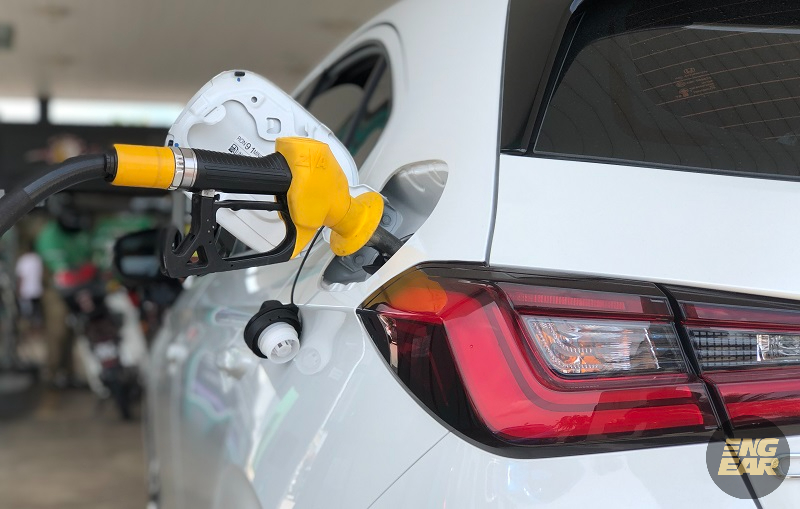
Starting September 2025, Malaysians will be able to enjoy the use of Euro 5 petrol, with full specifications expected to be achieved by 2027, according to Sinar Harian.
This announcement was made by the Minister of Natural Resources and Environment, Nik Nazmi Nik Ahmad, during an event held on the Shah Alam Expressway yesterday (November 13).
According to him, this implementation aligns with the Environmental Quality Regulations (Control of Fuel Content for Petrol and Diesel) 2007.
“As such, the Ministry of Natural Resources and Environment (NRES) and the Department of Environment (DOE) will work closely with the industry to ensure a smooth transition.
He further stated that the use of Euro 5 will encourage the Malaysian automotive industry to enhance vehicle technology, including for commercial and heavy-duty vehicles.
He explained that vehicles with Euro 5 emission technology will operate more efficiently and produce cleaner emissions, thereby positively impacting the air quality in the country.
“Previously, the country took proactive steps to address air pollution issues by introducing Euro 5 diesel fuel since April 2021, and it has since achieved full specifications by April 2023.”
Recently, we were invited to the MODENAS factory located in Gurun, Kedah, to attend the handover event of the MEV-1 Pro electric scooter to Pos Malaysia.
This marks the second delivery by MODENAS, with a total of 1,092 units, following the first batch delivered approximately a year ago.
Here are some more interesting facts you should know about the MODENAS MEV-1:
1. Meaning of MEV-1
MEV-1 stands for:
Modenas
Electric Vehicle
Number 1
For future models, MODENAS plans to use names such as MEV-2, MEV-3, and so on.
2. Collaboration with VMoto
VMoto VS1
It’s worth noting that the MODENAS MEV-1 is a ‘twin’ of the VMoto VS1 electric scooter model.
MODENAS partnered with VMoto to develop the MEV-1, benefiting from accelerated technology acquisition.
The VMoto brand was chosen due to its durability, efficiency, and superior quality compared to several competitor models that were previously evaluated.
MODENAS CEO, Roslan Roskan, emphasized that choosing a higher-quality model is essential so that Malaysians considering purchasing an electric scooter next year will be more satisfied with the value for money spent.
For your information, VMoto is the official supplier of electric scooters to the Ducati MotoGP team—an impressive brand indeed!
3. Upgrades Took a Year, 10,000 km Endurance Test
Compared to the MEV-1 that has been in use for a year, the MEV-1 Pro is an enhanced version, developed with data on usage and specific needs from Pos Malaysia.
According to MODENAS, among the improvements made include the addition of a manual parking brake button, a sturdier rack support, and the use of a more powerful electric motor.
As a result, the MEV-1 Pro can now generate a power output of 5.8 hp, support loads of up to 250 kg, and tackle steep inclines of 19 degrees.
It is also more heat-resistant, thanks to modifications made to the vehicle control unit and battery system, making it suitable for the more extreme tasks of Pos Malaysia.
4. Worried About Range?
Many electric scooters face a common issue compared to regular mopeds: insufficient riding range for daily operations.
However, this is not a significant problem for our postal workers.
According to Pos Malaysia, an MEV-1 electric scooter travels an average of 40 km each day for deliveries.
This means the standard range offered by the MEV-1 is more than adequate to cover the daily operations of Pos Malaysia.
Nevertheless, in the future, Pos Malaysia is open to the possibility of considering more practical battery swap stations to accommodate growing needs.
5. Interested? Wait Until Next Year
Currently, the MEV-1 and MEV-1 Pro are designated solely for use within the company’s electric fleet, such as Pos Malaysia.
However, MODENAS has promised that an electric scooter available for public purchase will be offered by the first quarter of 2025 (Q1 2025), featuring user-friendly specifications.
Initially, it will be sold as a Completely Built Unit (CBU) with an estimated price in the tens of thousands of ringgit, or possibly below RM10,000 for the locally assembled version (CKD).
Specifications of the MODENAS MEV-1 Pro
Power: 5.8 hp
Torque: 165 Nm
Battery Pack: 5.4 kWh
Range: 95 km
Dimensions: 2,094 x 727 x 1,141 mm
Wheelbase: 1,366 mm
Ground Clearance: 154 mm
Seat Height: 760 mm
Suspension: telescopic front fork, single shock absorber
Tire Size: 100/80-16 front, 110/80-14 rear
Brakes: 240 mm front rotor, 180 mm rear
The constraints of size have resulted in a limited number of appealing and well-balanced A-segment sedan models in the global market.
Honda appears to be challenging this skeptical view with the design images of the all-new third-generation Amaze 2025.
Essentially, the Honda Amaze 2025 is a third generation compact sedan measuring under four meters in length and is set to be officially launched on December 4.
It features a front design inspired by the HR-V SUV, complemented by a rear section from the City sedan, while the cabin offers a more streamlined layout reminiscent of the Civic.
The Amaze cabin is likely to incorporate similar features as those found in the Honda Elevate, including a 10.25-inch touchscreen, support for Apple CarPlay and Android Auto, digital air conditioning controls, and rectangular air vents.
The Honda Amaze is expected to maintain its use of a 1.2-liter inline four-cylinder engine delivering 90 PS and 110 Nm, or an option for the 1.5-liter i-DTEC diesel engine producing 100 PS and 200 Nm, which can be paired with either a manual or CVT gearbox.
Upon its official launch, the Honda Amaze 2025 is expected to compete with the Maruti Suzuki Dzire, Hyundai Aura, and Tata Tigor.
Proton is expected to commence the assembly of vehicles (CKD) in Egypt this December with the opening of new factory in Cairo.
The inauguration of the CKD factory was officiated by the Prime Minister of Malaysia, YAB Dato’ Seri Anwar bin Ibrahim, during his official visit to the country.
Located in the Al Oula Industrial Park in Giza, the facility, owned by Ezz Elarab Elsewedy Automotive Factories (ESAF), has an investment of US$35 million and a production capacity of 20,000 units, providing 400 job opportunities.
The inauguration of the CKD factory follows the first shipment of CKD units to Egypt on September 9.
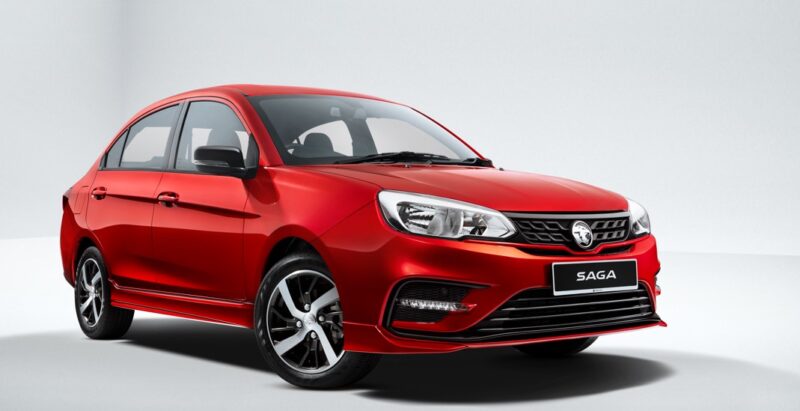
The first unit of the left-hand drive (LHD) Proton Saga is expected to roll off the production line this December, with a production target of 1,400 units for 2024.
This number is projected to increase to 5,000 units in 2025, with a forecasted production total of 16,000 units of LHD CKD Saga over a three-year period, concluding at the end of 2026, with an estimated value of RM570 million.
In addition to the domestic market in Egypt, Proton will also export the assembled vehicle models to countries in North Africa and the Middle East.
Proton also plans to establish Egypt as one of its key manufacturing hubs in the region.
Motosikal dan Enjin Nasional Sdn Bhd (MODENAS) has delivered the second batch of Modenas MEV-1 PRO electric scooters comprising 1,092 units to Pos Malaysia in support of the commitment to achieve full electrification by 2030.
All of these electric scooters will be sent in stages to join the existing Pos Malaysia EV fleet, which currently includes 220 electric motorcycles (including 140 MEV-1 units previously delivered) and 143 electric vans.
The Modenas MEV-1 PRO has been designed to meet specific operational demands of logistics and delivery services, supporting a load capacity of up to 250 kg, a maximum power output of 4.3 kW (5.8 hp), and the ability to climb slopes of up to 19 degrees.
MODENAS will provide comprehensive maintenance and servicing support for the MEV-1 PRO through its network of service centers across the country.
It is understood that the MODENAS MEV-1 electric scooter will also be offered to the general public, with a more affordable version set to be introduced in the first quarter of 2025 (Q1 2025).
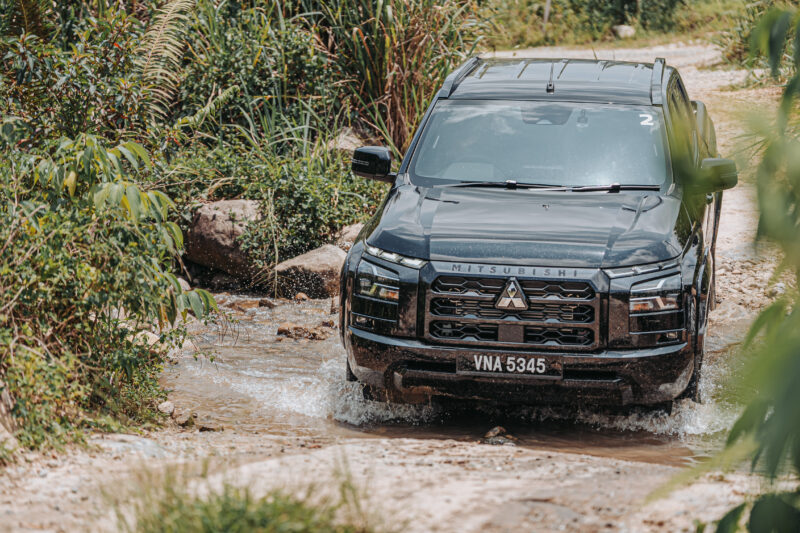
Honestly, I’m not someone who enjoys driving pickup trucks, but my recent experience with the 2025 Mitsubishi Triton is still fresh in my memory.
Apart from its more refreshed appearance, the new Triton now features a new platform and engine, a tuned suspension system, and a more user-friendly cabin layout.
In short, this new Triton offers impressive on-road performance, while still being capable of tackling tougher and more challenging off-road routes.
However, in my opinion, there are three shortcomings that Mitsubishi should address to make the Triton a more valuable offering, justifying every ringgit spent.
1. Absence of a 360-Degree Camera
Did you know that the 2025 Triton uses a new platform that provides larger dimensions—longer, wider, and taller?
This means that this sixth-generation pickup truck is the largest model ever produced in Triton’s history.
Unfortunately, this increase in size does not come with a 360-degree (or 540-degree) camera feature.
The lack of this feature makes driving a bit challenging, especially when navigating narrow areas or winding through overgrown paths that lack clear routes.
The fairly high front bonnet structure at times makes me feel less confident when driving in tight spaces.
2. Subtle Steering Vibrations Can Make Driving Fatiguing
Based on my experience, I found that the steering response of the new Triton is very easy to handle, even though the Triton has grown in size.
The Lane Change Warning (LCA) feature enhances driving safety, as it only vibrates when the driver is detected not using the turn signal to change lanes.
The absence of Lane Keeping Assist (LKA) isn’t a significant issue. However, what I noticed is that the steering system of the Triton produces subtle vibrations while driving on the highway.
For short-distance driving, this slight vibration is not a problem, but it can become tiring for the driver over longer distances.
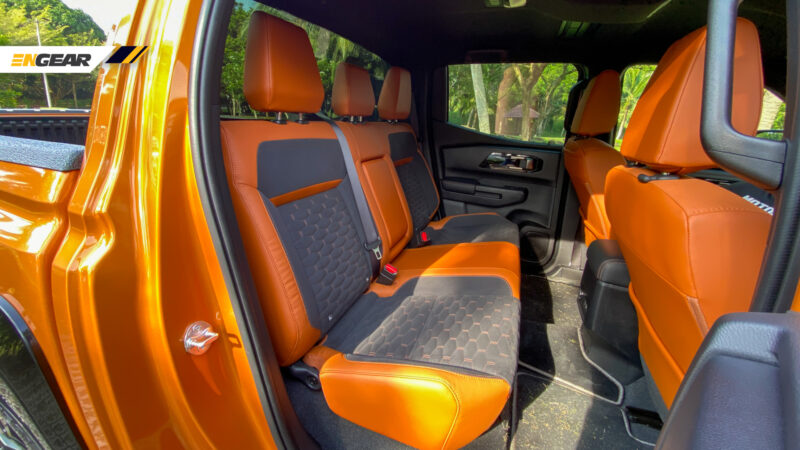
3. Rear Headrest Structure Is Not Passenger (or Driver) Friendly
When I switched to the rear seats, I found that the rear bench of the 2025 Triton offers a comfortable reclining angle that isn’t too upright.
However, this comfort is hindered by the headrest structure, which does not adequately support a comfortable head position.
If you observe, the second-row passenger headrests are tilted forward. Therefore, rear passengers may feel slightly more upright than usual.
The position of the center headrest can also obstruct the rearview mirror’s field of vision, so it’s advisable to remove that headrest if your pickup truck isn’t carrying extra passengers.
You can read our findings and review of the 2025 Mitsubishi Triton at the link below:
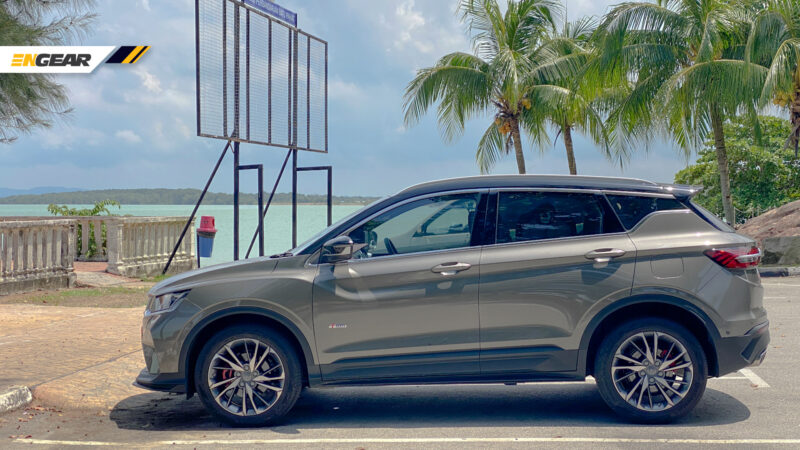
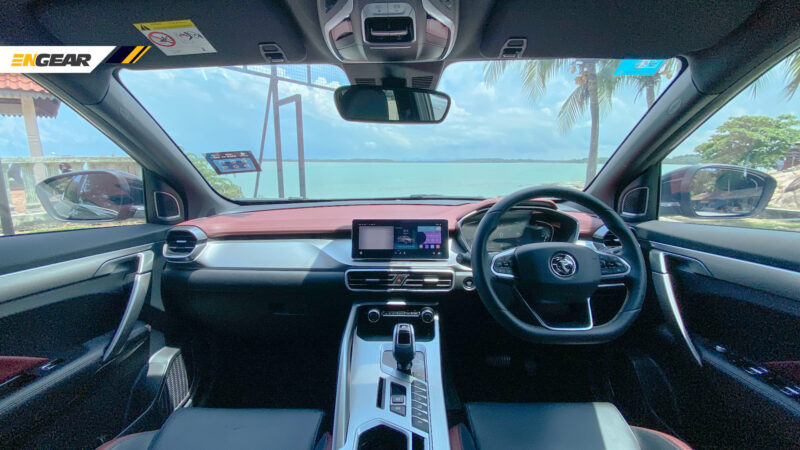
Last year, Proton updated its popular B-segment SUV model, the Proton X50 2024.
At first glance, you might find it difficult to guess what changes have been made, as its appearance remains largely the same as the original model released in 2020.
The engine offerings are also unchanged, with this flagship version we tested equipped with a 1.5-liter TGDi engine producing 177 PS @ 5,500 rpm and torque of 255 Nm @ 1,500 rpm – 4,000 rpm.
The original suspension system has also seen no changes, meaning it still offers handling characteristics nearly identical to the previous model.
So, what has actually changed?
Based on a drive from the Klang Valley down south a few weeks ago, I found one positive aspect of the X50 – improved NVH (Noise, Vibration, and Harshness)!
NVH was one of the criticisms when this model first launched.
However, after driving for several days, I acknowledged that the noise from the tires meeting the road surface has been effectively filtered, making the cabin quieter.
Wind noise is also less noticeable at lower speeds but still exists when the X50 is driven beyond the legal highway speeds.
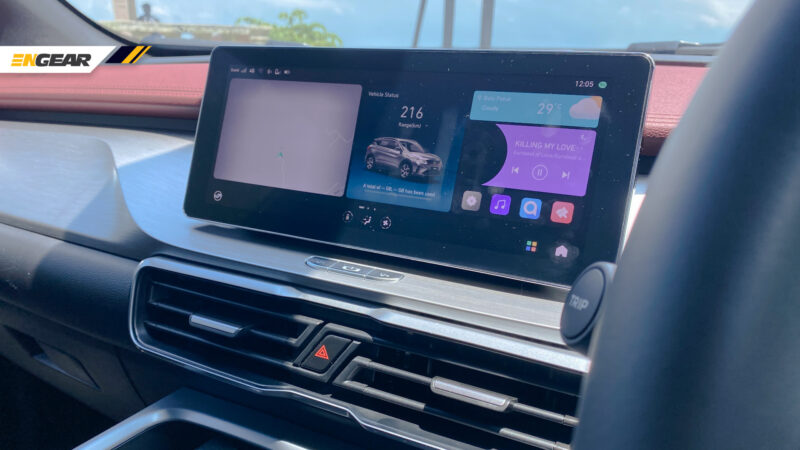
In the cabin, the Proton X50 has been given an upgraded infotainment unit with more powerful and faster processing capabilities.
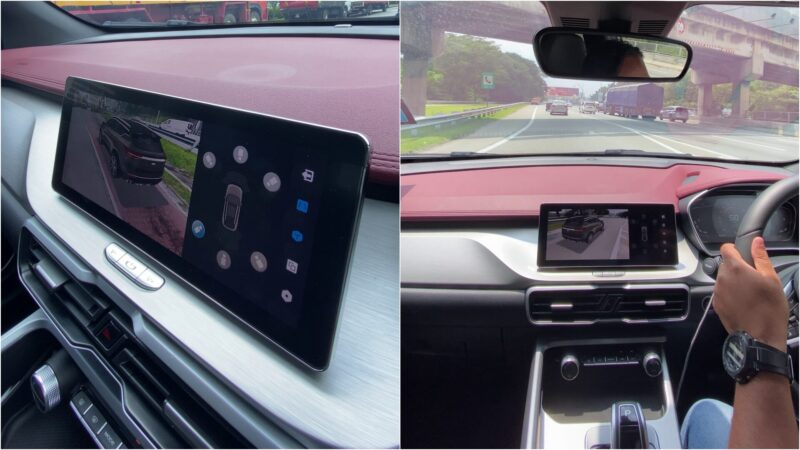
The 360-degree camera system has also been improved, now displaying live three-dimensional images of the vehicle whenever the turn signal lever is activated.
Lastly, the Proton X50 comes standard with a powered tailgate for the flagship variant, making daily driving tasks easier and more pleasant.
It has now become an almost perfect SUV model to consider, except for a few factors that might make you think twice:
1. Still Not a Fuel-Efficient SUV
I’ve tested various SUV models that are not high-performance but come with turbocharged engines. Some of those models can offer reasonable fuel consumption rates, but not the X50.
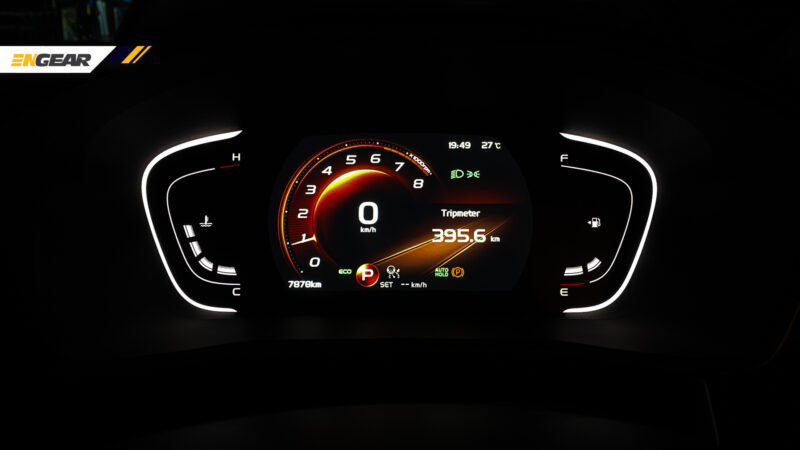
Even when driven normally without sudden acceleration, I found myself needing to refuel every 400 km.
For long-distance driving, this is not very convenient, especially when heading to areas with few fuel station facilities.
2. Still Lacks Apple CarPlay and Android Auto
ONLY FOR 2025 PROTON X70!
Yes, for now, the Proton X50 still lacks standard support for Apple CarPlay and Android Auto.
As an alternative, you can use the MirrorLink function with a charging cable; however, this system is somewhat complicated and inconvenient. If you turn off your phone’s screen, the MirrorLink connection will disconnect.
You will then need to go through the entire process again to reconnect the infotainment system with your smart device.
A more economical alternative would be to purchase a smartphone holder that can be attached to the windshield.
It’s a shame that a car costing RM100,000 still lacks the AACP features that would make driving easier.
If you recall, the Proton X70 2025 facelift was officially launched last August, about two months after the Proton X50 2024 was released.
The difference in launch timing is only a few months, so why hasn’t the Proton X50 been equipped with Apple CarPlay and Android Auto like the Proton X70 facelift?
3. 360-Degree Camera Not Very Helpful on the Road
The presence of a 360-degree camera certainly helps drivers avoid scratching body panels when entering parking areas.
The clearer and sharper display makes the X50 feel more upscale, even though it is an SUV in the RM100,000 price range.
However, I’m not too fond of the default camera angle displayed when the turn signal lever is used, as it doesn’t fully showcase the blind spots on the left and right sides of the vehicle.
You can change the 3D Live Feed display angle by accessing the menu on the touchscreen, but this action is discouraged while the vehicle is moving quickly.
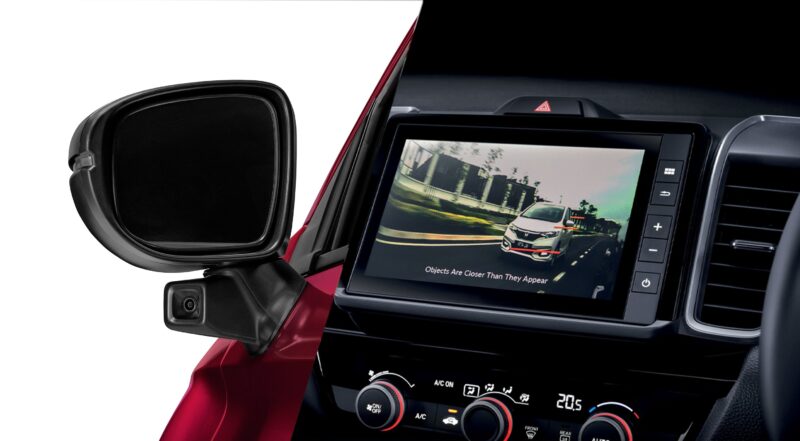
In this regard, I believe Honda’s LaneWatch feature offers more assistance, even though it only covers the left side of the vehicle.
Perhaps in future updates, Proton could adjust the default angle of the 3D Live Feed display to provide a better field of view as a driver aid to prevent unwanted incidents.
With the selling price remaining relatively unchanged at RM103,000, I still consider the X50 to be one of the more worthwhile B-segment SUV models to own.
That is, if you can accept and compromise on the three shortcomings I’ve mentioned above.
The Royal Malaysian Air Force (RMAF) has denied that several aircraft, allegedly identified as the made in the United States F-5E model featured in a video, belong to the air force.
In a statement today, RAMF said the video and images of the aircraft have gone viral on social media platforms, including Facebook, TikTok and X.
“RAMF would also like to clarify that all aircraft it owns are controlled and managed systematically and safely according to RAMF’s operational standards.
“We urge that no further assumptions regarding this matter be made that could lead to speculation or incorrect perception,” read the statement.
Earlier, the 10-second video with images of several fighter jets believed to be located at a port went viral.
In addition to its efforts to revive the rotary engine, a hallmark of the brand, Mazda is also looking to improve its existing internal combustion engine offerings.
According to a recent financial report, Mazda has revealed plans for the development of the new Skyactiv-Z four-cylinder engine.
The results from this Skyactiv-Z four-cylinder engine development will be utilized in the upcoming development of a new inline six-cylinder engine.
This new engine will employ the lambda one combustion method, which represents a balanced air-fuel ratio achieved during the combustion process.
In this scenario, the Skyactiv-Z engine promises operational efficiency and excellent performance while minimizing emissions.
Mazda aims to introduce the Skyactiv-Z engine to the European and American markets by 2027, gradually phasing out the existing Skyactiv-G and Skyactiv-X engines.
In addition to the inline four-cylinder engine, Mazda is also committed to maintaining the rotary engine that has been a defining feature of the brand.
If you recall, earlier this year, Mazda established a special team responsible for research and development on rotary engines.
This team, consisting of 36 engineers, will continue to explore the use of the rotary engine not only as a range-extending unit but also adaptable for carbon-neutral fuel (CNF) to comply with regulations in major global markets.
The Austrian manufacturer of fire and rescue vehicles, Rosenbauer, has unveiled a new model specifically designed for airport operations: the Panther 6×6 Electric.
This vehicle is classified as an Aircraft Rescue and Firefighting (ARFF) vehicle and serves as a zero-emission version of the diesel-powered Panther 6×6.
Despite being powered by an electric powertrain, the Panther 6×6 Electric maintains the same capabilities as its diesel counterpart, featuring a 12,000-liter water tank, a 1,450-liter foam tank, and a 250 kg powder tank.
To propel this 40-ton truck, the Panther 6×6 Electric is powered by four electric motors generating 980 hp (or up to 1,200 hp in boost mode).
Acceleration from 0 to 80 km/h can be achieved in just 19.7 seconds, with a maximum speed of 120 km/h.
Its 256 kWh battery pack provides sufficient energy to carry out tasks within the airport area.
A fast-charging DC system of 300 kW allows the battery to be charged from zero to 100 percent in just 45 minutes.
According to Rosenbauer, over 90 percent of the Panther’s daily operations can be performed solely on electric power.
There is also a backup power system utilizing a diesel engine to provide the necessary power for high-performance pumps during emergency operations.
With this zero-emission truck alternative, it is sure to become a preferred choice among airport operators and the aviation industry in their efforts to achieve decarbonization goals.
Hong Leong Yamaha Motor (HLYM) celebrated the remarkable achievement of producing its 6 millionth motorcycle at its Sungai Buloh factory.
The milestone model is a Yamaha Y16ZR, unveiled during a ceremony attended by Dato’ Prof. Dr. Jim Khor, Managing Director of Hong Leong Industries Bhd; Katsuaki Watanabe, Chairman, Director, and President of Yamaha Motor Japan; Datuk Kwek Leng San, President and CEO of Hong Leong Manufacturing Group; and Datuk Wee Hong, Chairman of the Malaysian Motorcycle and Scooter Dealers Association.
According to Dato’ Jim Khor, “Previously, the production figure of 5 million was a proud achievement reached over a span of 46 months. Today, we celebrate the achievement of 6 million motorcycles produced in just 37 months, marking the fastest million-unit production in the history of the Malaysian motorcycle industry.”
In conjunction with this achievement, HLYM also officially opened Space Y, the first motorcycle museum in Malaysia, which has been recognized by the Malaysia Book of Records.
Located at the Yamaha Motor Lifestyle Station HQ, Space Y features a spacious 9,000 square feet area that showcases engaging exhibits, including historical and racing sections, an innovation tunnel, interactive art spaces, a theater, and an exclusive Space Y merchandise store.
The museum is open daily except on Sundays from 10:00 AM to 5:00 PM, and visitors can enjoy free admission until December 31, 2024. Starting January 2025, an entrance fee of RM5 for adults and RM3 for children will be implemented.
After a year of speculation, Mazda has officially announced plans to turn its Iconic SP concept model into a real production vehicle.
According to Masashi Nakayama, head of Mazda’s design unit, “This concept is not just an empty show car; it has been designed with a genuine intention to transform it into a production model soon.”
Previously, there were hints that Mazda was looking to realize this project.
The first indication came during the Japan Mobility Show 2023, where Mazda President and CEO Masahiro Moro described the Iconic SP as a landmark of the brand’s “commitment to the future.”
Months later, reports emerged that Mazda had joined a coalition aimed at developing internal combustion engines designed to meet carbon neutrality targets, reaffirming the manufacturer’s commitment to maintaining its iconic rotary engines.
Intended as a successor to the RX-7 and RX-8 sports cars, the Mazda Iconic SP features a twin-rotor rotary engine combined with an electric power unit (EV), with a total output capable of reaching 365 hp.
Mazda claims that this range-extending rotary engine can utilize any carbon-neutral fuel, potentially reducing emissions by up to 90 percent.
Additionally, Mazda is currently testing technology that can capture CO2 from exhaust emissions, which may play a crucial role in the development of the brand’s future vehicles.
Looking for a fully equipped and luxurious motorhome?
You might just need a Brabus Big Boy 1200, a tri-axle RV built in collaboration with STX Motorhomes.
Constructed on the Mercedes Actros chassis, this 12-meter-long, 2.5-meter-wide, and 4-meter-high RV boasts amenities such as a bedroom, living room, bathroom, and kitchen, all complete with large clean and wastewater tanks.
It is also equipped with a pair of 43-inch 4K TVs, a PS5 gaming console, and a premium audio system to accompany you on your travels.
Is that not enough space?
STX has also installed up to four electric-powered modules that can be extended for a more spacious and comfortable area to relax or work, complete with hydraulic jacks to ensure structural stability.
The sleeping accommodations include a king-size bed, two sofas, and an additional pull-down single bed located at the rear of the cockpit.
The kitchen is outfitted with various modern appliances, including a cooking stove, oven, freezer, coffee machine, and dishwasher.
Connectivity is not a major issue, as the Brabus Big Boy 1200 comes with a Starlink satellite dish and Wi-Fi router.
Additionally, Brabus has equipped the motorhome with up to eight solar panels, a battery pack, and a power generator to ensure an adequate supply for extended off-grid periods.
To power this tri-axle motorhome, the Brabus Big Boy 1200 is equipped with a 12.8-liter turbo diesel engine producing 523 hp and 2,600 Nm of torque, with a speed limit set at 90 km/h.
The price for one unit of the Brabus Big Boy 1200 starts at €1,260,504.20 (approximately RM6 million).
The Land Public Transport Agency (APAD) has issued a temporary ban on the use of phone charger sockets in express buses following an electrocution incident that recently claimed the life of a teenage boy in Penang, according to a report by Kosmo.
Transport Minister Anthony Loke Siew Fook stated that the temporary ban on the use of phone charger sockets in express buses will remain in effect until a report from a special task force regarding the incident has been completed.
“Currently, all buses equipped with these sockets are prohibited from using them temporarily because we want to determine the actual cause of this incident first.
“After this special task force prepares the report, if there are any improvements that need to be made, the Ministry of Transport (MOT) is ready to cooperate with the Energy Commission (ST) to review the standard operating procedures (SOP) that need to be implemented before the use of these sockets in express buses is allowed,” he said during a session in the Dewan Rakyat today.
He was responding to a supplementary question from Mohd. Nazri Abu Hassan (PN-Merbok) regarding whether the MOT could instruct APAD to ensure that phone charging equipment installed in public transport is tested for safety levels before being approved for use.
Meanwhile, Anthony Loke assured passengers that they need not worry about the safety of using phone charger sockets on planes and trains.
According to him, the charger sockets on planes and trains adhere to standards that must be met by the manufacturers of these vehicles.
“There is no need to worry about using those sockets. For buses, there currently are no such standards.
“To date, during inspections by the Computerized Vehicle Inspection Centre (Puspakom) and others, sockets have not been included as part of the inspections. We will revisit the SOP together with the ST to ensure that the use of sockets in buses adheres to a standard,” he said.
In addition to the Japanese animated series “Initial D” and “MF Ghost,” which feature characters driving Toyota-branded cars, there is also an anime series officially produced by the automaker itself.
The anime series “GRIP,” which can be watched legally on YouTube, is now in its second season and includes Easter eggs that will delight fans.
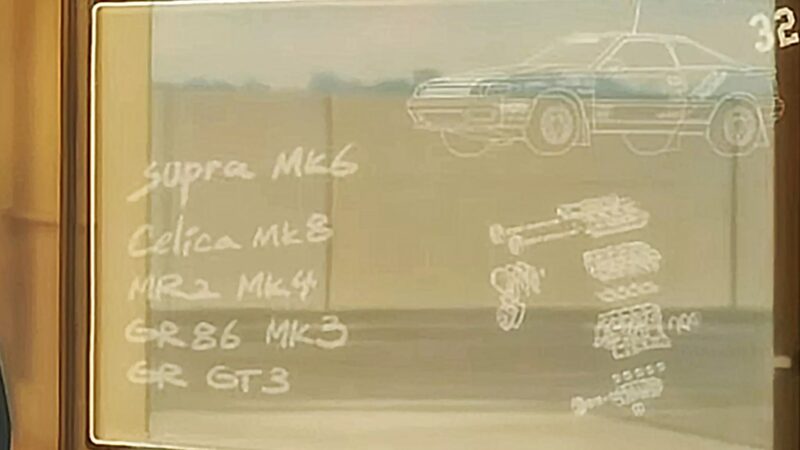
Shared on the Supra MKV forum, one such Easter egg appears on a chalkboard in a scene featuring a list of potential future GR sports cars, including the Supra Mk6, Celica Mk8, MR2 Mk4, GR86 Mk3, and GR GT3.
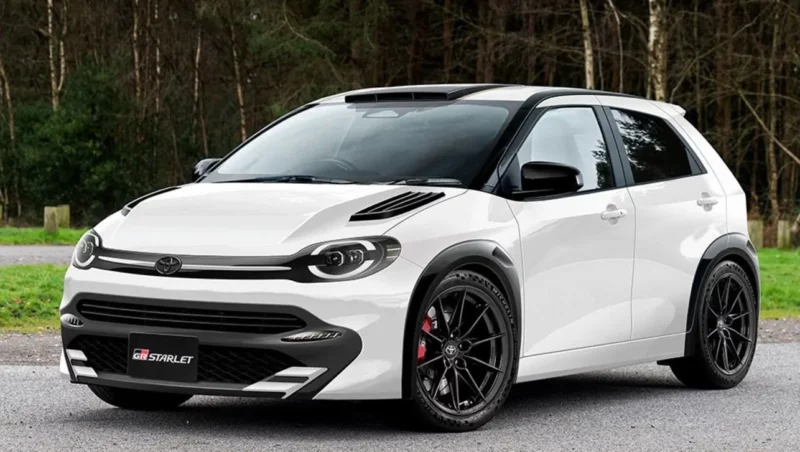
Notably, the GR Yaris and GR Corolla are completely absent from this list, along with the GR Starlet, which has been promoted as an affordable alternative to the GR Yaris hatchback model.
According to several previous reports, Toyota Gazoo Racing is set to revive several iconic names that are part of the brand’s motorsport history.
The Celica is expected to return as an all-wheel-drive coupe with a 2.0L turbo engine delivering 400 hp, while the MR2 is likely to make a comeback as a mid-engine sports car based on the FT-Se concept model.
In addition to the new generation GR86 and GR Supra, there is also the GR GT3/Lexus LFR, which may be powered by a V8 engine.
Toyota is also looking to develop another fast model, the GR Starlet, which will serve as a complement to the existing hot hatch lineup (GR Yaris, GR Corolla).
Unlike the two models equipped with GR-Four all-wheel-drive systems, the GR Starlet will utilize a three-cylinder inline engine producing around 150 hp and 220 Nm, driving only the front wheels.
Touch ‘n Go (TnG) has launched two new campaigns aimed at enhancing the experience of Malaysians using digital wallets.
The e-Mas RFID campaign, which is valid from October 1, 2024, to January 31, 2025, offers TnG eWallet users the opportunity to receive e-Mas, a digital gold that will be credited directly to their accounts.
To qualify, users only need to purchase an RFID tag during the mentioned period, where 100 lucky winners will be selected each month to receive a cash rebate of e-Gold worth RM100.
Meanwhile, the RFID Cashback Rebate campaign offers a RM5 rebate for every purchase of an RFID tag at authorized installation or service centers nationwide, from November 1, 2024, to January 31, 2025.
This rebate will reduce the price of the RFID tag from RM35 to RM30 and is limited to the first 27,500 eligible customers who make payments using the TnG eWallet.
Through this latest campaign, TnG aims to encourage Malaysians to adopt a modern approach to diversifying their savings while integrating daily expenditure more seamlessly, and at the same time, enhancing the user experience through digital innovation.
In conjunction with the celebration of MG’s 100th anniversary, SAIC Motor Malaysia has announced a year-end promotional campaign for the MG4 EV and MG ZS EV vehicle models.
This latest campaign offers up to 20 months of free installments worth RM26,000 for the MG ZS EV model.
Customers can also enjoy 12 months of free installments (valued at RM16,000) for the MG4 EV Lux model, or 8 months of free installments worth RM8,500 for the MG4 EV Standard model.
According to specifications, the MG ZS EV (priced at RM126,629) is a segment B electric SUV equipped with a single electric motor producing 176 PS and 280 Nm, offering a range of 320 km based on WLTP data.
Meanwhile, the standard version of the MG4 EV (priced at RM104,629) features a single rear-wheel drive electric motor with 170 PS and 250 Nm, providing a range of 350 km on a full charge.
The MG4 Lux variant (priced at RM129,620) comes with a more powerful electric motor, delivering 203 PS and 250 Nm, paired with a 64 kWh battery pack that offers a range of 435 km.
In October, Proton recorded sales of 12,799 units for both domestic and export markets, marking a 13.6 percent increase compared to the previous month.
This brings Proton’s year-to-date (YTD) sales total to 125,557 units, placing the national car brand second in the country’s automotive sales rankings.
Among the total sales, the Proton Saga remains a popular choice among buyers, with 6,112 units sold, bringing its YTD total to 60,178 units.
Proton is also hopeful that the Saga’s sales will surpass 70,000 units for the second consecutive year this year.
Although the Saga did not lead its segment, three other Proton models maintained top positions in their respective segments.
The Proton X50 emerged as the best-selling SUV in the B segment last month, with 2,122 units sold, while the Proton S70 returned to the top as the best-selling C segment sedan with sales of 1,432 units.
Proton’s flagship model, the X90, continued to lead sales in the D segment SUV category, recording a total of 245 units sold last month.
At the same time, Proton revealed that its first electric vehicle (EV), the e.MAS 7, will be officially launched next month (December 2024).
Malaysia’s Leading Automotive News | ENGEAR ENGLISH