Tag Archives: EV

BYD to open RM4.7 billion plant in Turkiye to avoid tariffs

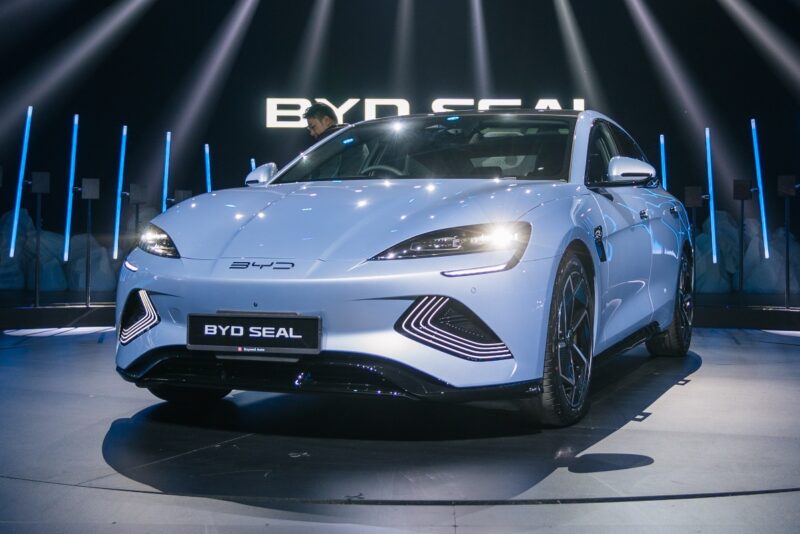
BYD has reportedly agreed to invest $1 billion in an assembly plant in Turkiye as part of its efforts to further expand its brand into the European region.

BYD’s Chairman Wang Chuanfu and Turkiye’s Minister of Industry and Technology Mehmet Fatih Kacir signed an investment deal in Istanbul, witnessed by President of Turkiye, Recep Tayyip Erdogan.

Local media reports claim the manufacturing plant will have an annual production capacity of up to 150,000 vehicles and is expected to create around 5,000 job opportunities.

The plant is expected to commence operations by the end of 2026. However, the specific models to be assembled at the upcoming facility are currently unknown.

The deal comes hot on the heels of the European Union (EU) slapping extra provisional tariffs of up to 38% on EVs imported from China.

To make matters worse for the Chinese manufacturers, Turkiye had previously announced a 40% import tariff on all vehicles from China to protect its automotive industry.

But by establishing an assembly plant in Turkiye, BYD can now bring its cars into Europe without having to deal with the import tariffs, as Turkiye is part of EU’s Customs Union.

China is the world’s largest EV producer, and with the fierce price war in the country, Chinese EV makers have been aggressively exporting their cars overseas.

The influx of Chinese EVs has led several countries to impose high tariffs not only on EVs but also various goods from China to protect their economies.

One way to avoid these tariffs is by starting local assembly operations. BYD has started making its move in the Old Continent with the announcement of assembly plants in Hungary and Turkiye.

On top of that, the brand has recently launched an assembly plant in Rayong, Thailand, cementing its presence in the Southeast Asian region.

smart #3 officially launched in Malaysia – 3 variants, 4-year warranty, from RM175k

SMART #3 was first unveiled to the public at the Malaysia Autoshow 2024 event in May last year, and today, it has been officially launched.

The all-electric EV model, the second from smart in this new era, is offered in three variants with the following prices:

smart #3 Pro: RM175,000
smart #3 Premium: RM215,000
smart #3 Brabus: RM255,000

Pro-Net also announced several warranty packages during the launch, including:

  • 22kWh smartCharge home charger worth RM3,200
  • Accessories package worth RM2,500
  • V2L adapter worth RM800
  • Complimentary 60GB internet data for 5 years
  • Standard warranty package

In addition, the standard warranty for the smart #3 includes a 4-year unlimited mileage vehicle warranty, an 8-year/150,000km high-voltage component warranty, an 8-year/200,000km battery warranty, and 24/7 roadside assistance.

In terms of specifications, the Pro variant has a 49kWh battery, while the Premium and Brabus variants have a 66kWh battery.

The Pro and Premium variants feature a single rear electric motor with an output of 272hp and 343Nm torque, allowing acceleration from 0-100km/h in 5.8 seconds.

The smart #3 Brabus, on the other hand, has two motors on the front and rear axles, with a total power of 428hp and 543Nm torque. As the #3 Brabus is an AWD vehicle, its acceleration from 0-100km/h is much faster, around 3.7 seconds.

The maximum speed for all variants is 180km/h. The driving range is approximately 455km for the Pro and Premium, and 415km for the Brabus.

Both the BRABUS and Premium variants offer the best-in-segment 22kWh AC charger with the ability to charge the battery from 10 to 80 percent in less than 3 hours.

Furthermore, the smart #3 also enhances the latest safety technology, with 23 high-precision sensors supporting 21 ADAS functions to ensure driver safety on the road.

Standard features of the smart #3 include a Panoramic Halo Roof, CyberSparksLED+ with adaptive lighting assistance, and an illuminated front grille.

10 Chinese Automotive Brands in Malaysia

For decades, the Malaysian automotive industry has been dominated by leading automotive brands from the East and West, such as the United States, Europe, and not forgetting the Land of the Rising Sun, Japan.

Not to be forgotten, the contributions of two national automotive brands such as Proton and Perodua, which have provided significant transportation benefits and job opportunities to the local population.
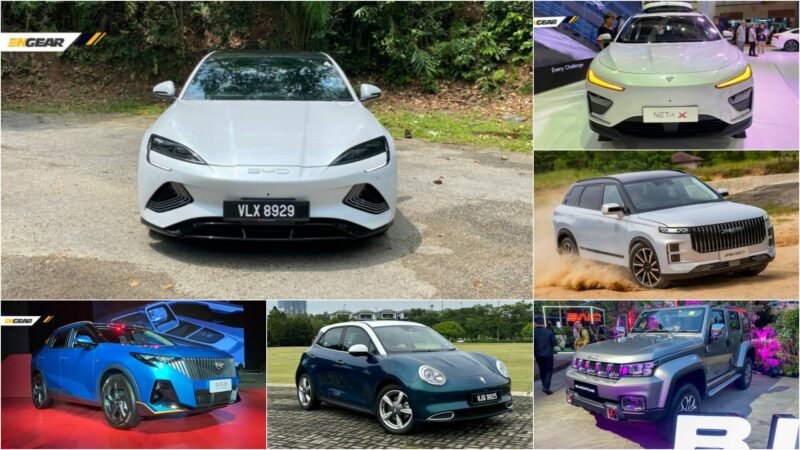
However, in recent years, we have witnessed several Chinese automotive brands entering the domestic market, offering a lineup of products that are able to capture attention at more affordable prices.

Below is a list of Chinese automotive brands that have already established a presence here, as well as some new brands that are set to make an appearance in the future:


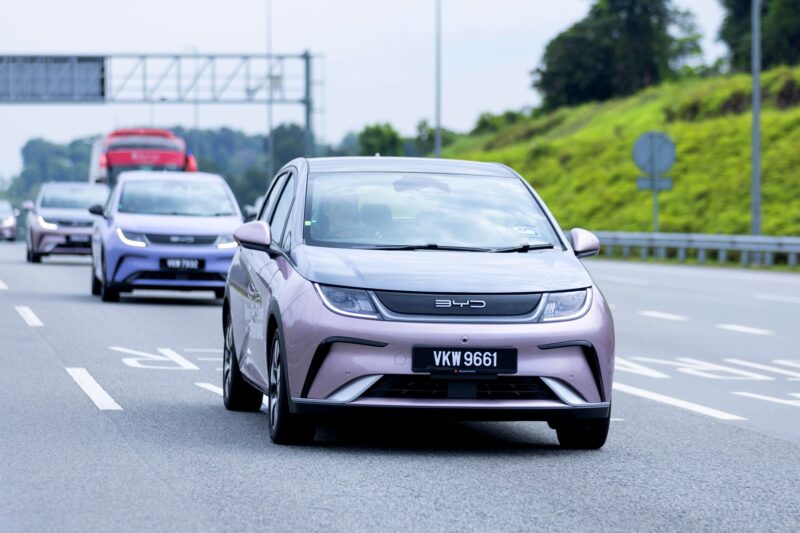
BYD

Under the umbrella of Sime Darby Motors, BYD introduces a range of electric vehicles (EVs) such as Atto 3, Dolphin, and Seal.


BAIC

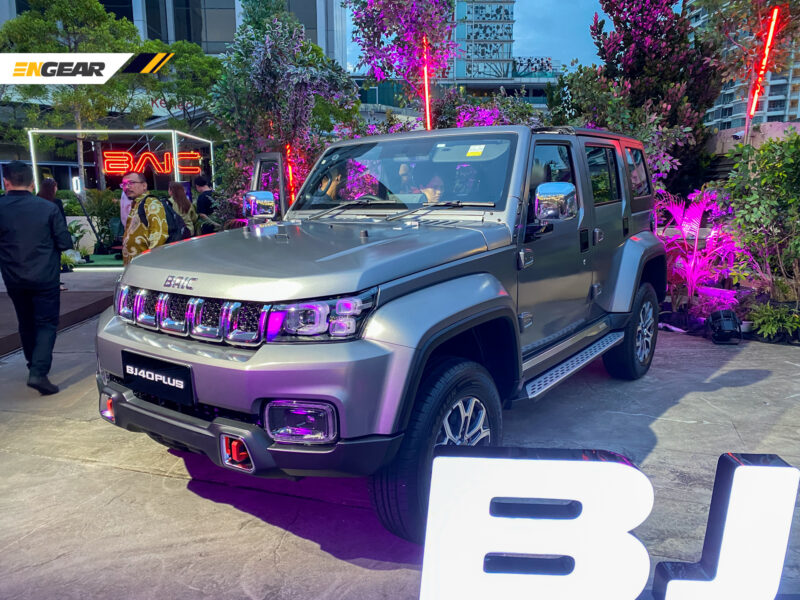
A new brand that recently entered the Malaysian market this year with two SUVs set to be launched soon, namely BJ40 Plus and X55.

It is understood that both SUVs will be offered in Completely Built-Up (CBU) versions before locally assembled (CKD) versions follow later.


Chery

Chery is among the Chinese automotive brands that have had a presence in Malaysia for some time.

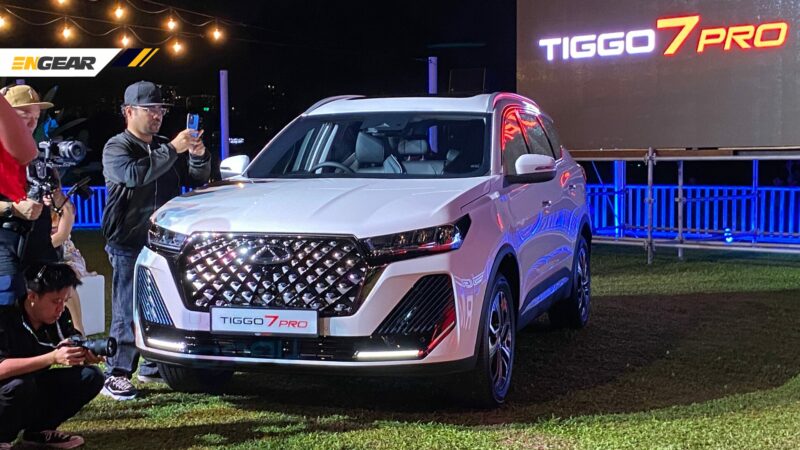
The brand made a comeback in Malaysia in 2022, showcasing attractive models under specialized portfolios such as Jaecoo (J7), Jetour (X70 Plus, Dashing), Tiggo (7 Pro, 8 Pro), and Omoda (5, E5).


GAC

Under WTC Automotive, GAC entered the Malaysian market with the B-segment SUV model GS3 in 2022.

It then replaced the model with the second-generation GS3 Emzoom, followed by the introduction of the EV model GAC Aion Y Plus this year.


Great Wall Motors

Great Wall Motors has also long been established in Malaysia, before its operations were taken over by the subsidiary company, Great Wall Motors Malaysia.

Under GWM, there are several main sub-brands to take note of, such as Ora (Good Cat, 07), Tank (Tank 300), Haval (H6 Hybrid), and Cannon (Ultra).


Maxus

Maxus is a Chinese automotive brand that focuses heavily on commercial models like the T60 pickup truck, panel and window vans, electric-powered delivery van eDeliver 3, large MPV G10, and futuristic electric-powered MPV MIFA 9.


Neta

This EV brand made its official debut in Malaysia last year, under the management of the subsidiary company GoAuto Group.

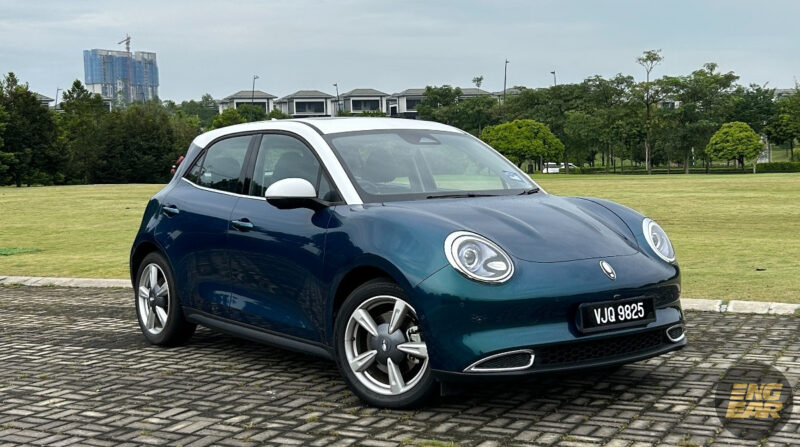
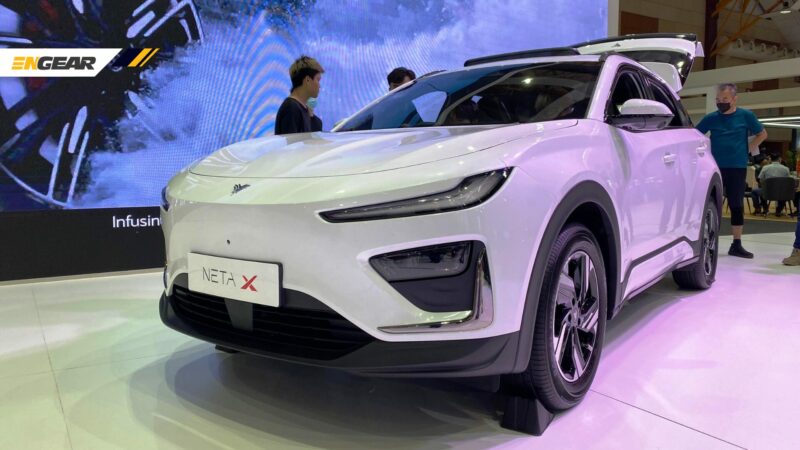
So far, Neta Auto already offers two EV models, the hatchback Neta V and the SUV Neta X.


Leapmotor

Established in 2015, Leapmotor is a company that specializes in electric vehicles.

Now under Stellantis, the brand is expected to enter the Malaysian market in the fourth quarter of this year (Q4 2024) as an affordable EV brand.


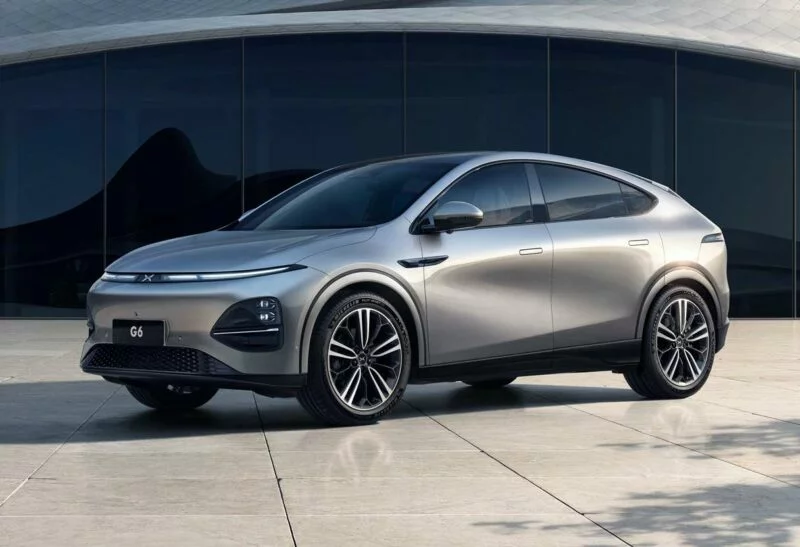
Xpeng

Another Chinese EV brand set to enter Malaysia is Xpeng, after its distribution rights were acquired by Bermaz Auto.

At the moment, no specific launch date has been announced regarding the official debut of this brand in the local market.


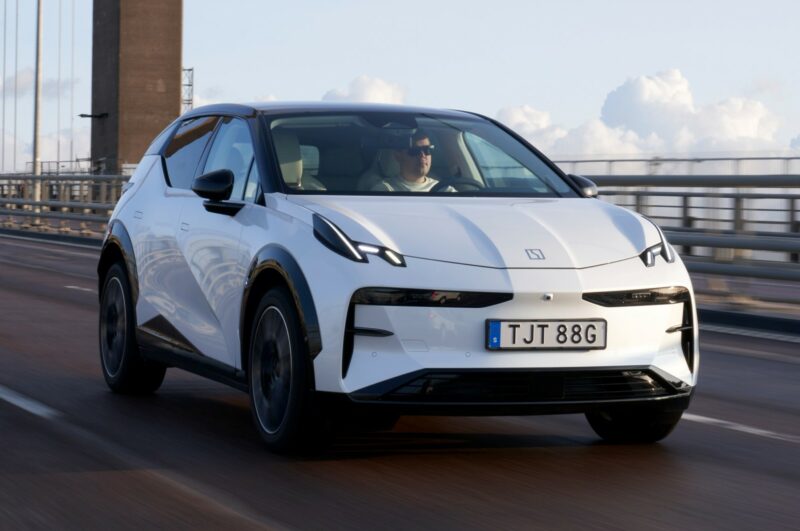
Zeekr

A premium EV brand owned by Geely, Zeekr is expected to make its official debut this year, following a collaboration with Sentinel Automotive.

Two exciting models set to arrive in Malaysia are the electric SUV Zeekr X and the luxurious minivan Zeekr 009.

Lexus RZ 450e now in Malaysia, starting from RM430k

Lexus Malaysia recently announced the arrival of the all-new electric SUV, the Lexus RZ 450e 2024, for the local market, offered in a single Luxury variant only.

Reservations for this model are now open, with a starting selling price of RM429,888 on the road without insurance.

Here is a brief overview of the specifications of the Lexus RZ 450e Luxury electric SUV:


Dual electric motor configuration

The Lexus RZ 450e comes equipped with two electric motors as standard, comprising a front motor with 201 hp/266 Nm and a rear motor with 107 hp/169 Nm.

Altogether, the Lexus RZ 450e is capable of producing a power of up to 308 hp that drives all wheels through the DIRECT4 propulsion system. It includes three driving modes: Confidence, Control, and Comfort.


Range of 440 km

The Lexus RZ 450e comes with a 71.4 kWh battery pack allowing for a range of 440 km on a full charge (WLTP data). The lithium-ion battery can be charged using AC charging up to 11 kW, or rapid DC charging up to 150 kW.


“Seamless E-Motion” Design

Despite sharing the same e-TNGA platform as the Toyota bZ4X, Lexus has used its own design approach to make the RZ 450e model more premium in appearance. The powerful exterior character is the result of the “Seamless E-Motion” design concept inspired by the cheetah.

The iconic Spindle grille structure found on any Lexus vehicle has been replaced with the BEV Spindle Body for the RZ model. There are six color options offered for the Malaysian market, including Sonic Copper, Sonic Chrome, Graphite Black Glass Flake, Sonic Quartz, Sonic Iridium, and the new Aether Metallic color.


Tazuna Concept Cabin Space

Similar to the latest Lexus models, the Lexus RZ 450e cabin also adopts the Tazuna concept where all driving control buttons are focused on the steering wheel. It features an 8-inch digital cluster screen, a 14.0-inch infotainment screen intentionally positioned towards the driver, a head-up display (HUD) screen, and the Mark Levinson Premium surround sound system with 13 speakers.

Among other features are the Lexus Climate Concierge, nanoe™ X air filtering system, 64-color cabin lighting, and a Tsuyasumi-designed center console that delivers a glossy charcoal effect. The Lexus RZ 450e also prioritizes the use of eco-friendly materials, for example, seats made of Sustainable Grayscale Utrasuede and door panel trims made of recycled PET material.


Lexus Safety System (LSS+)


As standard, the Lexus RZ 450e comes with the third-generation Lexus Safety System (LSS+) safety features, including various world-class functions, along with the Lexus Teammate Advance Park assistance, surround-view camera, and 12 ultrasonic sensors.

According to Lexus Malaysia, the Lexus RZ 450e Luxury will only be offered in limited units, with each owner being covered by a five-year unlimited mileage manufacturer’s warranty, as well as an eight-year unlimited mileage warranty for the battery system, extendable for two years.

Southeast Asia’s largest public EV fast-charging hub to be built in Singapore

VOLT Singapore, the electric vehicle (EV) charging arm of Keppel’s infrastructure division, announced that it has been awarded a contract to implement and operate a public EV fast-charging hub at Jalan Papan.

The contract was awarded by Setsco Services, a wholly-owned subsidiary of VICOM Ltd. Setsco will provide electrical infrastructure and facilities while Volt operate the fast-charging hub for up to 15 years.

According to Volt, it will be the largest public EV fast-charging hub in Southeast Asia. It will feature up to 80 DC charging points of 360 kW and 120 kW ratings to serve the general public, including electric buses, taxis, private hire cars, and other EVs.

The first phase, which is expected to be operational in the first half of 2026, will feature five 360 kW DC chargers that can accommodate up to 30 electric buses and EVs.

When fully operational, the facility can support concurrent charging for up to 80 electric buses, with charging time for electric cars as fast as 10 minutes.

“Volt looks forward to supporting the transition to EVs, especially for commercial fleets and electric buses to reduce emissions, promoting sustainable transportation,” said Lim Yong Wei, Executive Director of Volt.

This initiative is in line with the Singapore Green Plan 2030, supporting the nation’s electrification efforts by significantly enhancing the charging infrastructure for EVs.

From January to May this year, EVs accounted for about one in three new cars registered in the city, almost twice the figure recorded in 2023, which was 18.1%.

Hyundai, LG open first EV battery plant in Indonesia

Hyundai Motor Group and LG Energy Solution inaugurated the opening of the first electric vehicle battery production plant in Indonesia last week.

With an annual battery cell capacity of 10 Gigawatt-hours (GWh), the plant is capable of supplying the battery packs needed for over 150,000 EV units, starting with the Kona Electric followed by various Hyundai and Kia models.

The opening of the plant is part of both parties’ commitment to invest up to $9.8 billion (RM46.14 billion) to develop the EV supply chain in the largest economy in Southeast Asia.


Hyundai and LGES are also prepared to develop the second phase of the plant involving a $2 billion (RM9.42 billion) investment to increase the annual battery cell capacity by 20 GWh.

Indonesian President, Joko Widodo, explained that the battery plant will strengthen Indonesia in the global EV supply chain.

“This is the first and largest EV battery cell plant in Southeast Asia, and I believe we will be able to compete with other countries due to the availability of nickel, bauxite, and copper resources here,” he said.

Indonesia has the world’s largest nickel reserves, where the country imposed a ban on raw nickel exports in 2020 to encourage investment in domestic metal processing.

Free parking for EVs in cities soon?

IN an effort to promote the use of electric vehicles (EV), Housing and Local Government (KPKT) Minister Nga Kor Ming said the government is considering waiving parking fees for EVs in cities.

According to a report by The Star, Nga said that the proposal is being mulled following the recent announcement to introduce “green plates” for EVs.

He added that his ministry is in discussions with the respective local councils to consider the feasibility of the proposal.

Nga cited London as an example, where a congestion fee of about RM90 per entry is imposed on non-EV cars into the city while EVs are exempted from parking fees.

In May, Transport Minister Anthony Loke, announced a new road tax structure for EVs that is up to 85% lower than the outgoing one.

It’s really nice to own an EV in Malaysia…

It is commendable that the government is always seeking ways to accelerate and promote the use of EVs among the public but as we know, all EVs in Malaysia are being sold above the RM100,000 mark, meaning those who can actually afford them are from the upper-middle to upper class.

So why does the government feel the need to give free parking to them? As far as this writer is concerned, parking fees have never been an issue for them.

It does feel like EV owners have been given enough privileges. Not only they are exempted from paying road tax until 2026, they can now park for free whenever they enter the city.

Instead of continuously giving away more benefits to just one group of people, it would be better if the government shifts its focus to bettering public transportation services so that they can be fully utilised by the rakyat.

Pro-Net to fully manage Proton e.MAS brand

In addition to smart, Proton’s wholly-owned subsidiary Pro-Net will take under its wing the Proton e.MAS EV brand, which was officially launched on June 12, 2024.

In an official statement, Pro-Net said it is tasked with the crucial responsibilities of establishing the e.MAS brand, enhancing its market presence, and preparing for upcoming product launches.

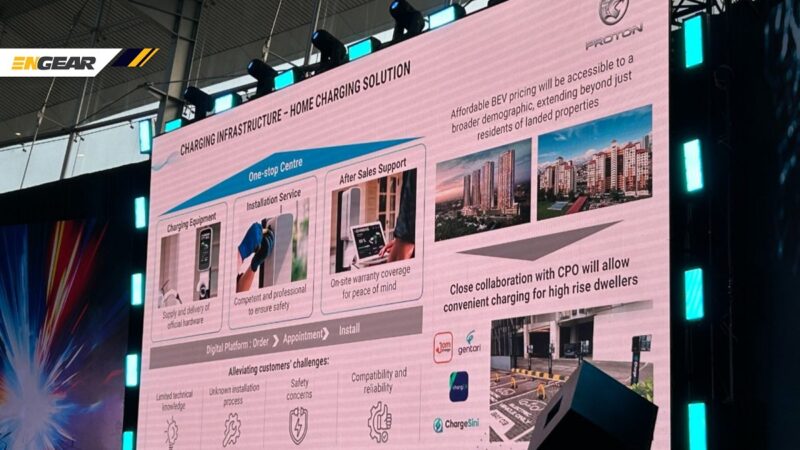
Pro-Net’s roles roles include recruiting a dedicated team, setting up a robust dealer network, and fostering partnerships with charging providers to ensure a seamless EV ecosystem.

With a proven track record from successfully launching the smart #1, currently a top contender in the premium SUV segment, and the impending introduction of the smart #3, the company is well-equipped to champion the e.MAS brand.

The Pro-Net team The team leverages its well-established networks, digital platforms, and expert personnel to ensure that e.MAS not only matches but surpasses the success seen with the smart models in the EV landscape.

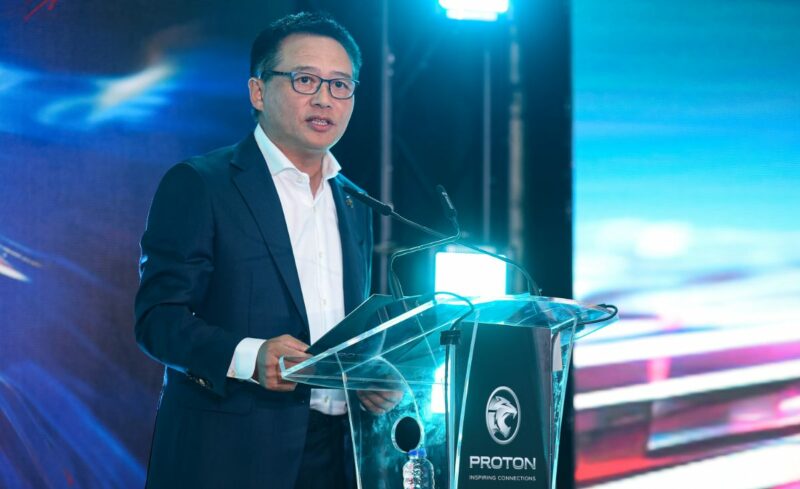
Dr Li Chunrong, Chief Executive Officer of Proton, expressed confidence in Pro-Net’s capabilities.

“The expertise Pro-Net has developed over the past two years positions us uniquely to elevate Proton e.MAS to the forefront of the EV industry.

“Our future customers will benefit from a holistic range of services that not only meet but exceed their expectations, similar to the premium experience provided to smart vehicle owners,” Dr. Li said.

The excitement surrounding the e.MAS brand was evident as over 25,000 participants entered the recent contest to guess the new brand name.. The winners are as follows:

  • Grand Prize of RM5,000 – Puteri Hanna Batrisha binti Ibrahim
  • Runner-up Prize of RM1,500 – Noor Hidayah Binti Mohd Rodzi
  • Third Prize of RM1,000 – Ahmad Norrizzuan Bin Noor Azhar

Pro-Net also announced that e.MAS’s official social media accounts are now live under the username “Proton e.MAS Cars” for Facebook and Xiaohongshu, and “@protonemasofficial” for Instagram and TikTok.

Suzuki stops selling Ignis, Jimny, Swace & Swift Sport in the UK

Suzuki is reported to be taking a drastic step by discontinuing the sales of four of its key models in the UK to make way for electric vehicle (EV) models.

The four vehicle models in question are the Suzuki Ignis, Suzuki Jimny LCV, Suzuki Swace, and Suzuki Swift Sport.

These four pure internal combustion engine (ICE) models will cease sales as early as 2025, or possibly sooner if distributor stocks run out.

This means that Suzuki will only have a lineup of hybrid models next year, consisting of the new generation Swift, Vitara, S-Cross, and Across PHEV, before the first EV emerges after the second half of 2025.


According to Dale Wyatt, the boss of Suzuki UK, “We will be exiting the ICE era with a focus on SUVs and the new Swift, and then starting in the second half of 2025, we’ll begin a period of EV growth.”

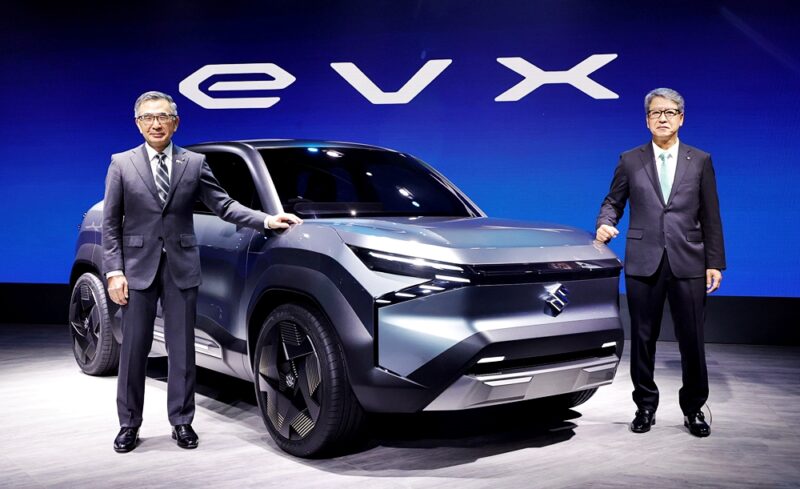
Previously, Suzuki showcased the eVX concept model almost the same size as the Grand Vitara SUV.

Electric power specifics were not disclosed, except for a 60 kWh battery capacity that allows a range of up to 550 km on a full charge.

Are you ready to welcome Suzuki’s EV offerings in the future?

Honda, Mitsubishi form ALTNA company to assist in more efficient EV battery management

A few weeks ago, Honda Motor Company and Mitsubishi Corporation announced the establishment of a new 50:50 joint venture company named ALTNA in Japan.

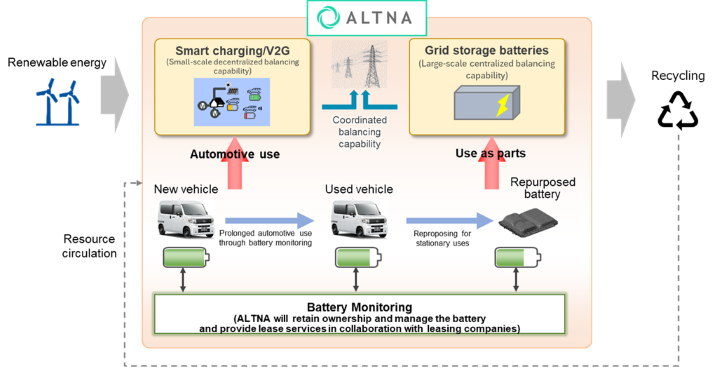
The primary goal of this new company is to help optimize the costs of electric vehicle (EV) usage, enhance battery life value, and circulation of resources in Japan, as well as to support the increasing demand for energy through the use of grid storage batteries.

ALTNA is set to introduce three main businesses in the future, namely EV battery leasing, battery recycling, and smart charging plans.


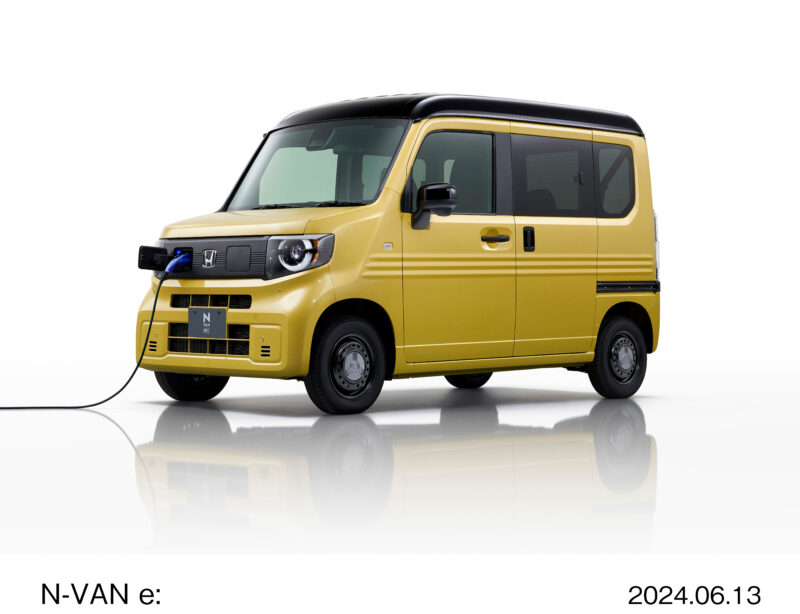
ALTNA will begin offering EV battery leasing plans through the Honda N-VAN e: model, where they will completely manage the leased battery ownership process and monitor usage levels throughout the lease period.

The data collected will be utilized for the purpose of improving reliability levels measured through various parameters.

Once these batteries reach the end of their lifecycle, they will be repurposed as grid storage batteries. ALTNA will also ensure that these batteries are recycled following correct procedures.


Through the smart charging business, ALTNA will offer plans that help users avoid peak charging times, thus reducing costs overall.

Furthermore, ALTNA’s charging plans will prioritize the use of renewable green energy for EV charging if there is surplus energy available on the power grid.

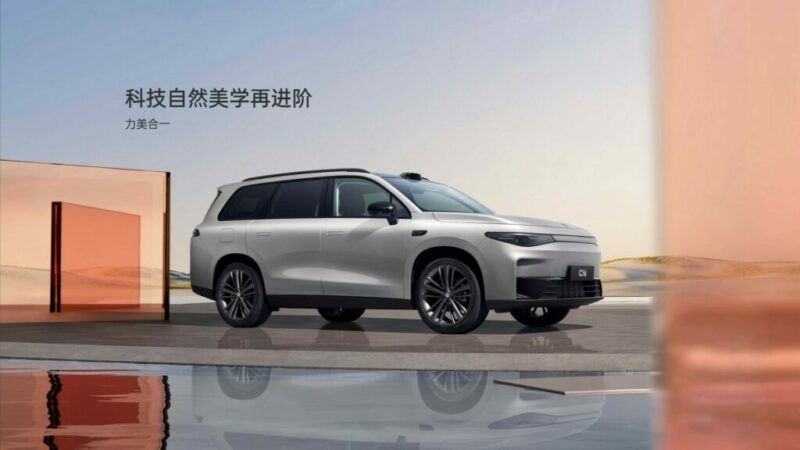
Leapmotor C16 launched in China, boasts a range of up to 1,095 km!

STELLANTIS-backed Chinese EV manufacturer Leapmotor has launched its latest product, a mid-size SUV known as the C16.

Exterior-wise, the C16 follows in the footsteps of the automaker’s first global model, the C10, with its full-width headlights and tail lamps, and flush door handles.

However, the new model is slightly larger, measuring 4,915 mm in length (+176 mm), 1,905 mm in width (+ 5mm), and 1,770 mm in height (+90 mm). The wheelbase, which measures in at 2,825 mm, is identical to that of the C10.

Inside, the C16 continues the minimalist design seen in the C10. Right in front of the driver is a 10.25-inch instrument panel, while sitting atop the clean dashboard is a 14.6-inch touchscreen powered by a Qualcomm Snapdragon 8925 chip.

Here, the C16 can be distinguished by the 2-2-2 seating configuration. The second row features electrically adjustable captain chairs, which, in addition to having heating and ventilation functions, can recline up to 145 degrees.
Meanwhile, the third-row seats can recline up to 10 degrees and have armrests with a width of 120 mm. Leapmotor claims that the headroom in the final row is 947 mm.

Other niceties include a rear seat entertainment system with a ceiling-mounted 15.6-inch screen, a premium audio system with 21 speakers, dual-zone air conditioning (three zones for higher variants), and a 15W wireless charger.

For safety, the C16 is equipped with the Pilot Intelligent Driving Assistance System, encompassing 30 sensors to achieve level 3 autonomous driving.

Like the C10, the C16 is available in fully electric or range-extender hybrid guises. The EV version is equipped with a 67.7 kWh LFP battery offering a range of up to 520 km.

It also has an electric motor generating 292 PS and 360 Nm, allowing the SUV to accelerate from 0 to 100 km/h in 6.4 seconds.

Meanwhile, the range-extender hybrid version features a combination of a 1.5-litre engine, a 28.4 kWh battery pack, and a rear-axle electric motor with 231 PS and 320 Nm. It has a range of up to 200 km on electric power alone or up to 1,095 km with engine assistance.

In China, the C16 is offered in a total of six variants (three for the EV, three more for the range extender) with prices ranging from 155,800 to 185,800 yuan (RM101,067-RM120,528).

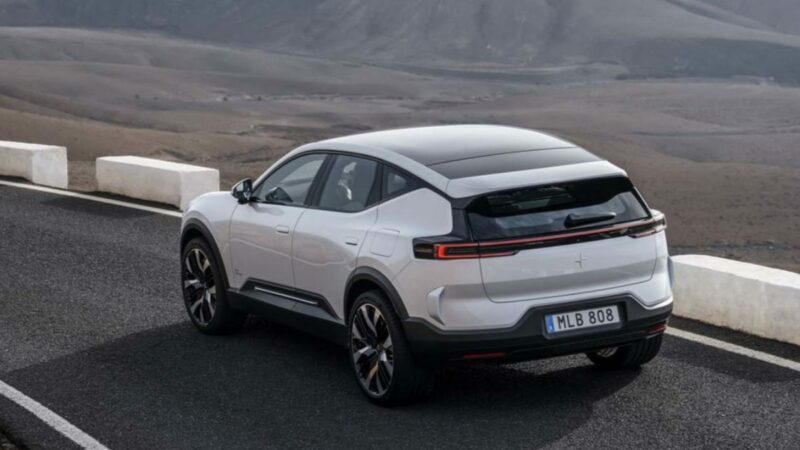
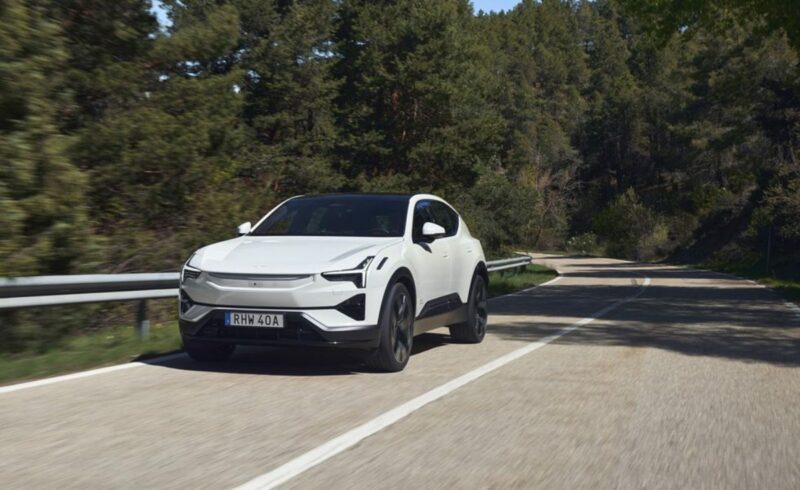
Polestar 3 SUV now with a more ‘affordable’ single motor RWD option

The Polestar 3 has been launched in the European market, and the manufacturer has now confirmed that they will offer a single electric motor version that is more affordable.

This variant will be an addition to the Long Range Dual Motor and Long Range Dual Motor Performance models, both of which are all-wheel-drive models. The new RWD single electric motor variant will provide lower power but potentially more driving range.

With only one motor at the rear, the Polestar 3 RWD has 295hp and 490Nm of torque, which is lower compared to the 483hp of the regular Dual Motor and 510hp of the Dual Motor Performance. The supplied battery remains the same, at 107kWh with DC charging capability at a rate of 250kW.

Official figures are not yet available, but Polestar has stated that this single motor version can be driven over 640km, exceeding the range of the dual motor models.

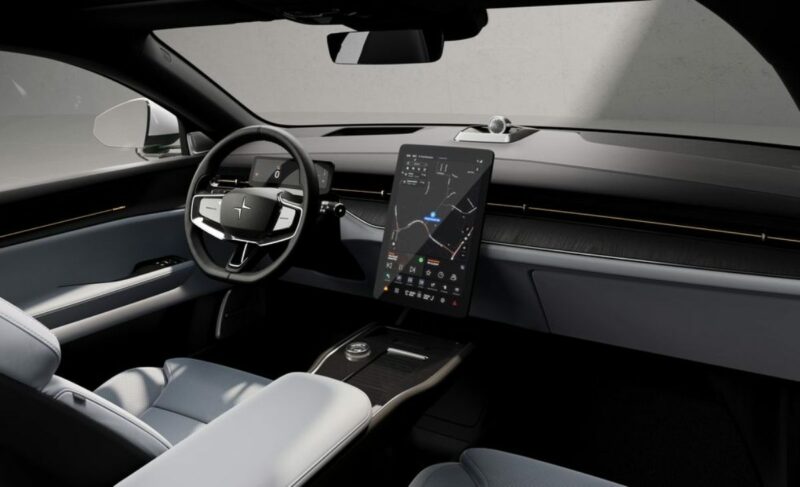
Despite having ‘only’ one motor, the features and equipment on this RWD model are similar to the dual motor models. There are six color options, four wheel choices including a new 21-inch alloy set, and several cabin trims available.

The price is also lower compared to the dual motor models. It will be interesting to see the comparison between this Polestar 3 RWD and the Tesla Model Y RWD Single Motor.

Mercedes wants to put big chunks of its budget into combustion engines

After realizing that their electrification goals may be too ambitious, Mercedes is now allocating a significant portion of their budget to internal combustion engines.

According to an interview with the German media Wirtschaftswoche, Mercedes CEO Ola Källenius stated that ICE (internal combustion engine) technology “will persist until after 2030”. Significant investments are needed to ensure that these engines continue to comply with increasingly stringent standards.

Källenius mentioned that the S-Class and its facelift are expected in 2026, stating, “We have invested significantly more in updating the S-Class model with combustion engines than we typically do for a facelift.”

Mercedes’ goal is to ensure that their conventional engines are at the “highest level of technology”. Without significant investment in petrol and diesel engines, the luxury brand “will abruptly halt combustion engine sales around 2027 or 2028”.

Mercedes realized the need to acknowledge that the transition to EVs was not progressing as planned. Three years ago, they mentioned that PHEV and EV vehicles would represent approximately 50 percent of annual sales by 2025.

However, it seems unlikely. At one point, Mercedes stated they would be fully electric by 2030 in some countries “if market conditions allow”.

Now, their new goal is for PHEV and EV to represent half of sales by the end of this decade (2030). However, according to Källenius, the objective for carbon neutrality by 2040 remains unchanged.

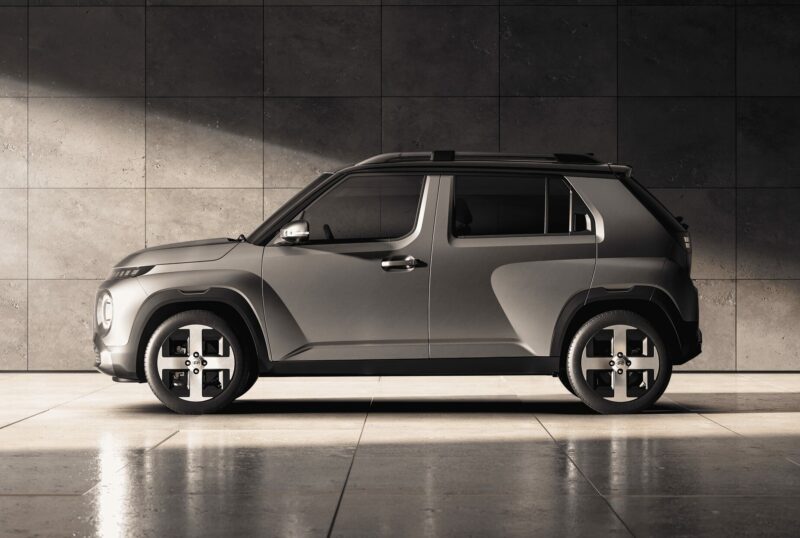
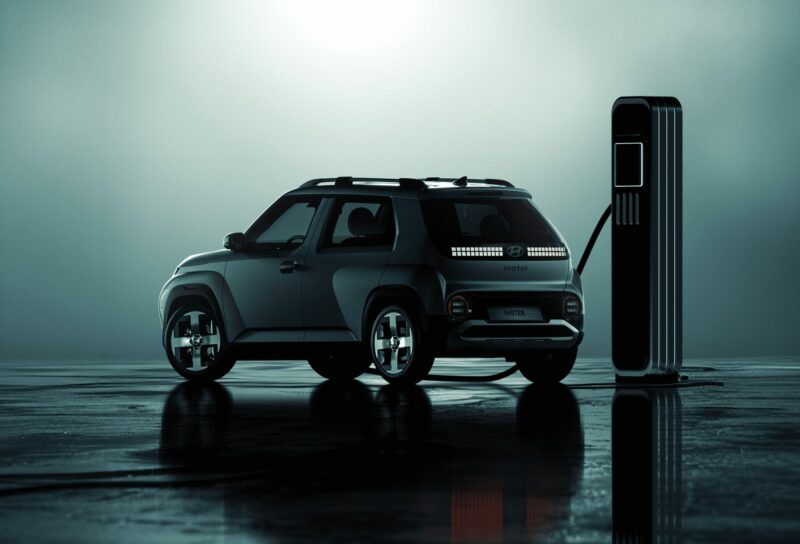
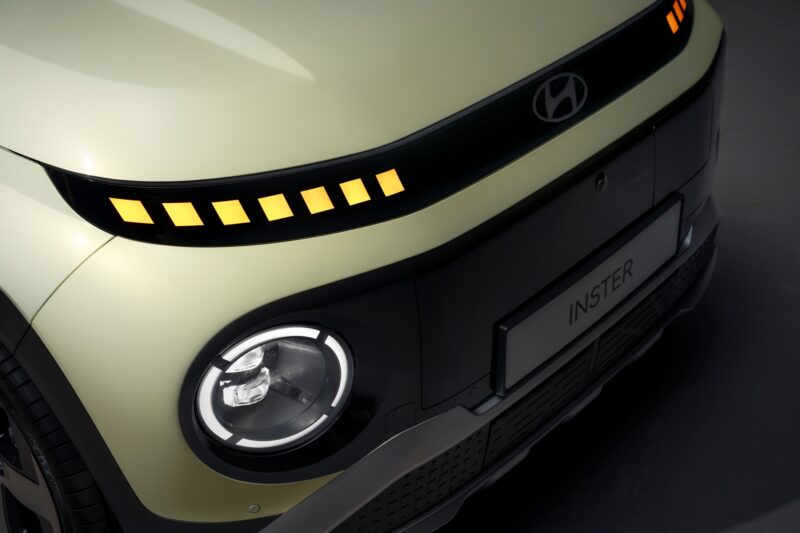
Hyundai Inster breaks cover with 355 km range, 120 kW DC charging

HYUNDAI has introduced the Inster, its subcompact electric vehicle (EV) that is set to compete in the A-segment market.

Developed based on the Korea-only Casper, the Inster will be offered in two versions, namely Standard and Long Range.

The former features a single electric motor with 97 PS and 147 Nm, along with a 42 kWh battery pack promising a range of up to 300 km on a full charge based on the WLTP cycle.

Meanwhile, the latter is also fitted with a single electric motor but with a higher power output of 115 PS. Its battery capacity is also larger at 49 kWh, allowing the Inster to cover a distance of up to 355 km.

Hyundai claimed that the Inster can complete the 0-100 km/h 11.7 seconds for the Standard and 10.6 seconds for the Long Range. The maximum speeds are limited to 140 km/h and 150 km/h, respectively.

The Inster supports DC fast charging with a capacity of up to 120 kW, which takes 30 minutes to recharge the battery from 10% to 80%.

It also comes with an 11-kW AC charger that can fully charge the battery in 4 hours for the Standard version and 4 hours 35 minutes for the Long Range. A Vehicle-to-Load (V2L) feature is also onboard.

In terms of dimensions, the Inster measures 3,825 mm in length, 1,610 mm in width, 1,575 mm in height, with a wheelbase of 2,580 mm.

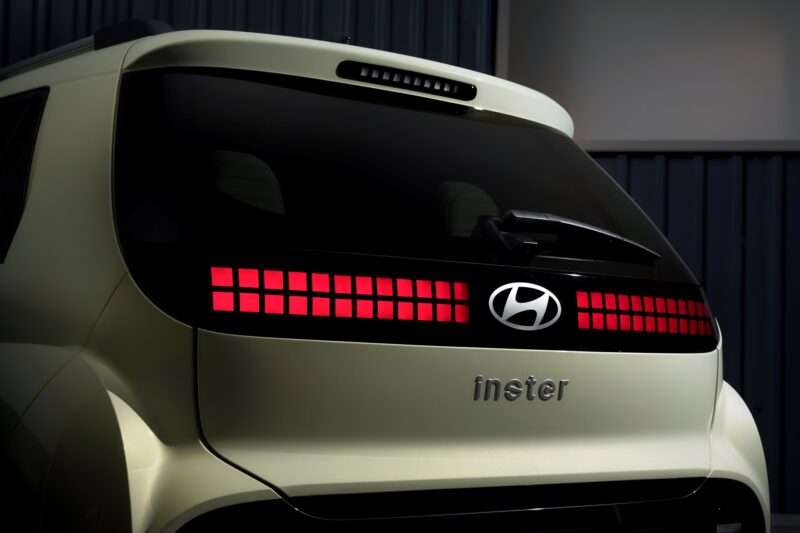
Regarding its exterior design, it is not far off from the Casper, but evidently, the Inster has more unique LED daytime running lights with pixel-graphic turn signals and rear lights. The wheels are available in 15-inch (steel or alloy) or 17-inch (alloy), depending on the specification.
Exterior colour choices include Atlas White, Tomboy Khaki, Bijarim Khaki Matte, Unbleached Ivory, Sienna Orange Metallic, Aero Silver Matte, Dusk Blue Matte, Buttercream Yellow Pearl, and Abyss Black Pearl.
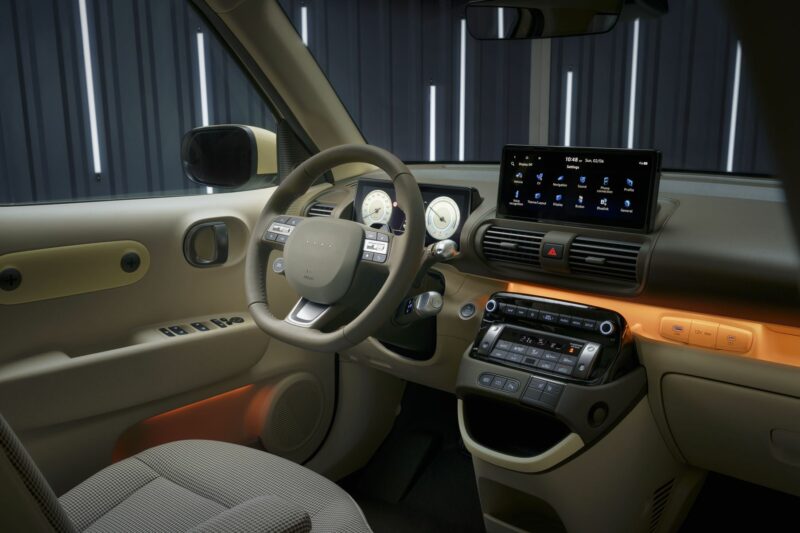
Inside, the Inster focuses on technology and convenience through a 10.25-inch digital cluster, a 10.25-inch infotainment system screen, and a wireless charger on the centre console. Customers can choose between black, Khaki Brown, or Newtro Beige two-tone colours with full cloth trim.

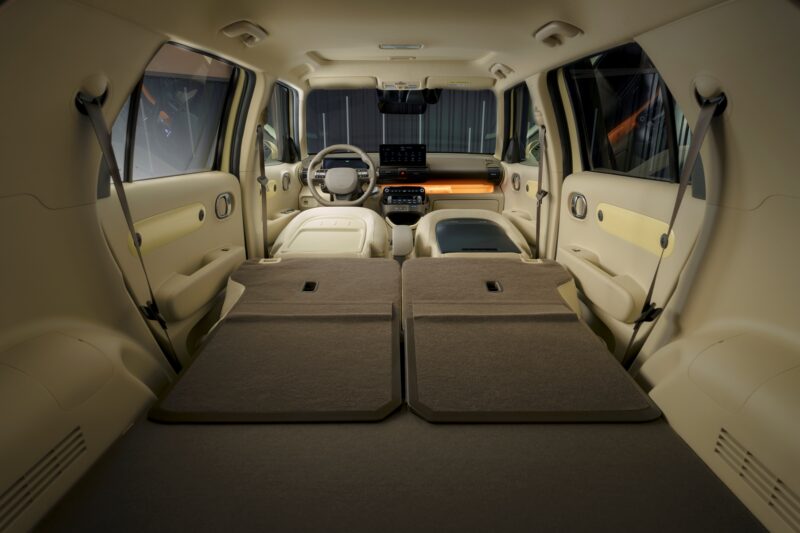
On the practicality side of things, all seats, including the driver’s seat, can be folded flat. The second-row seats are split 50/50 and slide and recline. The trunk capacity is 280 litres, expandable up to 351 liters by sliding the rear seats forward.

Hyundai said both the exterior and interior of the Inster utilise sustainable materials. For example, the black high-gloss finish is painted using recycled paint, while for the cabin, the automaker used recycled PET bottles and bio-polypropylene material extracted from sugarcane.

Safety-wise, there’s a comprehensive Advanced Driver Assistance System (ADAS) suite that includes features like Surround View Monitor, Parking Collision-Avoidance Assist Rear, Blind-spot View Monitor, Forward Collision-Avoidance Assist 1.5, Lane Keeping Assist (LKA), Blind-Spot Collision-Avoidance Assist, Smart Cruise Control with Stop & Go, Safety Exit Warning, Highway Driving Assist 1.5, and more.

Unlike the Casper, which is only available in South Korea, the Inster will enter the European, Middle Eastern, and Asia Pacific markets.

Vendor for EV plate number to be finalised – Ministry

THE development of special number plates for electric vehicles (EVs) is in its final stages, awaiting technical finalisation before the official launch.

Transport Minister Anthony Loke said the government is in the process of appointing a vendor to oversee the implementation.

“We are currently finalising the technical aspects. Once this is completed, we will promptly make the announcement,” he told reporters at a memorandum of understanding (MoU) signing between Batik Air and Kia on a new private terminal transfer service.

Loke emphasised that while the adoption of these plates will initially be voluntary, new EVs will be required to bear them as a mandatory measure.

“For existing EV owners, they will have the option to switch to the new plates,” he said.

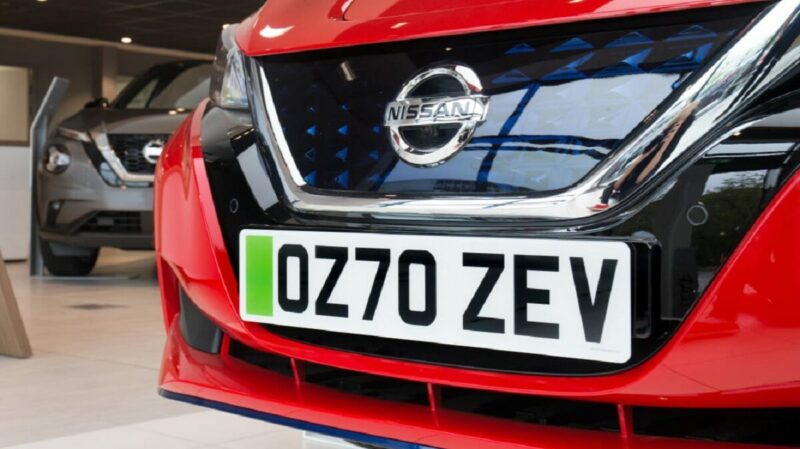
Previously, the Transport Ministry announced that all EVs across the country will eventually be issued special number plates beginning with ‘EV’ followed by the registered number and so forth (e.g. EV1, EV2).

The ministry also said the road tax pricing structure for EVs would undergo a thorough review.

The government intends to align its policies with the goal of promoting EV adoption in Malaysia as part of its sustainability objectives.

The special number plates are also said to incorporate RFID technology as an additional feature.

No specific timeline was given when these initiatives will be implemented.

Fisker recalls Ocean SUV before files for bankruptcy

Fisker may not be widely recognized by the younger generation today, but the company is among the earliest electric vehicle (EV) manufacturers alongside Tesla.

However, recently, Fisker has filed for bankruptcy through Chapter 11 protection. This makes them the second EV company to do so after Lordstown Motors.

This news comes less than two weeks after Fisker issued a recall for nearly all 6,864 units of its Ocean SUV, related to an issue with the Motor Control Unit (MCU).

“Like other companies in the electric vehicle industry, we have faced various market and macroeconomic headwinds that have impacted our ability to operate efficiently,” Fisker wrote in a statement.

“After evaluating all options for our business, we determined that proceeding with a sale of our assets under Chapter 11 is the most viable path forward for the company.”

According to Fisker’s statement, the previously announced cessation of production operations will continue until further notice.

The company hopes to resume operations on a smaller scale, including paying employee salaries and benefits, maintaining some customer programs while selling assets, and restructuring debts.

Fisker was launched in Manhattan Beach, California in 2016 by automotive designer Henrik Fisker, who has since become the company’s chairman and CEO.

Tesla Supercharger now in Kuantan, first in East Coast

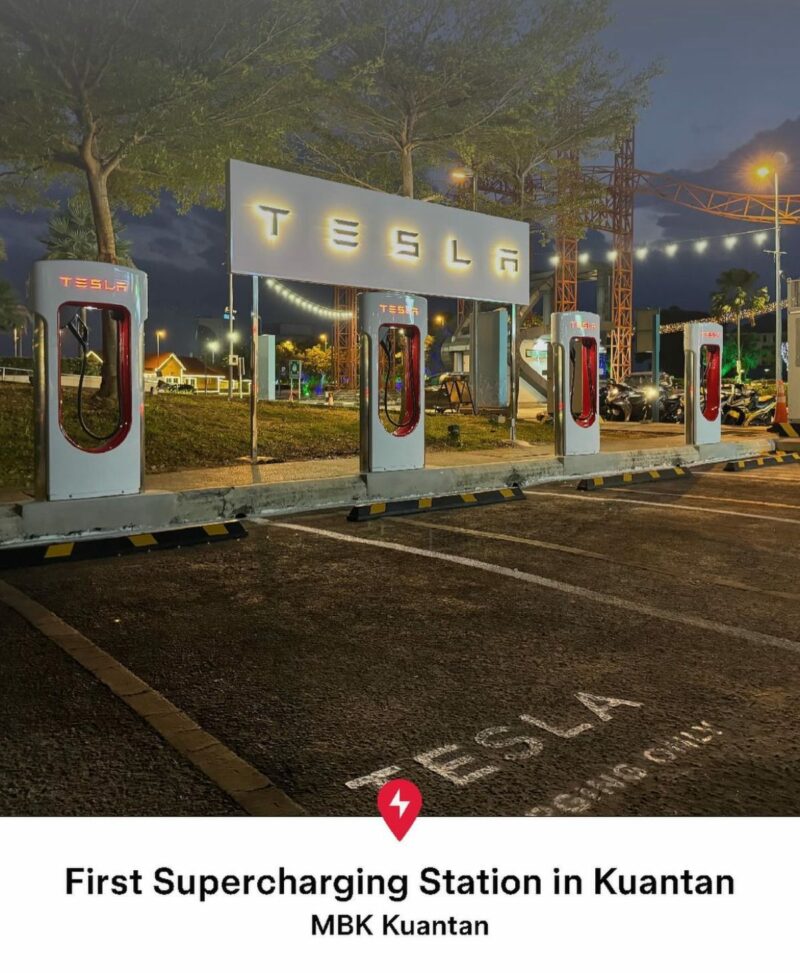
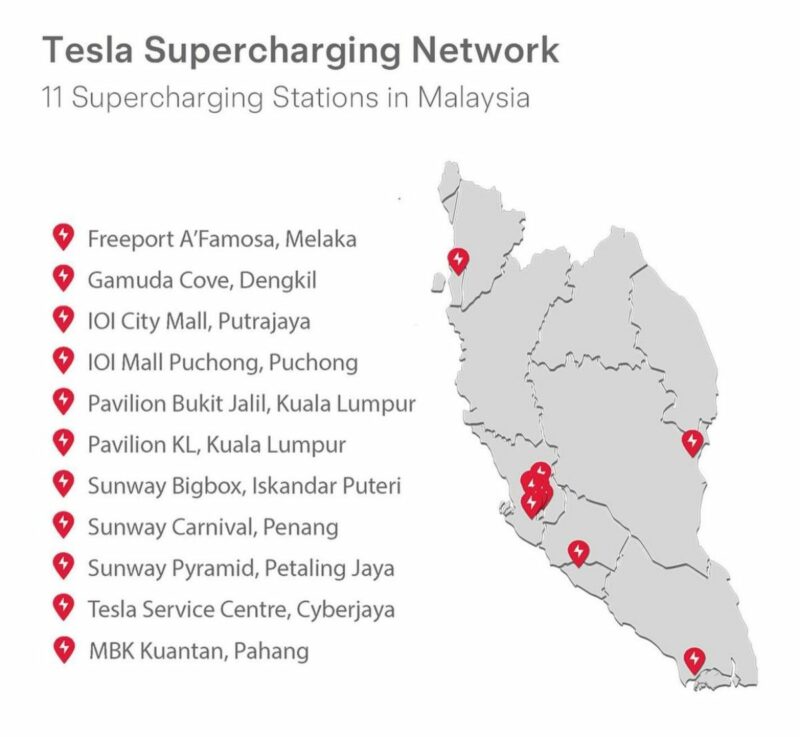
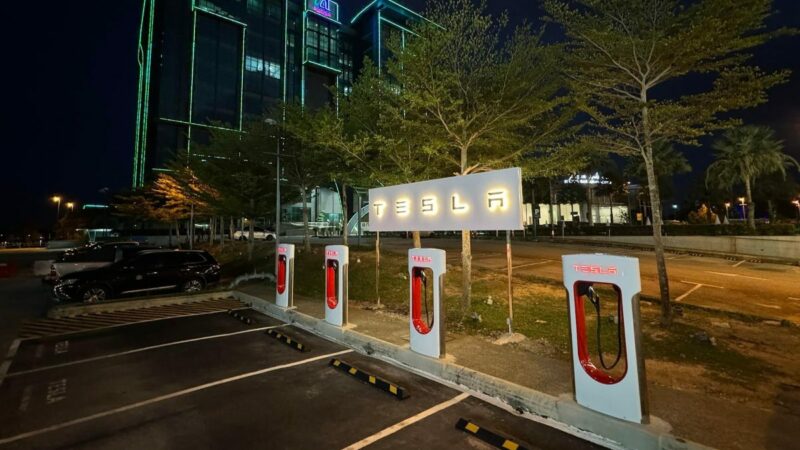
TESLA has opened and activated a Supercharger station in Kuantan, Pahang. Located on the premises of the Kuantan City Council (MBK), it is the first Tesla Supercharger on the east coast of Peninsular Malaysia.

According to Josh KY Chua, who shared some pictures on the Facebook’s Warga Kuantan page, the station can be used by the public 24 hours a day.

There are four charging bays at this location. Similar to other Supercharger stations throughout the country, the new station in Kuantan also has a charging rate of RM1.25 per kWh.

There is also an idle fee of RM4.00 per minute if the station is full.

Although Tesla has started rolling out Supercharger V4 networks in Malaysia, the MBK station, however, is equipped with Supercharger V3 technology.

The launch of this new Supercharger station aligns with the announcement made by Tesla’s Regional Director, Isabel Fan, in March, stating that the Kuantan Supercharger would be operational by the end of the second quarter of this year.

Other locations for the second quarter include the first Supercharger in Penang located in Prai.

Xpeng M03 is the first EV under the brand’s MONA series

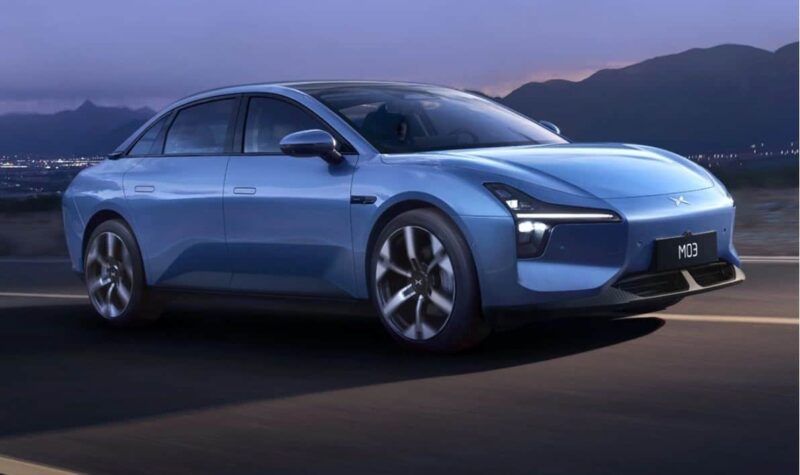
Xpeng, the Chinese EV brand that will soon enter the Malaysian market, has introduced its first model under the MONA series, the M03.

MONA is a series that stands for ‘Made Of New AI’ and it will reportedly focus on new technology and intelligent driving.

According to CarNewsChina, the M03 was developed by Xpeng in cooperation with Chinese ride-hailing firm Didi. Xpeng is responsible for the supply chain and manufacturing, while Didi is tasked to come up with the design and sales operation.

In a previous interview, Xpeng’s chairman, He Xiaopeng, indicated that the M03 will be built on the Fuyao platform. This means it will also come with the Xpeng Navigation Guided Pilot (XNGP) system and the X-EEA 3.0 electrical architecture.

The battery will be supplied by BYD, with a promised range of over 500 km based on the CLTC cycle.

Like the P7, the M03 will be assembled at Xpeng’s factory in Guangdong. It is expected to be officially introduced in June and will enter the market in the third quarter of this year at a price below 200,000 yuan (RM130,385).

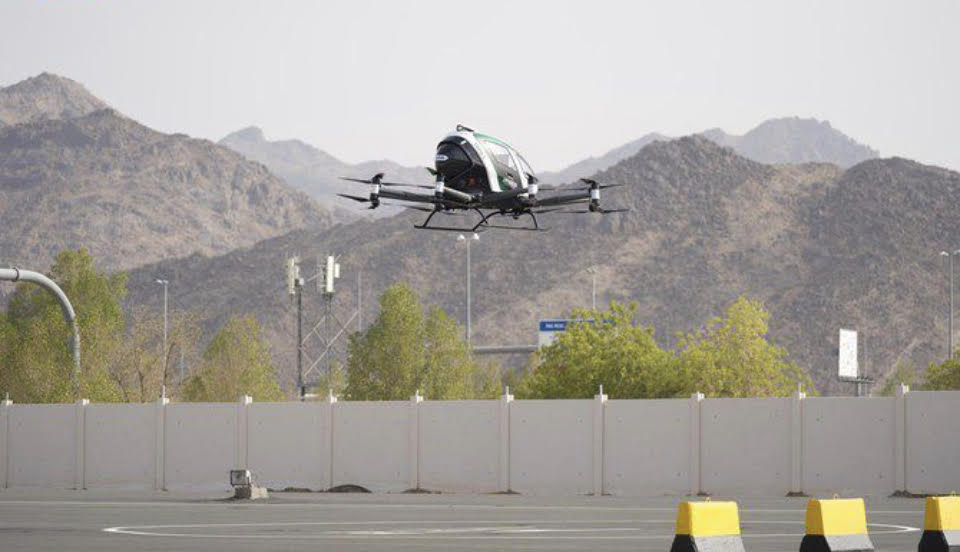
Saudi Arabia began testing the autonomous flying taxi for pilgrims

THE first-ever electric air taxi service in the world will begin testing for transporting pilgrims between the holy sites of Mina, Muzdalifah, and Arafah this year.

The launch was officiated by the Minister of Transport and Logistics and Chairman of the General Authority of Civil Aviation (GACA) Board of Directors Eng. Saleh Al-Jasser in Mecca.

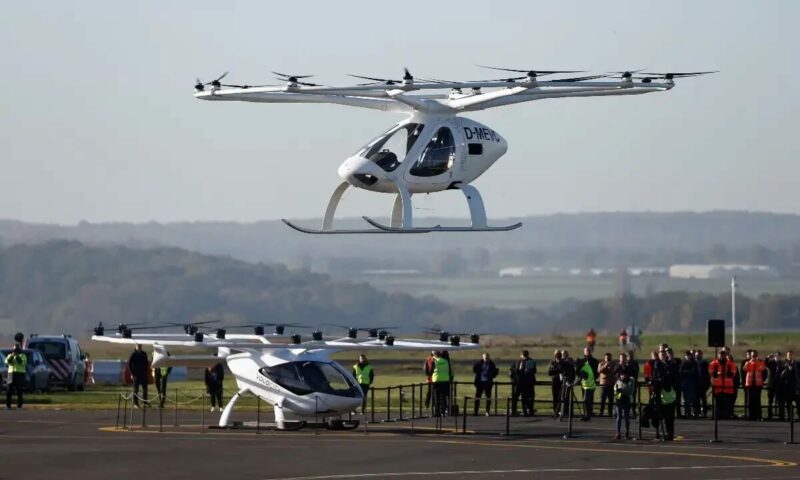
The air taxi is a small commercial aircraft that operates short flights on demand. It is said to be the first of its kind in the world and is licensed by GACA.

The pilotless aircraft will be utilized during this year’s Hajj season, particularly for emergency services, as well as transporting goods and medical supplies to the pilgrims.

Meanwhile, the Ministry of Transport and Logistics is also working on enhancing smart mobility initiatives and developing laws and regulations to enable the use of modern technology while providing an experimental environment to advance the adoption of various future transportation technologies.

Previously, Saudi Arabian Airlines (Saudia) unveiled plans to operate flying taxis in the future to transport Hajj pilgrims between King Abdulaziz International Airport in Jeddah and hotels in Mecca.

Saudia also intends to acquire around 100 aircraft for this service.

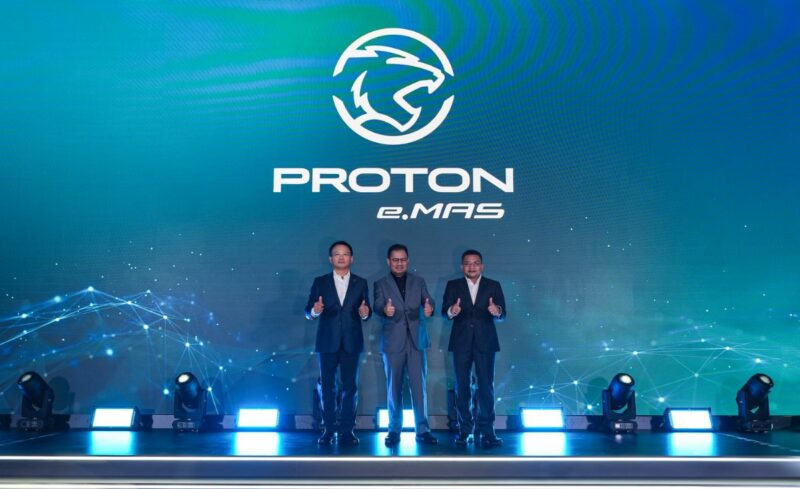
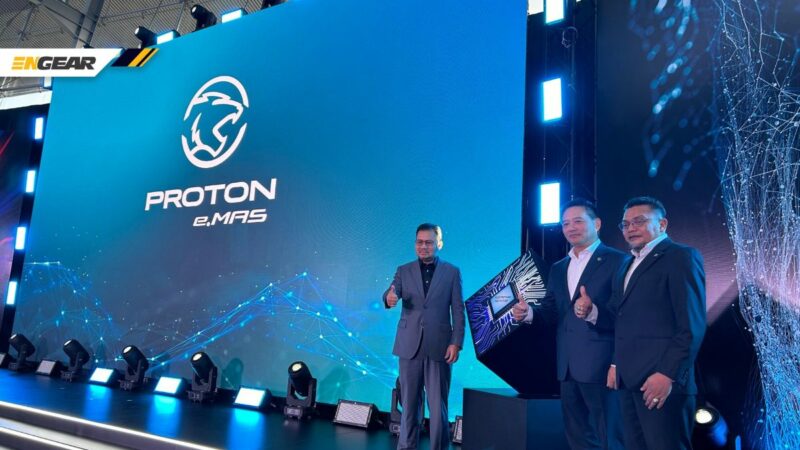
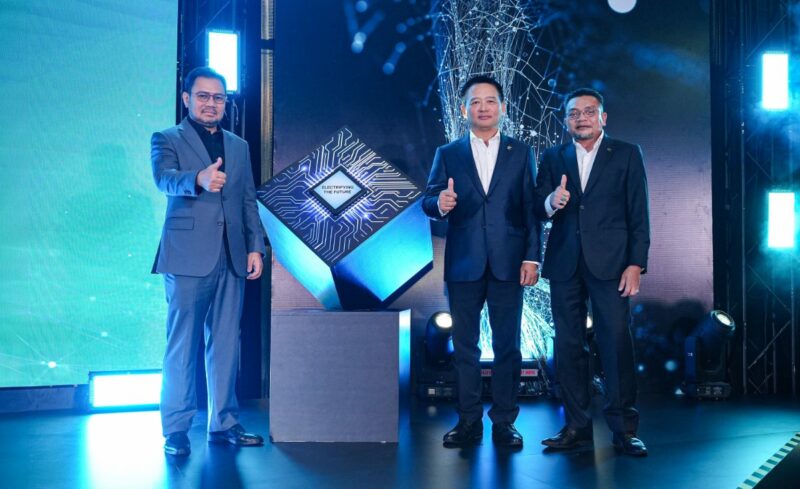
e.MAS: This is Proton’s EV sub-brand, first model to launch by end of 2024

PROTON today introduced e.MAS as a sub-brand of their fully electric (EV) models. Before we proceed further, the pronunciation of e.MAS is “imas”, with the letter ‘e’ connected to the word ‘mas’. It stands for Electrifying Malaysia.

Proton also unveiled the e.MAS logo, featuring the display of a tiger’s head without confinement. According to Proton, it aligns with the current design trend for EV brands that lean towards cleaner and less complicated graphics.

“The unveiling of the e.MAS brand and logo today marks a significant step forward in Proton’s journey towards launching our own EV model,” said Dr Li Chunrong, Chief Executive Officer, Proton.

“We are aware that as a company tied to the industrialisation of Malaysia, we have a responsibility to provide mobility solutions relevant and within reach of all Malaysians.

“This is why Proton has been deliberate in its approach towards EVs, developing our knowledge base step by step to ensure we have a thorough understanding of the products, technology and user concerns before sales even begin,” he added.

Also announced at this event is the appointment of the first 17 Proton EV dealers who have signed their agreements earlier today.

“As Malaysia’s first automotive brand it is important for Proton to invest in infrastructure to offer a full range of services to EV buyers, instead of just selling product.

“Therefore, when Proton e.MAS models go on sale, customers can be reassured their every need will be taken care of just like it would be for buyers of the current Proton range,” added Dr Li Chunrong.

Proton also shared with the media practitioners that when the cooperation with Geely began in 2017, plans were made to introduce Proton EV models.

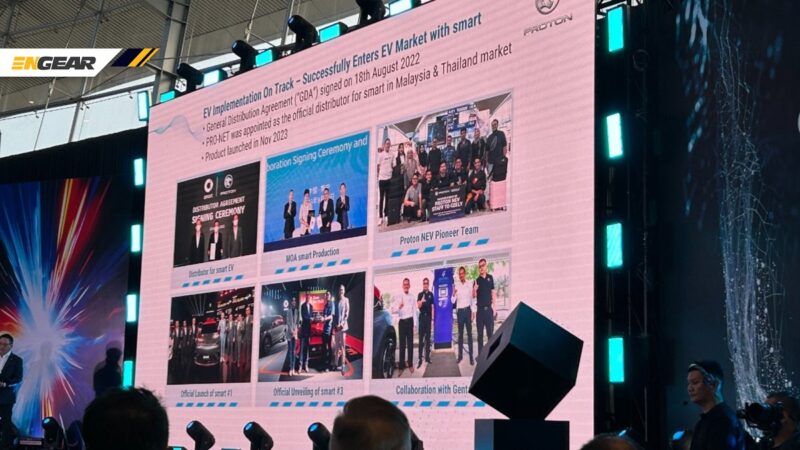
Despite delays during the pandemic, activities resumed with the signing of a Memorandum of Agreement (MOA) between Proton and smart on January 19, 2022.

This was followed by the signing of the General Distribution Agreement (GDA) between the two parties on August 18, and the establishment of PRO-NET on September 9 to oversee sales and distribution of smart vehicles and future EV offerings from Proton.

The next step was to sign a Memorandum of Understanding (MOU) with Gentari in October to collaborate on establishing charging infrastructure.

This was followed by sending 16 engineers to China in December 2022 for On-Job Training (OJT) in EVs and related fields such as charging and servicing.

In 2023, Proton appointed dealers for smart and recruited staff from various industries to strengthen the workforce to manage the brand.

Commenting on the new EV brand, Dr. Li Chunrong added, “The e.MAS brand and its products are an extension of Proton’s three core values: innovative technology, reliability, and international standards. This is the next step in the company’s evolution, and in the coming months, we will make new announcements to build brand recognition and product promotion ahead of the launch of the first Proton e.MAS EV in December this year.”